2026-06-08
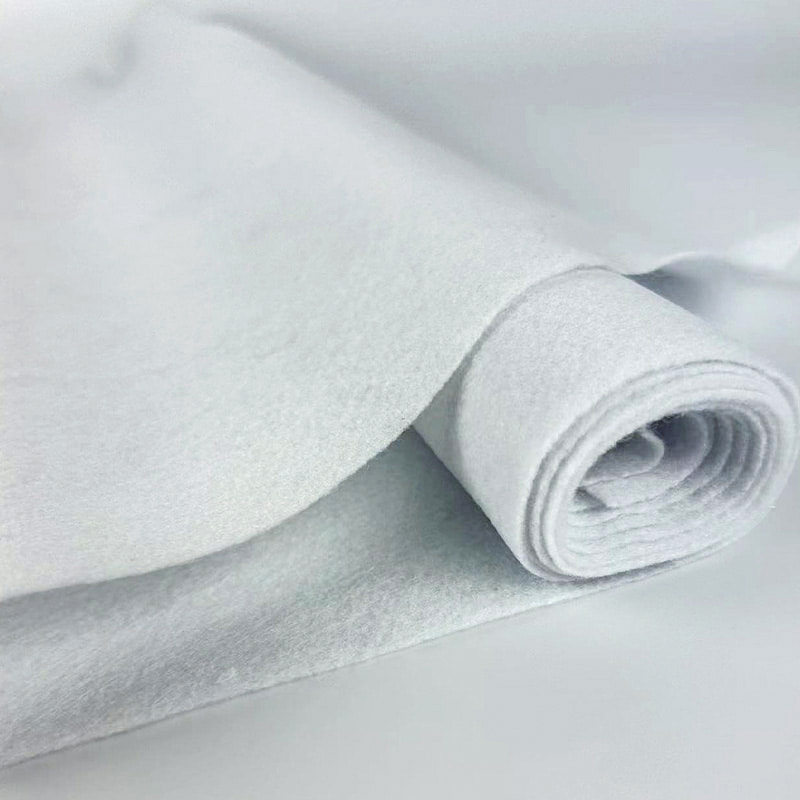
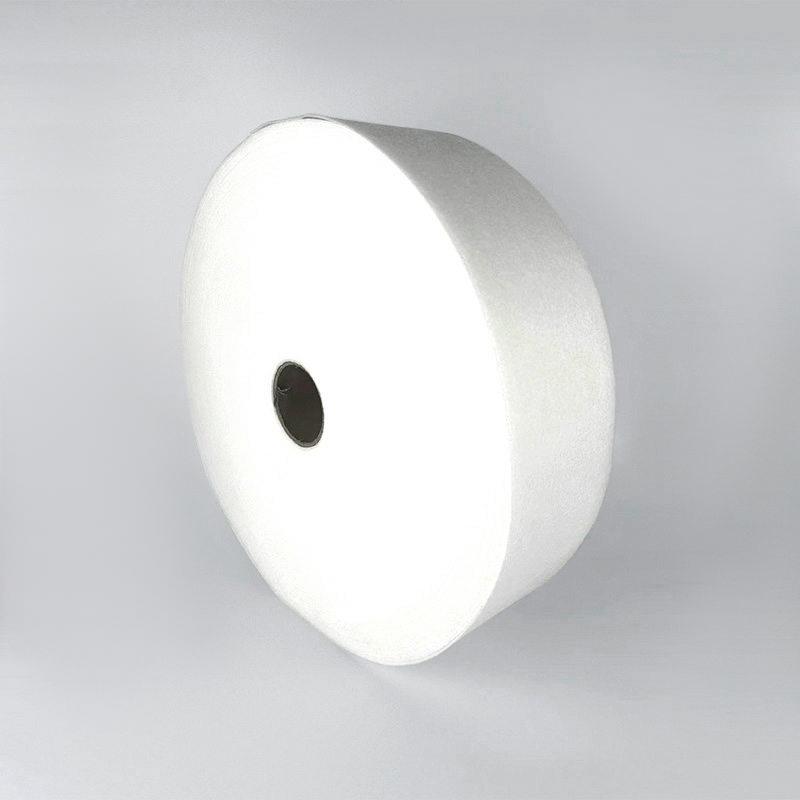
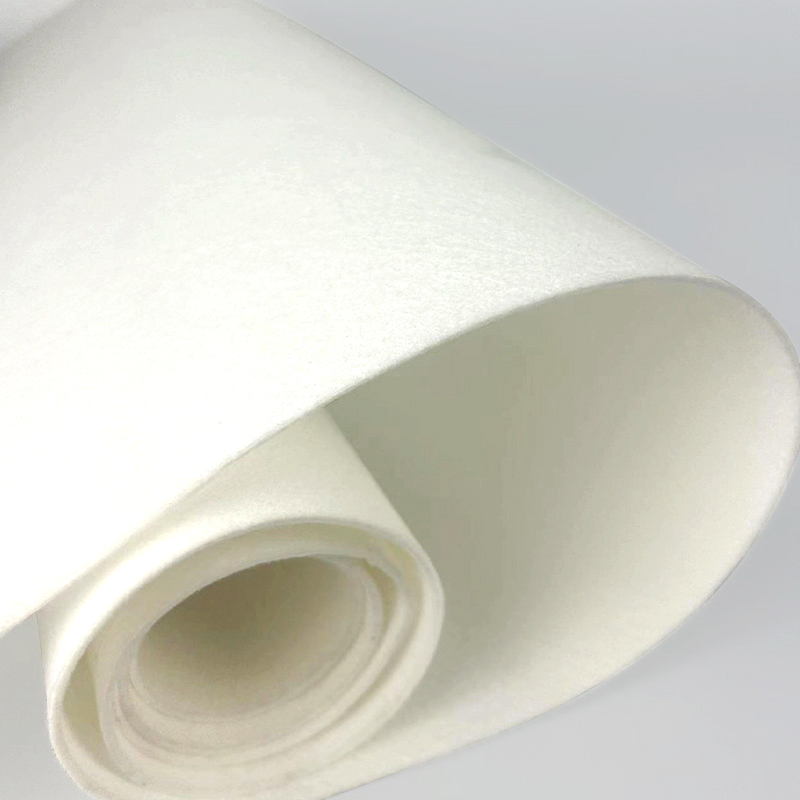
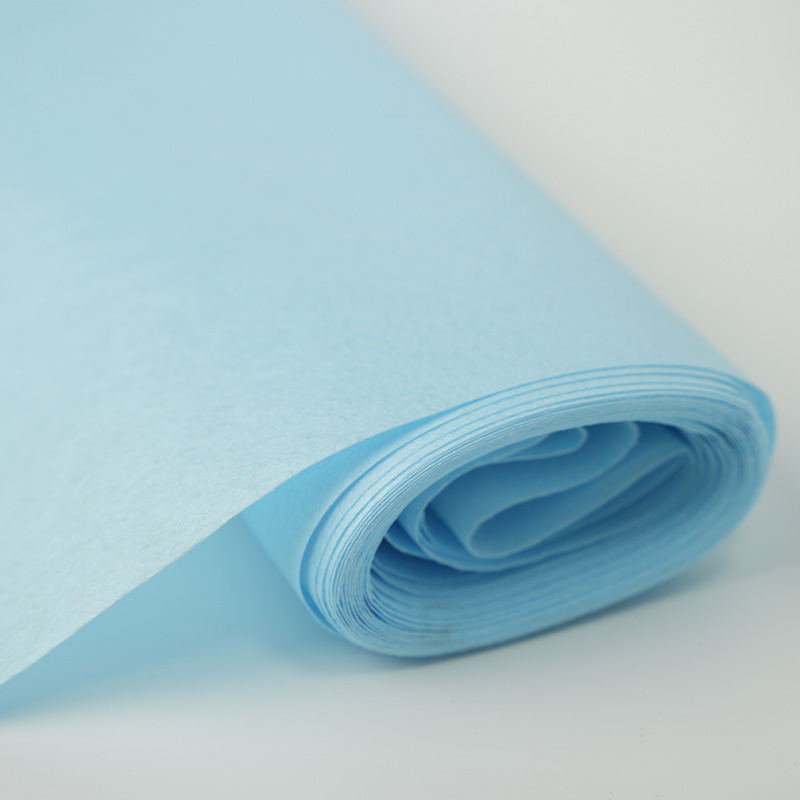
Needle punched nonwoven fabrics represent a highly versatile and essential textile category, defined by their unique mechanical bonding process rather than chemical or thermal adhesives. Through the physical entanglement of fibers via barbed needles, these fabrics achieve exceptional structural integrity, porosity, and durability without compromising the inherent properties of the raw materials. This manufacturing approach makes them indispensable across a vast array of industries, from automotive insulation and geotextile stabilization to filtration and medical hygiene, where mechanical strength and environmental resilience are paramount.
The production of needle punched nonwoven fabrics is a purely mechanical process that transforms loose fibers into a cohesive, durable web. Unlike woven fabrics that rely on yarn interlacing, or other nonwovens that depend on chemical binders, needle punching leverages physical force to create the fabric structure.
The process begins with the selection and preparation of raw fibers, which can range from natural materials like cotton or wool to synthetic polymers such as polyester, polypropylene, or aramid fibers. These fibers are opened, blended, and carded to align them into a continuous, uniform batt. This web formation is critical, as the initial fiber distribution directly influences the final fabric's isotropic properties and overall strength. The web is then layered to achieve the desired baseline weight before the mechanical bonding commences.
The core of the process involves a needle loom equipped with thousands of specialized barbed needles. As the fiber web passes through the loom, the needles punch through the material at high speeds. The barbs on the needles catch individual fibers and push them vertically through the web. When the needles retract, the pushed fibers remain entangled with the horizontal fibers in the web. This vertical entanglement creates a frictional bond that holds the fabric together. The density of the needle punches per unit area directly controls the fabric's thickness, density, and tensile strength. By adjusting the penetration depth and the stroke frequency, manufacturers can engineer fabrics ranging from highly dense, rigid panels to loose, highly permeable mats.
The mechanical entanglement process imparts a distinct set of structural characteristics to needle punched nonwoven fabrics, making them suitable for demanding technical applications.
Because the fibers are entangled in a three-dimensional matrix rather than being strictly oriented in warp and weft directions, needle punched fabrics exhibit a high degree of isotropy—meaning they possess similar strength properties in all directions. This multidirectional strength is crucial in applications like geotextiles or roofing substrates, where stress is applied unpredictably. The lack of a distinct grain direction prevents the fabric from tearing easily along a specific axis, providing robust dimensional stability under load.
The void volume within a needle punched fabric can be precisely controlled during the manufacturing process. The degree of needling determines how tightly the fibers are compacted, which in turn dictates the size and distribution of pores within the structure. This makes the fabric inherently porous, allowing fluids and gases to pass through while retaining solid particulates. This characteristic is the foundational reason why these fabrics are so prevalent in liquid and air filtration systems, as well as in drainage applications where water flow must be maintained while preventing soil migration.
Needle punched fabrics maintain their thickness and structural integrity under compressive forces. The three-dimensional fiber network acts like a spring, absorbing pressure and recovering its shape when the force is removed. This exceptional resilience makes the material an ideal choice for automotive carpet underlays, acoustic insulation panels, and cushioning applications.
The adaptability of needle punched nonwoven fabrics allows them to be engineered for highly specific technical roles. Their utility spans across multiple major industries.
In civil engineering, these fabrics serve critical functions in soil stabilization, erosion control, and drainage systems. When placed between different soil layers, a needle punched geotextile allows water to pass through while preventing the mixing of fine and coarse soil particles. This separation maintains the structural integrity of roadways, embankments, and retaining walls. Their high puncture resistance also protects waterproofing membranes in landfill and tunnel constructions.
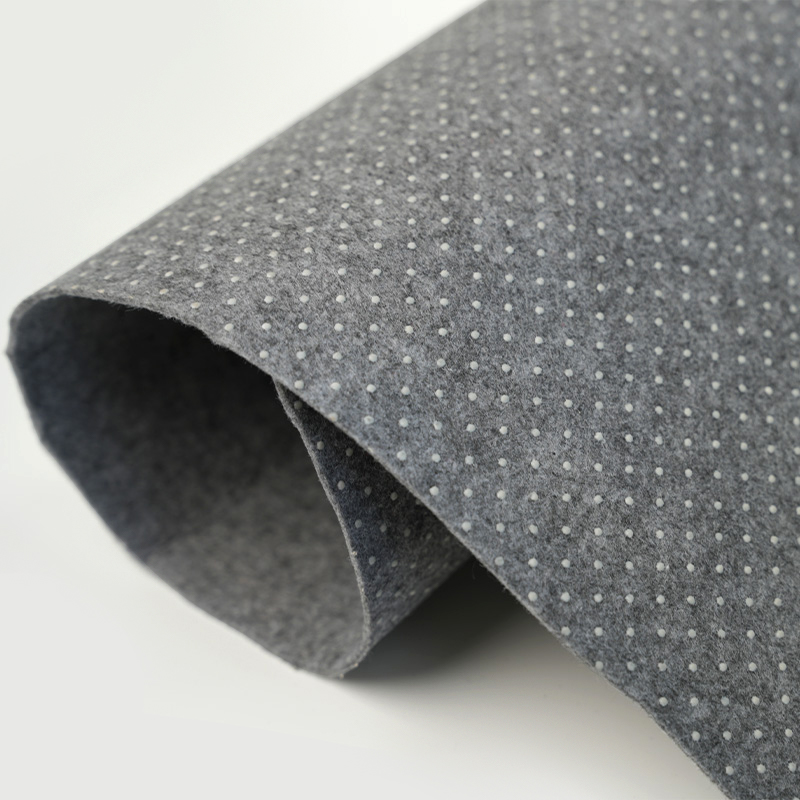
The automotive sector relies heavily on needle punched nonwovens for both functional and aesthetic purposes. They are widely utilized as trunk liners, dashboard insulation, headliners, and carpet backing. In these applications, the fabric must withstand temperature fluctuations, resist mold and mildew, and absorb vibration. Furthermore, needle punched materials contribute significantly to acoustic damping, reducing road noise and improving cabin comfort without adding excessive weight to the vehicle.
The inherent pore structure of needle punched fabrics makes them exceptional filter media. In dry filtration, they capture dust and particulate matter in industrial dust collection systems. In wet filtration, they are used in swimming pool filters, industrial wastewater treatment, and cartridge filters. The depth filtration capability allows particles to be trapped throughout the cross-section of the fabric rather than just on the surface, significantly increasing the dust-holding capacity and extending the service life of the filter.
The performance of a needle punched fabric is largely dictated by its fiber composition. Different polymers and natural fibers impart distinct properties, allowing for highly specialized end-uses.
| Fiber Type | Key Characteristics | Primary Application Focus |
|---|---|---|
| Polypropylene | High chemical resistance, hydrophobic, lightweight | Geotextiles, liquid filtration, oil absorption |
| Polyester | High tensile strength, elastic recovery, durability | Automotive interiors, roofing substrates, apparel interlining |
| Aramid | Extreme heat resistance, high cut resistance | Thermal insulation, protective apparel, aerospace |
| Natural (Cotton/Wool/Jute) | Biodegradable, moisture absorbent, sustainable | Erosion control, acoustic panels, horticulture |
Blending different fibers is a common strategy to combine the best attributes of each material. For example, a blend of polyester and polypropylene might be used to achieve the strength of polyester alongside the chemical resistance of polypropylene, resulting in a highly durable, multi-purpose fabric.
Understanding why industries choose needle punched nonwovens over woven knits or chemically bonded nonwovens requires an examination of their distinct advantages.
Despite their extensive benefits, needle punched nonwoven fabrics are not universally suitable. It is crucial to understand their limitations to ensure proper application.
While needle punched fabrics possess excellent multidirectional strength, their absolute tensile strength remains lower than that of tightly woven textiles of the same weight. In applications where extreme unidirectional tension is applied, such as heavy lifting slings or heavy-duty tarps, woven alternatives are typically required. However, for the vast majority of stabilization and filtration applications, the tensile properties of needle punched nonwovens are more than sufficient.
The mechanical entanglement process inherently creates a slightly fuzzy or textured surface. While this texture is advantageous for applications requiring friction or a specific aesthetic, it is unsuitable for applications demanding a smooth, continuous surface finish unless the fabric undergoes secondary finishing processes like calendering or coating. These additional steps can add to the manufacturing complexity and cost.
In loosely needled fabrics, especially those subjected to continuous abrasive forces, individual fibers can migrate or shed from the surface over time. This fiber migration can be mitigated by increasing the needling density or by incorporating a thermal bonding step for thermoplastic fibers to lock the fibers in place. Engineers must carefully balance the need for softness and porosity with the requirement for surface integrity.
The field of needle punched nonwovens continues to evolve, driven by sustainability goals and the demand for advanced technical performance.
There is a significant shift toward replacing traditional synthetic fibers with recycled and bio-based alternatives. Recycled polyester from plastic bottles is now widely used in automotive and geotextile applications, drastically reducing the carbon footprint of the final product. Furthermore, the development of polylactic acid and other biodegradable polymers is enabling the creation of fully compostable needle punched fabrics for use in agriculture and horticulture, where the fabric can safely degrade in the soil after its useful life.
Advancements in fiber engineering are allowing needle punched fabrics to move beyond passive roles. By incorporating conductive fibers or microencapsulated phase change materials, these fabrics are being transformed into smart textiles. Potential applications include electromagnetic interference shielding, thermal regulation in protective clothing, and structural health monitoring in composite materials. The ability to integrate these functions directly into the fiber matrix during the needling process represents a major leap forward for the industry.
To ensure consistency and reliability in demanding applications, needle punched nonwoven fabrics undergo rigorous testing protocols. Understanding these parameters is essential for engineers and designers specifying these materials.
Strict adherence to these testing standards ensures that the needle punched nonwoven fabric will perform as expected in its designated environment, preventing premature failure and ensuring the longevity of the final product structure.

Enterprise tenet: service-based, quality for survival, science and technology for development
 +86-15151778356
 No. 121 Huangnilou, Yangqiao Village, Zhitang Town, Changshu City, Jiangsu Province, China
Copyright © Changshu Mingyun Hongshun Non woven Products Co., Ltd. All Rights Reserved. Custom OEM/ODM Environmental Nonwoven Fabrics Products Manufacturers


 English
 中文简体
中文简体 русский