2026-06-01
The most reliable non-woven fabrics suppliers are defined by three core strengths: stable product quality, complete production capacity, and standardized after-sales service. For buyers, prioritizing suppliers with independent production lines, complete quality certification systems, and customized service capabilities is the most efficient choice. High-quality suppliers can not only meet conventional order demands but also provide professional support for material selection, process optimization, and delivery coordination, reducing procurement risks and operational costs for downstream enterprises.
In the global non-woven fabric supply chain, qualified suppliers maintain a 98%+ on-time delivery rate and a defective rate controlled below 1%, which are key indicators for evaluating supplier strength. When establishing cooperative relations, buyers should focus on comprehensive strength rather than price alone, as stable supply capacity and quality assurance create long-term value for industrial chain collaboration.
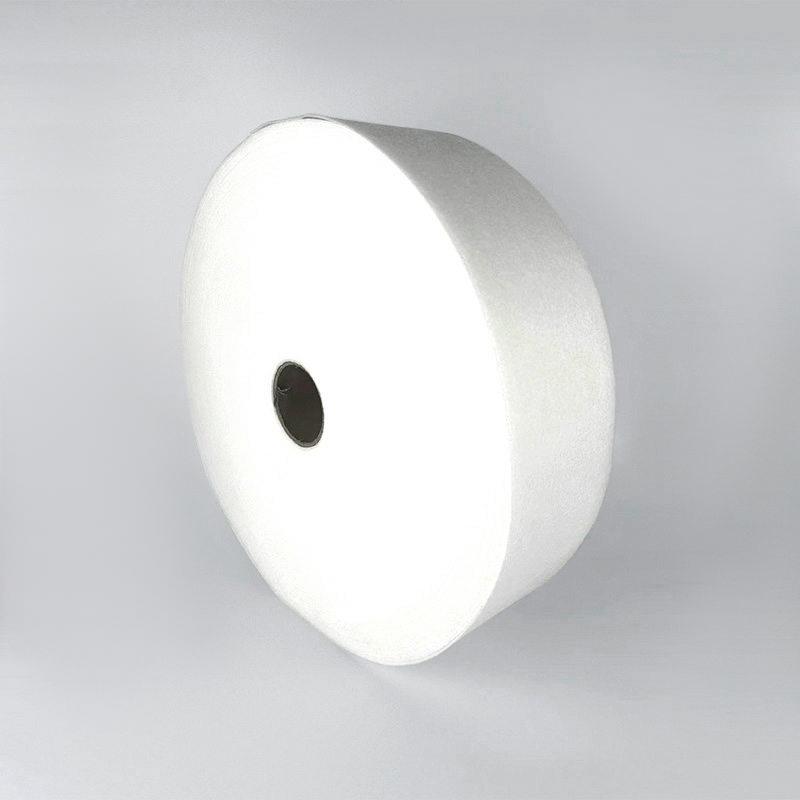
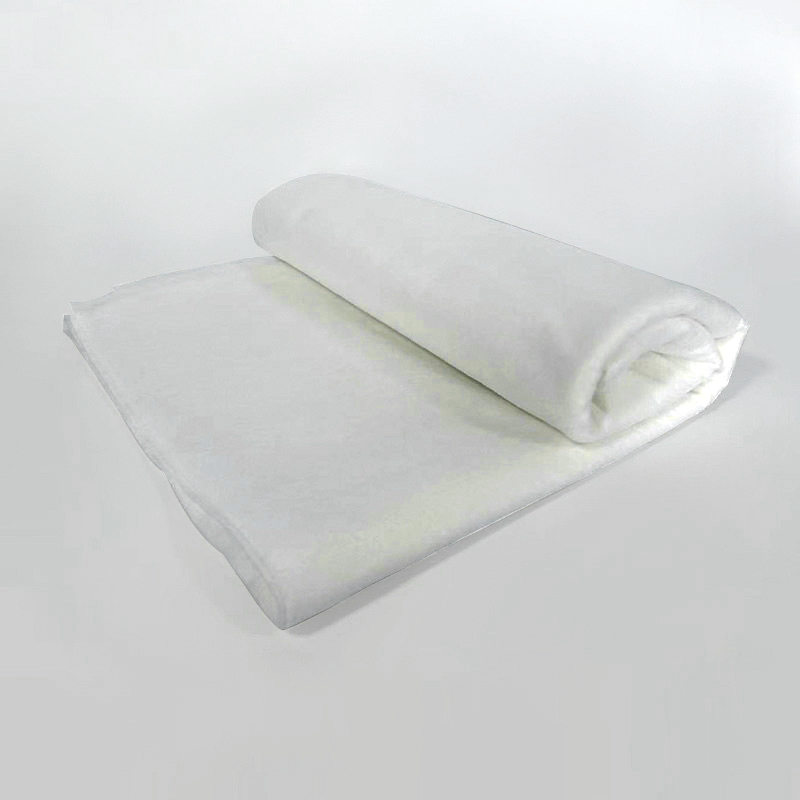
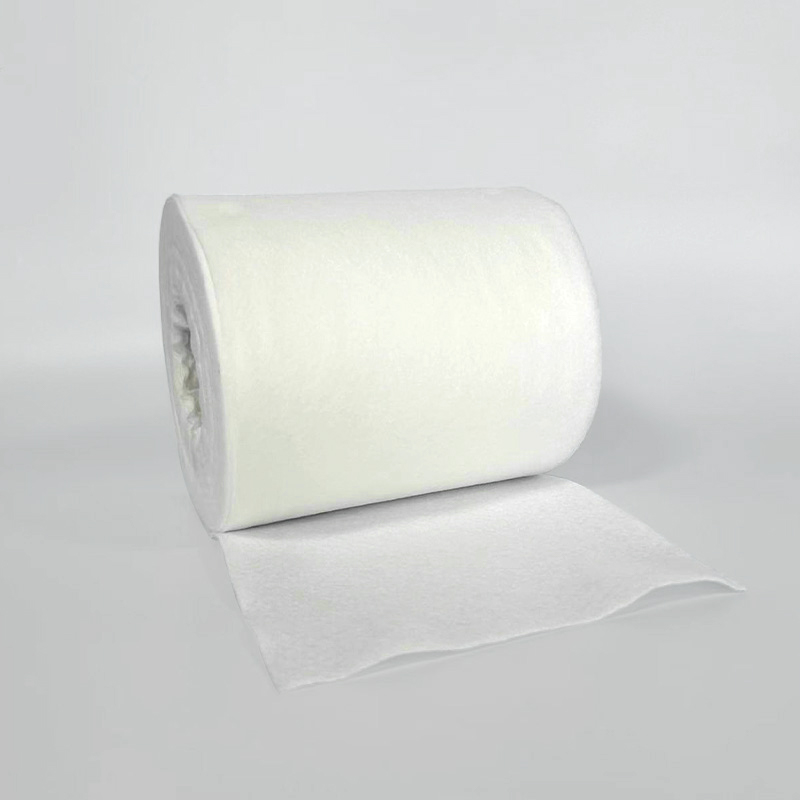
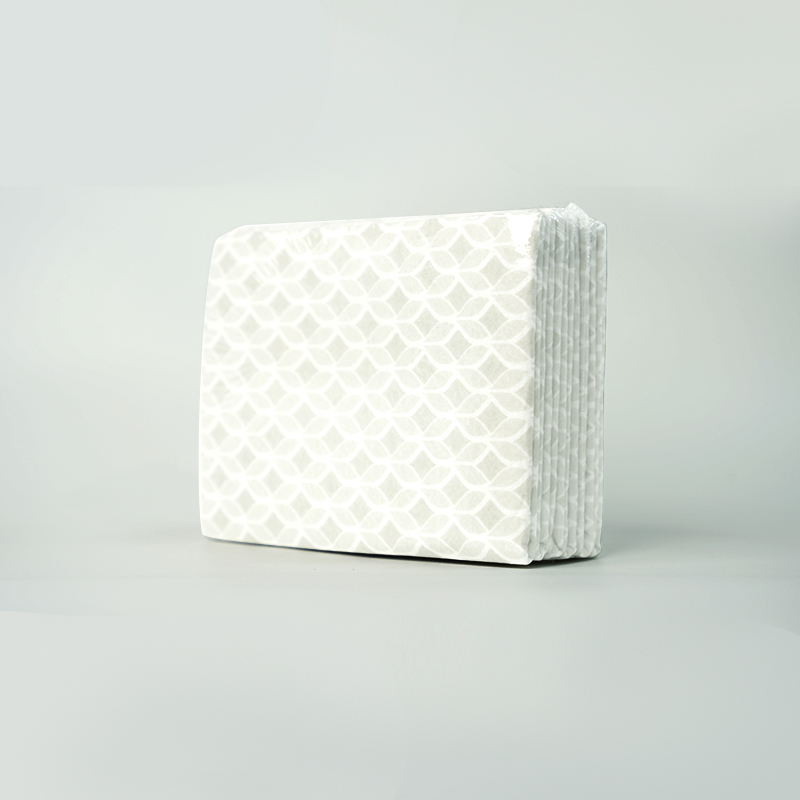
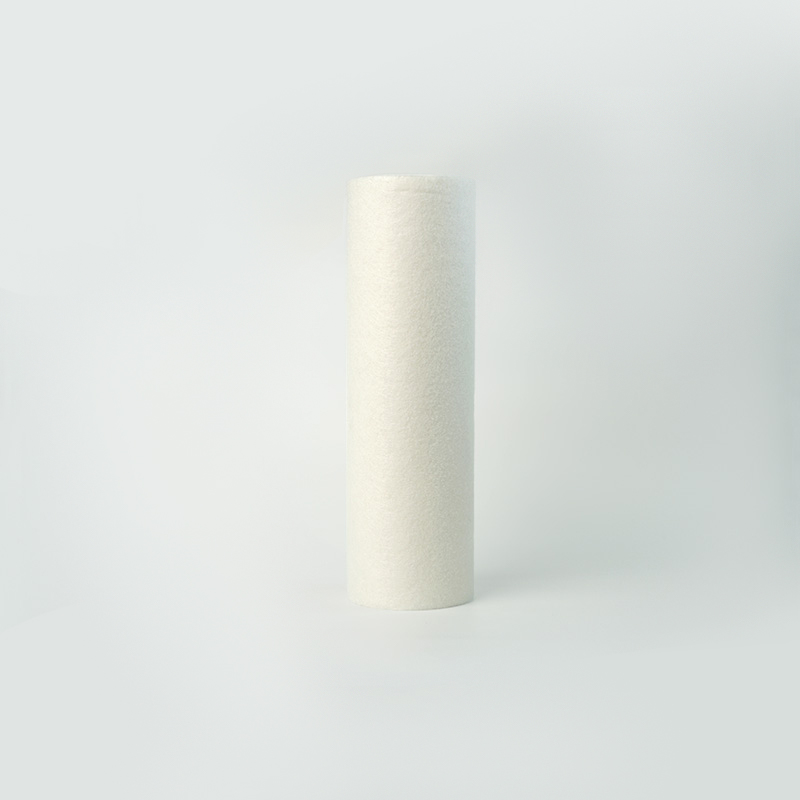
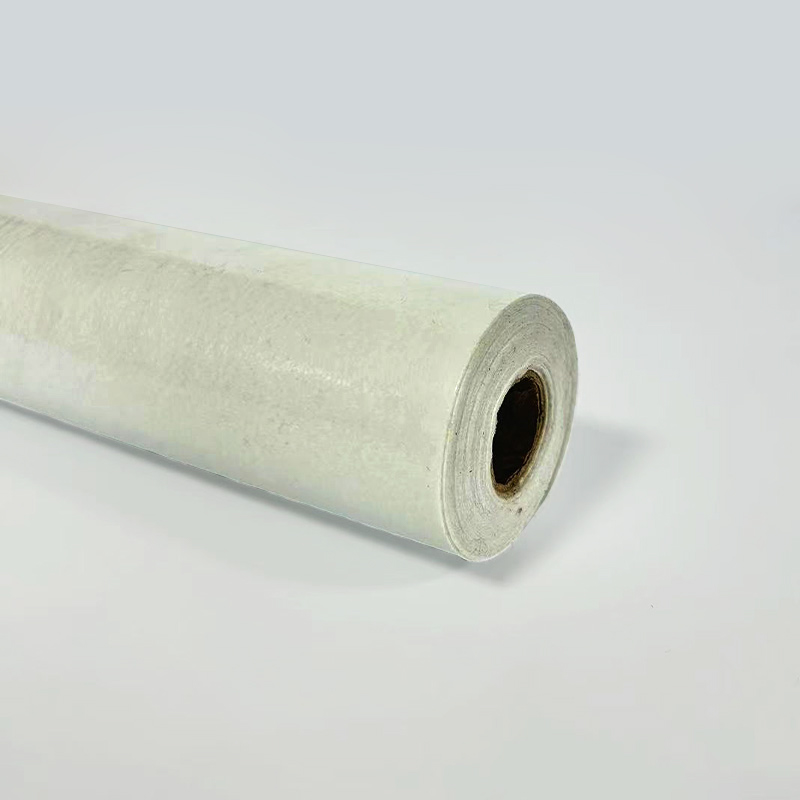
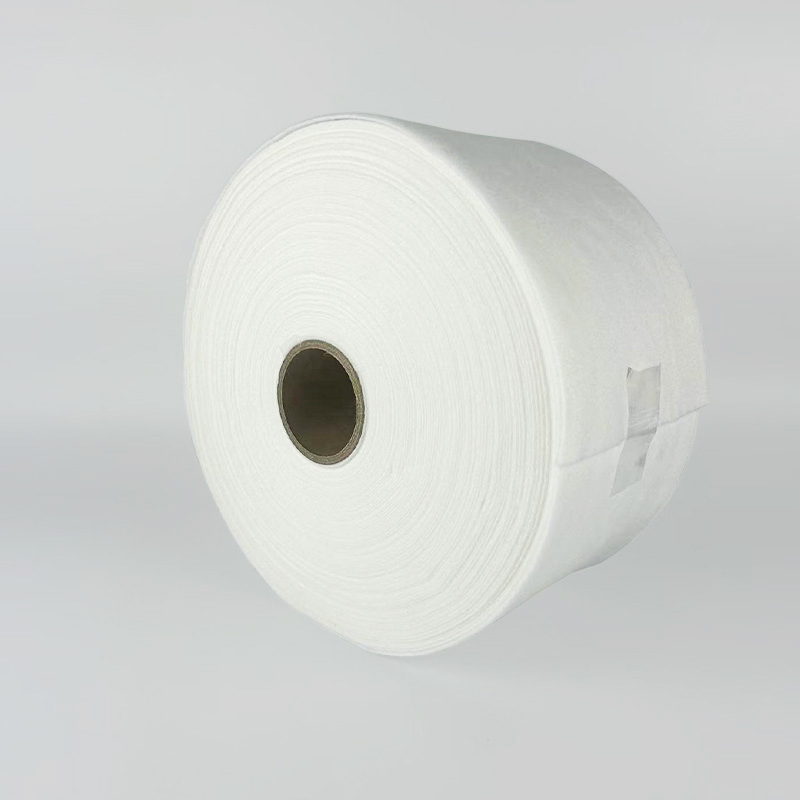
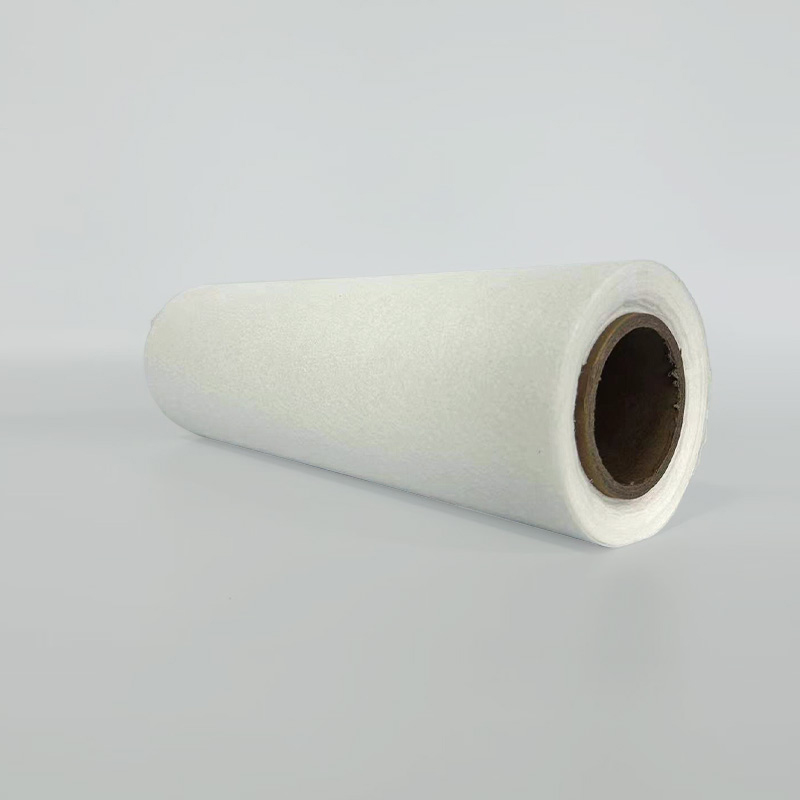
Standard non-woven fabrics suppliers cover a full range of product categories to meet the application needs of medical, hygiene, construction, agriculture, packaging and other industries. The diversity of product lines directly reflects the production and R&D strength of suppliers.
Spunbond non-woven fabrics are the most mainstream products supplied by suppliers, featuring high tensile strength, good air permeability and low production cost. They are widely used in shopping bags, agricultural covering cloth, and industrial packaging. Mature suppliers can adjust gram weight, width and color according to customer needs, with a customization success rate of over 95%.
As a high-value-added product, meltblown non-woven fabrics have excellent filtration performance and are mainly used in medical masks, protective clothing and air filtration materials. Reliable suppliers have professional production workshops and quality testing equipment to ensure that the product filtration efficiency meets international industry standards.
High-end suppliers provide composite non-woven fabrics with waterproof, anti-ultraviolet, flame retardant, antibacterial and other functions. These products are applied in medical hygiene, automotive interior and construction fields. The R&D capacity of functional products is an important symbol to distinguish ordinary suppliers from high-end suppliers.
Production capacity is the core foundation for evaluating non-woven fabrics suppliers, which directly determines whether large orders and urgent orders can be completed on time. Professional suppliers have complete production equipment, standardized workshops and efficient management systems to ensure stable output.
Mid-sized suppliers have a daily output of more than 30 tons, while large-scale integrated suppliers can reach 100 tons+ per day. For bulk procurement enterprises, choosing suppliers with high output can avoid delivery delays caused by insufficient capacity. In peak demand seasons, high-capacity suppliers can also allocate production lines rationally to ensure order delivery.
Formal non-woven fabrics suppliers are equipped with independent production lines for spunbond, meltblown and other processes, and have automated control systems to reduce manual errors. Suppliers with more than 5 production lines can simultaneously meet the customized needs of multiple customers, improving order processing efficiency.
| Supplier Level | Daily Output | Production Lines | Service Scope |
|---|---|---|---|
| Small Supplier | Below 20 tons | 1-2 lines | Local market |
| Medium Supplier | 30-80 tons | 3-5 lines | National market |
| Large Supplier | 100 tons+ | 6+ lines | Global market |
Quality is the lifeline of non-woven fabrics suppliers. Reliable suppliers establish a full-process quality control system from raw material procurement to finished product delivery, which is a key factor to ensure product consistency and stability.
High-standard suppliers conduct strict testing on polymer raw materials before production, including melting index, purity and color difference. Only raw materials that meet internal standards can enter the production link, which fundamentally avoids quality problems caused by unqualified raw materials. More than 90% of high-quality suppliers have long-term cooperative raw material suppliers to ensure raw material stability.
Automated online monitoring equipment is used in the production process to detect gram weight, thickness, width and strength in real time. Professional suppliers set up special quality inspection posts to conduct random inspections at key production nodes, and adjust production parameters in time when abnormalities are found to reduce defective products.
Before delivery, finished products need to pass physical performance, chemical safety and environmental protection tests. Qualified non-woven fabrics suppliers usually hold international certifications such as ISO, biocompatibility certification for medical products, and food-grade testing for packaging products. These certifications are important proof of supplier quality management capabilities.
In the competitive non-woven fabric market, customized service has become a core advantage of high-quality suppliers. Unlike standardized product suppliers, customized suppliers can design exclusive products according to customer application scenarios, performance requirements and usage environments.
Suppliers can adjust raw material ratios, production processes and processing methods to develop products with specific functions such as high elasticity, high filtration, waterproof and oil-proof. For example, non-woven fabrics for medical surgery need to have antistatic and bacterial barrier properties, and professional suppliers can achieve this through process optimization.
Buyers often have personalized needs for product width, length, gram weight and color. High-quality non-woven fabrics suppliers support flexible customization of various specifications, with a minimum order quantity suitable for small and medium-sized enterprises. The customized delivery cycle is usually controlled within 7-15 days, meeting the rapid launch needs of new products.
Top suppliers provide not only products but also full-chain technical support. They can help customers select appropriate materials, optimize product design, reduce production costs, and provide after-sales technical guidance. This one-stop service model enhances the stickiness of cooperative relations and helps customers improve product competitiveness.
Establishing a standardized cooperation process and doing a good job in risk prevention can effectively avoid disputes and losses in the procurement process. Both buyers and suppliers need to clarify responsibilities and rights in each link to form a stable cooperative relationship.
The main risks in cooperation include delayed delivery, unqualified product quality, and inconsistent specifications. Buyers can set clear penalty clauses in the contract, require suppliers to provide production progress reports regularly, and arrange third-party inspections for large orders. Choosing suppliers with a good industry reputation of more than 3 years can greatly reduce cooperation risks.
In terms of payment, it is recommended to adopt a phased payment method, such as a small proportion of advance payment, full payment after delivery acceptance, to protect their own funds safety. For long-term cooperative suppliers, a good credit system can be established to appropriately optimize payment terms and achieve mutual benefit.
Long-term stable cooperation with non-woven fabrics suppliers creates greater value than short-term transactions. Both parties can reduce communication costs, optimize supply efficiency, and jointly respond to market changes and industrial upgrades.
Long-term partners can enjoy priority supply, discounted prices and customized service support. Suppliers will also give priority to meeting the order needs of old customers, especially in the case of tight market supply. Data shows that enterprises with long-term cooperation can reduce comprehensive procurement costs by 10%-20% compared with frequent replacement of suppliers.
Stable cooperative relations help both parties carry out joint research and development. Suppliers provide material technology support, and buyers provide market demand information, jointly developing new products and new processes to adapt to industry development trends. This model is common in medical hygiene, new energy and other high-growth industries.
In the context of global economic fluctuations, long-term cooperative suppliers can help buyers cope with supply chain risks such as raw material price increases and transportation delays. Both parties establish contingency plans to ensure the continuity of production and operation, which is crucial for the sustainable development of enterprises.
To sum up, the ideal non-woven fabrics suppliers must meet five core standards: complete product categories, strong production capacity, strict quality control, perfect customized services, and standardized cooperation management. Buyers should comprehensively evaluate suppliers based on their own procurement needs, order scale, and application scenarios, rather than making decisions based solely on price factors.
High-quality non-woven fabrics suppliers are not only product providers but also long-term partners of downstream enterprises. By establishing stable cooperative relations, both parties can achieve win-win development in the increasingly fierce market competition, promote the upgrading of the non-woven fabric industry chain, and create greater commercial value.

Enterprise tenet: service-based, quality for survival, science and technology for development
 +86-15151778356
 No. 121 Huangnilou, Yangqiao Village, Zhitang Town, Changshu City, Jiangsu Province, China
Copyright © Changshu Mingyun Hongshun Non woven Products Co., Ltd. All Rights Reserved. Custom OEM/ODM Environmental Nonwoven Fabrics Products Manufacturers


 English
 中文简体
中文简体 русский