2026-06-15
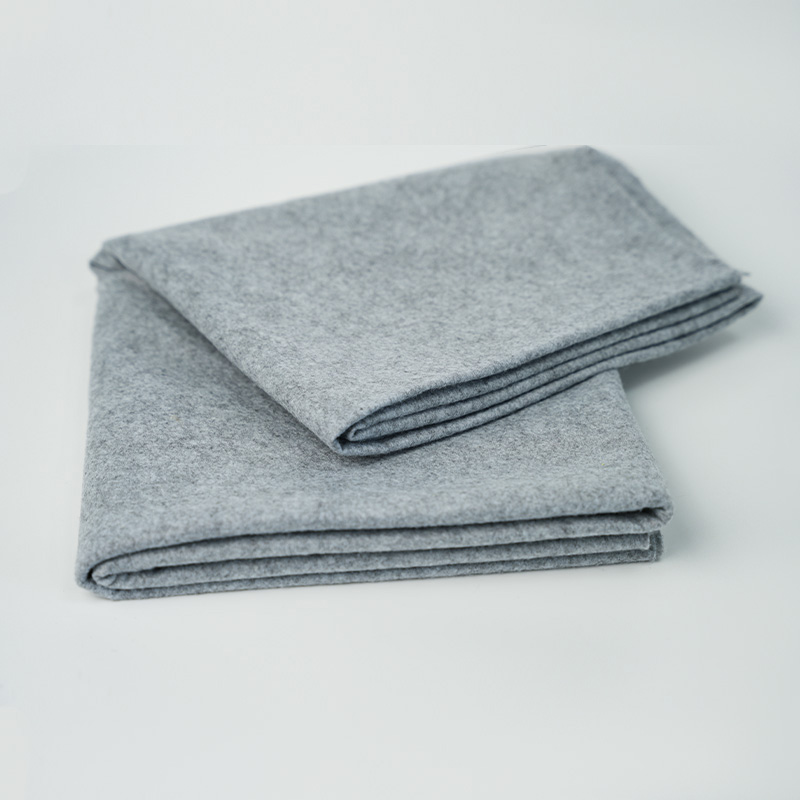
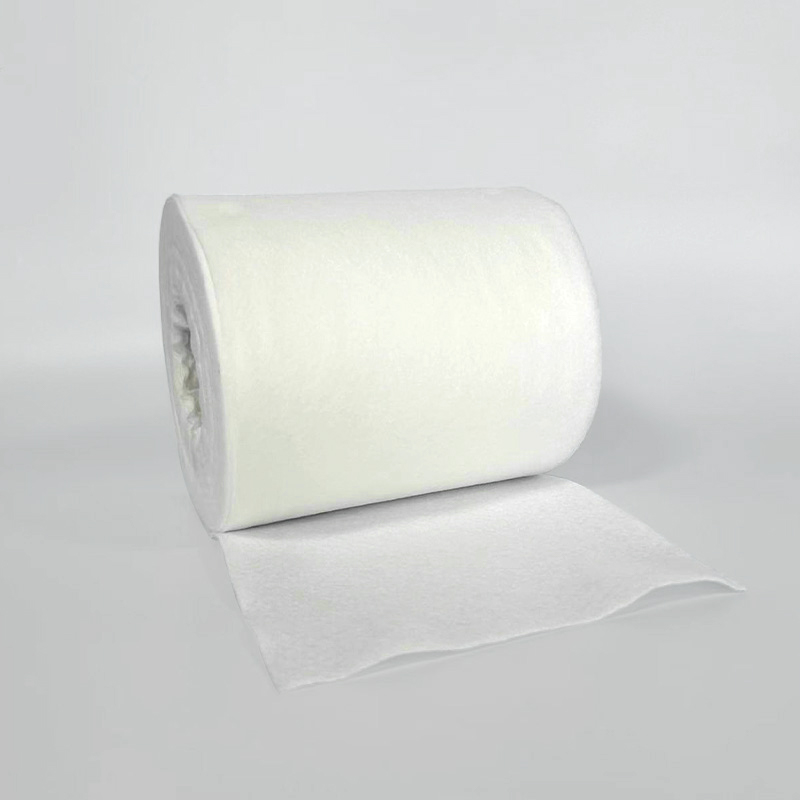
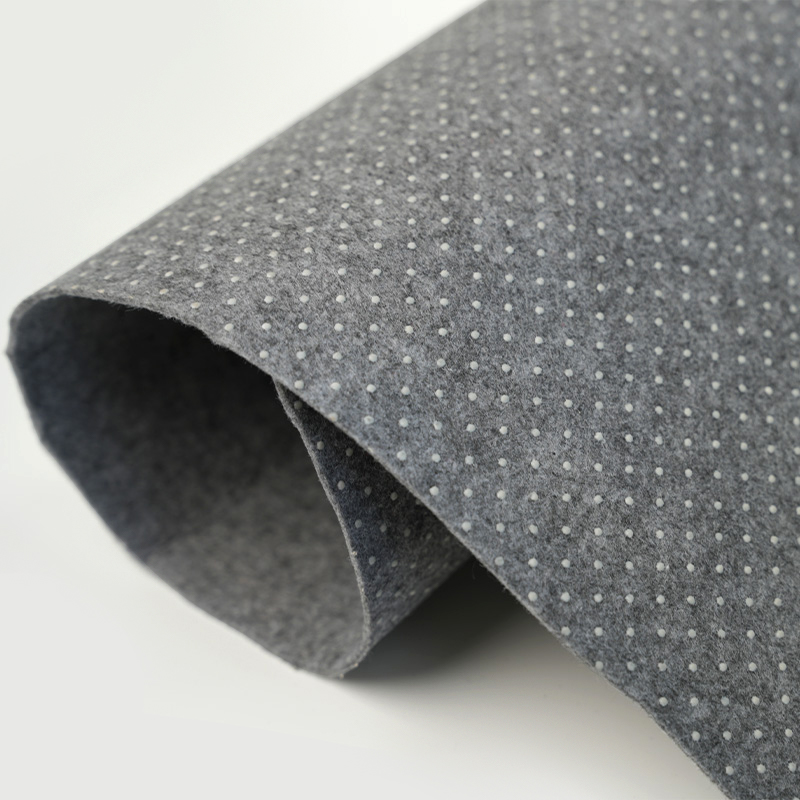
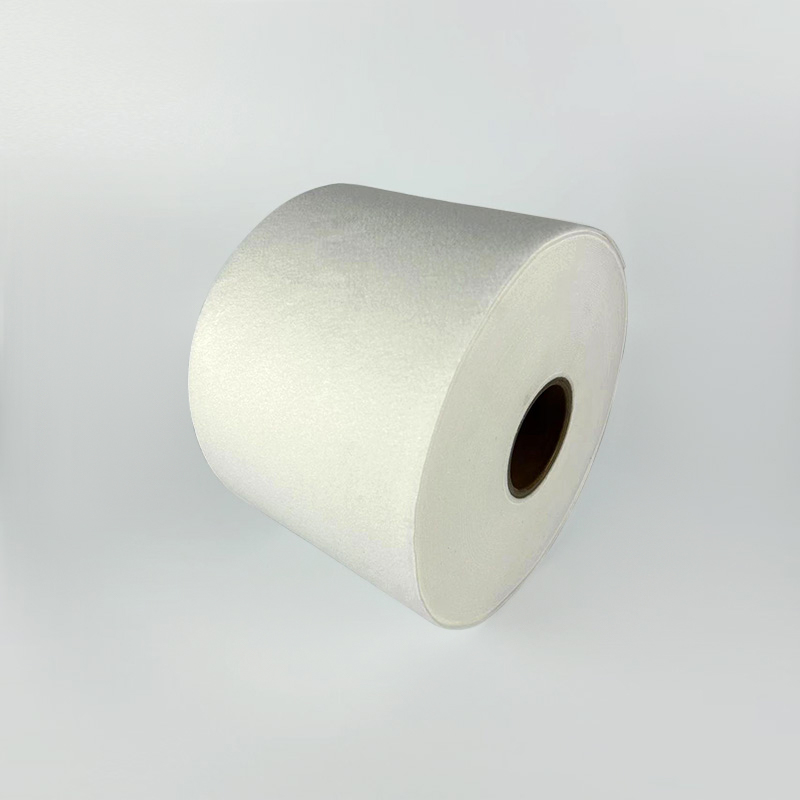
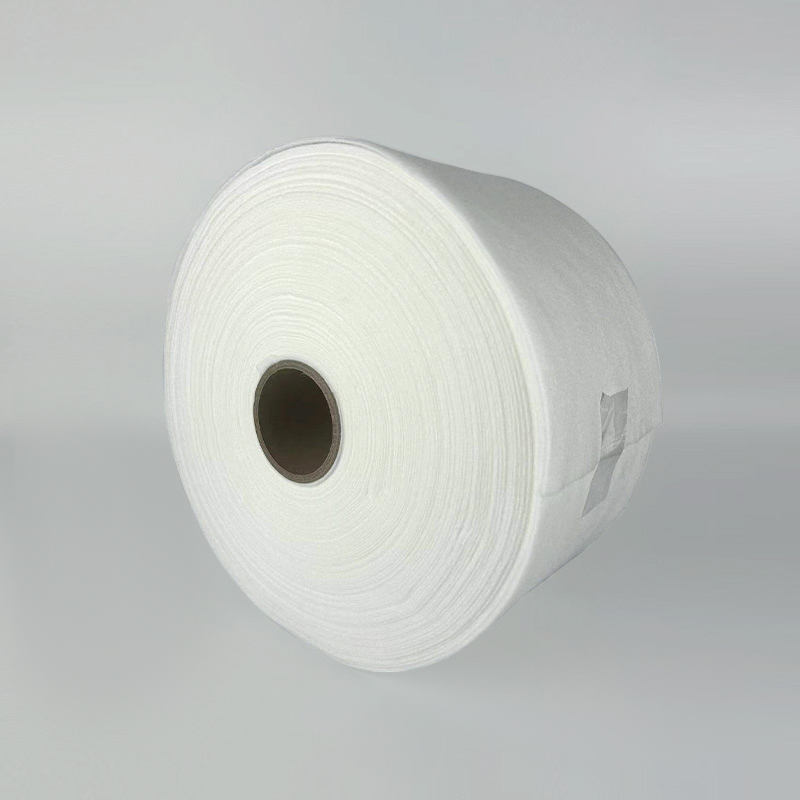
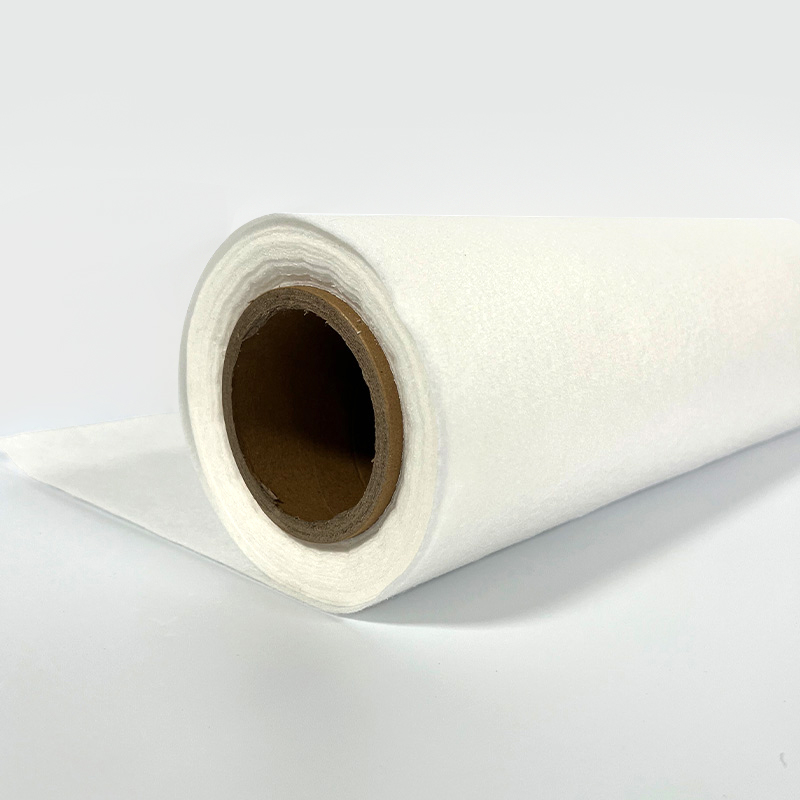
Needled cotton is a high-performance non-woven fabric formed by mechanical needle punching process, featuring excellent air permeability, heat insulation, shock absorption and filtration performance. Without chemical bonding, it is eco-friendly, durable and adaptable, becoming a mainstream functional material widely applied in industrial production, home life, environmental protection and automotive fields. Different from traditional woven cotton fabrics, needled cotton abandons spinning and weaving procedures, relying entirely on physical fiber entanglement to form a stable three-dimensional structure, which endows it with unique structural advantages and functional characteristics that cannot be replaced by ordinary cotton materials.
Needled cotton, also known as needle-punched cotton, belongs to the category of non-woven textiles. Its raw materials are mostly natural cotton fibers, polyester fibers and blended fiber materials. The core feature is that it does not undergo traditional yarn spinning and fabric weaving processes. All fiber layers are fixed together through mechanical needle punching technology to form a fluffy, porous and integral fabric material. Compared with pure woven cotton, needled cotton has a more uniform fiber distribution and a more stable overall structure, and will not easily loose or deform after long-term use.
The production process of needled cotton is purely physical mechanical processing, without adding chemical adhesives or bonding agents, which is the key reason for its environmental protection and safety. The whole process includes fiber opening, carding, lapping and needle punching forming. First, the bulk fiber raw materials are opened and dispersed to ensure single fiber separation; then the carding machine arranges the fibers in a uniform directional state; the lapping machine stacks the fiber nets layer by layer to reach the required thickness and density; finally, the high-speed moving barbed needles penetrate the fiber layers repeatedly.
During the needle punching process, the barbs on the needles drive the surface fibers to penetrate into the inner fiber layer, forming a large number of three-dimensional entangled structures. After thousands of repeated needle punching per square meter, the loose fiber nets are tightly combined into an integral felt-like material. This physical entanglement structure makes needled cotton have good tensile strength and structural stability, while retaining the natural fluffy and breathable properties of fibers.
Needled cotton has multiple excellent comprehensive performances, which determine its wide application scenarios. Its core advantages are reflected in air permeability, thermal insulation, shock resistance, filtration and environmental protection, and each performance has practical application value in different fields.
The internal structure of needled cotton is composed of countless interconnected tiny pores formed by fiber entanglement. The pore structure is uniform and not easy to block, realizing efficient air circulation and moisture volatilization. Unlike dense woven fabrics that are prone to stuffiness, needled cotton can maintain long-term air permeability. Test data shows that the air permeability rate of qualified needled cotton can remain stable in a high range, and it will not lose air permeability due to extrusion and compression. This feature makes it very suitable for filling materials in contact with human body and ventilation filtration materials.
A large number of static air layers are stored in the porous structure of needled cotton, and static air is one of the best natural thermal insulation media, which can effectively block heat conduction and air convection. In low-temperature environments, needled cotton can lock internal heat and prevent external cold air from invading; in high-temperature environments, it can isolate external heat and reduce internal temperature rise. Compared with ordinary sponge and foam materials, needled cotton has more durable thermal insulation performance and is not easy to aging and fail.
The fluffy three-dimensional fiber structure of needled cotton has excellent elasticity and compression recovery. When subjected to external impact and pressure, the internal pore structure can shrink and deform to absorb impact force; after the external force disappears, it can quickly rebound and restore the original shape. This buffering performance can effectively protect articles from collision and extrusion damage. At the same time, needled cotton has uniform stress bearing capacity, and will not produce local hard protrusions or depressions after long-term compression.
Since needled cotton adopts full physical processing without chemical adhesive bonding, it has no volatile harmful substances, no peculiar smell, and meets environmental protection and safety standards. In addition, it has good corrosion resistance, aging resistance and mildew resistance. It can maintain stable physical properties in dry and humid environments, and is not easy to deteriorate, deform or break. It is also washable and reusable, with a long service life compared with disposable filling materials.
According to different raw material components, thickness density and use scenarios, needled cotton can be divided into multiple types, and each type has targeted performance advantages and applicable fields. The following table sorts out the common types and core characteristics of needled cotton:
| Classification Type | Raw Material Composition | Core Advantages | Applicable Scenarios |
|---|---|---|---|
| Pure Cotton Needled Cotton | 100% Natural Cotton Fiber | Skin-friendly, non-irritating, high air permeability | Home textile filling, medical protection |
| Polyester Needled Cotton | High-quality Polyester Fiber | Aging-resistant, durable, low cost | Industrial filtration, automotive interior |
| Blended Needled Cotton | Cotton and Polyester Blended Fiber | Balanced performance, wide adaptability | Packaging protection, building insulation |
In addition to raw material classification, needled cotton can also be divided into thin-type conventional cotton and thick-type high-density cotton according to thickness and density. Thin needled cotton is mostly used for light filtration and soft filling, while high-density thick needled cotton has stronger shock absorption and thermal insulation effect, suitable for heavy-duty industrial protection and building thermal insulation projects.
Relying on its comprehensive and excellent performance, needled cotton has penetrated into many fields such as home life, industrial manufacturing, environmental protection engineering, automotive industry and construction industry, and has become an indispensable functional material. The specific application scenarios are as follows:
Needled cotton is one of the core filling materials for modern home textiles. It is widely used in quilts, mattresses, pillows, sofa cushions and other products. Different from traditional cotton wadding that is easy to agglomerate and harden, needled cotton has uniform fiber entanglement, which can keep the filling fluffy for a long time without agglomeration or deformation. Its good air permeability and skin-friendliness also ensure the comfort of daily use, avoiding stuffiness and humidity problems caused by poor air circulation. At the same time, washable needled cotton is convenient for daily cleaning and maintenance, which greatly improves the service life of home textile products.
The uniform porous structure of needled cotton makes it an ideal filtration material. It can effectively filter solid particles, dust and impurities in gas and liquid. In industrial dust removal, sewage filtration, air purification and other links, needled cotton can intercept fine impurities while ensuring smooth fluid circulation. Compared with traditional filter cotton, needled cotton has higher filtration precision and stronger dirt holding capacity, and is not easy to block in a short time. In environmental protection equipment such as fresh air systems and dust collectors, needled cotton has become a conventional supporting filter material.
Automotive interior puts forward high requirements for sound insulation, shock absorption and environmental protection performance of materials. Needled cotton has good sound absorption and noise reduction effect, which can absorb road noise and engine vibration noise during vehicle driving, and improve indoor quietness. At the same time, its excellent shock absorption performance can buffer the vibration generated during vehicle driving and improve riding comfort. In addition, the odor-free and environmentally friendly characteristics of needled cotton meet the safety standards of automotive interior materials, and it is widely used in automobile ceiling, door panel, chassis sound insulation and shock absorption layers.
In construction engineering, needled cotton is used as auxiliary thermal insulation and sound insulation material for walls, ceilings and floors. Its porous structure can effectively isolate indoor and outdoor heat exchange, reduce building energy consumption, and play a role in energy saving and thermal insulation. At the same time, it can absorb indoor and outdoor noise, reduce sound transmission, and improve indoor sound insulation effect. Compared with traditional thermal insulation materials, needled cotton is lighter, easier to cut and construct, and has no harmful substance precipitation, which is safe and reliable for building long-term use.
For fragile, precision and easily damaged products, needled cotton is an excellent buffer packaging material. It can fit the surface of products, absorb external extrusion and impact force, and prevent products from collision and scratch damage during transportation and storage. Different from foam packaging materials that are easy to break and produce debris, needled cotton is tough and wear-resistant, with good overall integrity, and can be reused many times, which is more in line with environmental protection and cost-saving needs.
The service life of needled cotton is closely related to usage environment and maintenance methods. Scientific daily maintenance can effectively prolong its service life and maintain stable performance. The core maintenance methods are summarized as follows:
Under normal use and standard maintenance conditions, the service life of household needled cotton products can reach 3-5 years, and industrial high-density needled cotton can maintain stable performance for more than 5 years. When the needled cotton appears obvious fiber falling, hardening and permanent deformation, it means that the performance is attenuated and needs to be replaced in time.
Compared with traditional woven cotton, sponge, foam and other alternative materials, needled cotton has obvious comprehensive advantages. It balances softness, toughness, air permeability and stability, and has outstanding environmental protection and cost performance. With the continuous upgrading of textile technology and the improvement of environmental protection standards in various industries, the market demand for needled cotton is gradually expanding.
In the future, with the innovation of fiber raw materials and needle punching technology, the functionality of needled cotton will be further improved. New types of needled cotton with flame retardant, antibacterial, waterproof and high-temperature resistance will be continuously developed, and its application scope will be further extended to high-end fields such as medical treatment, aerospace and new energy equipment. As a green and environmentally friendly physical processing textile material, needled cotton will have a broader market development space.

Enterprise tenet: service-based, quality for survival, science and technology for development
 +86-15151778356
 No. 121 Huangnilou, Yangqiao Village, Zhitang Town, Changshu City, Jiangsu Province, China
Copyright © Changshu Mingyun Hongshun Non woven Products Co., Ltd. All Rights Reserved. Custom OEM/ODM Environmental Nonwoven Fabrics Products Manufacturers


 English
 中文简体
中文简体 русский