2026-06-22
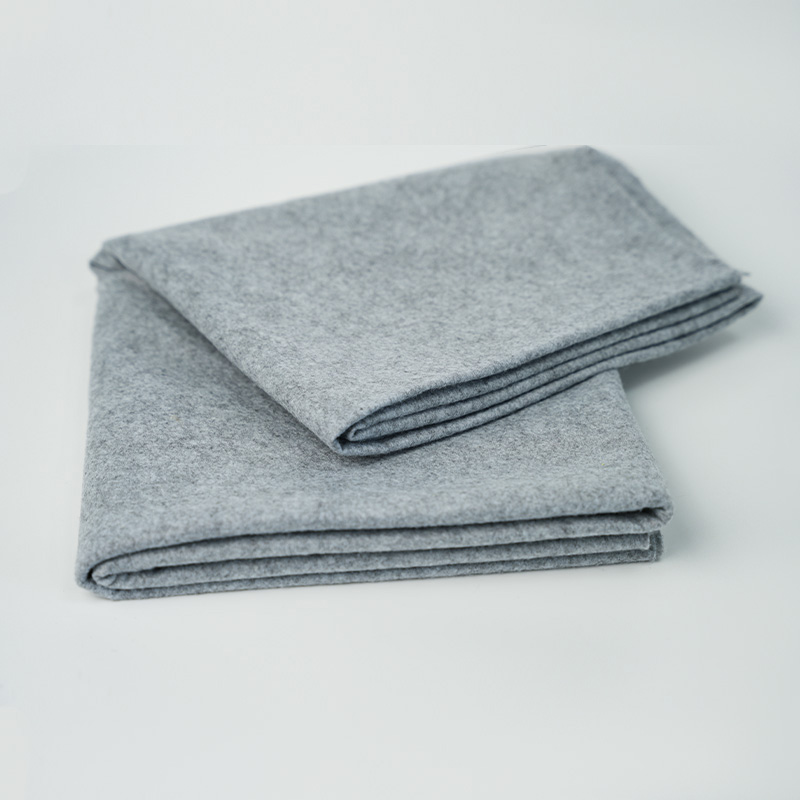
A non-slip drip rug is the most effective solution for preventing wet floors, protecting underlying surfaces, and significantly reducing the risk of slip-and-fall accidents. By combining a highly absorbent surface layer with a durable, high-friction backing, this type of mat ensures that dripping water is instantly trapped while the rug itself remains firmly anchored to the floor. This dual-action functionality makes it an indispensable addition to any environment where water and high foot traffic intersect, offering a practical safeguard for both residential and commercial spaces.
The effectiveness of a non-slip drip rug lies entirely in its engineered layering system. Rather than acting as a simple barrier, the rug actively manages moisture and mechanical stability through two distinct components working in tandem.
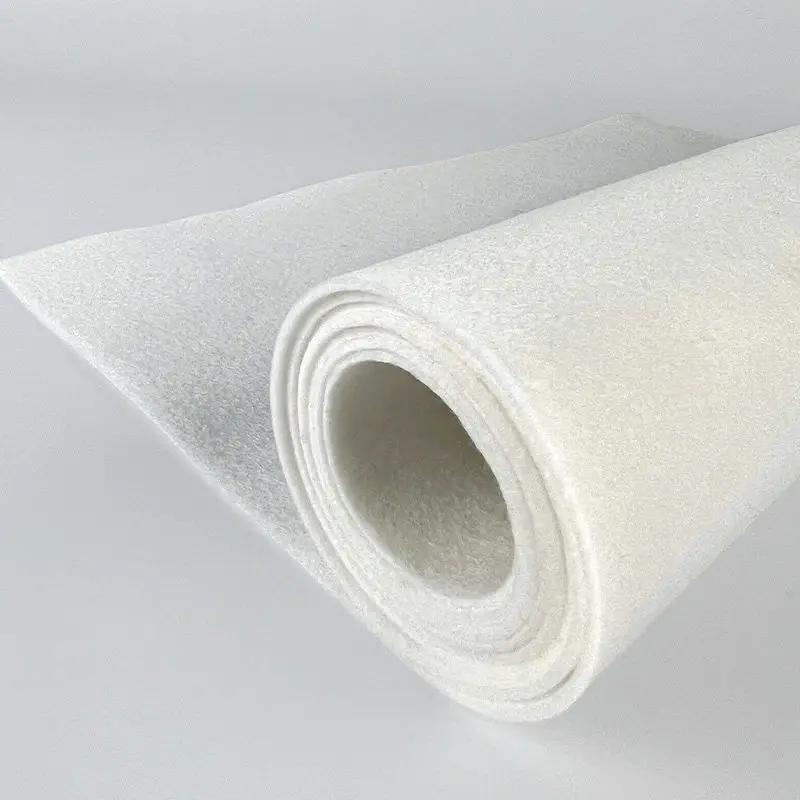
The top layer is typically constructed from materials engineered for capillary action, such as dense microfiber or natural cotton. These materials feature thousands of microscopic pores that draw water away from the surface immediately upon contact. Microfiber, for example, can hold several times its weight in water, preventing the moisture from pooling on the floor. This rapid absorption ensures that the surface dries quickly, reducing the chance of a secondary slip hazard when the next person steps onto the mat.
While the top manages the water, the bottom layer secures the rug. The backing is usually made from thermoplastic rubber (TPR) or natural rubber. These materials naturally grip smooth surfaces like tile, hardwood, or laminate. The backing often features a textured pattern—such as a geometric grid or raised dots—which increases the surface area in contact with the floor and amplifies the friction. A properly engineered backing prevents the rug from sliding even when subjected to sudden, forceful footsteps.
To get the most out of a non-slip drip rug, placement is critical. The rug must be positioned exactly where water transitions from a wet object or person to a dry floor. Identifying these transition zones in a home or facility ensures the rug performs its intended function.
Not all drip rugs are created equal. When evaluating options, several functional criteria dictate how well the rug will perform over time. Focus on practical attributes rather than purely aesthetic features.
The choice between natural and synthetic materials impacts both performance and maintenance. Synthetic microfiber offers superior quick-drying properties and durability against frequent machine washing. Natural cotton feels softer but may take longer to dry and can compress over time. The backing material should be chosen based on floor type; while rubber offers excellent grip, TPR is often more resistant to degradation from sunlight and moisture.
A rug that is too small will fail to capture all the dripping water, rendering it ineffective. The rug should comfortably accommodate the average stride length of a person exiting a shower or entering a door. A wider rug ensures that water dripping from coats or elbows is also caught, maximizing the protective footprint.
Proper maintenance is essential to preserve both the absorbency of the surface and the gripping power of the backing. A rug clogged with dirt or soap residue will repel water rather than absorb it, and a degraded backing will slide dangerously. Follow these steps to extend the lifespan of the rug:
Understanding the differences in backing technology helps in selecting a rug tailored to specific environmental conditions. The table below outlines the core differences between the most common backing types.
| Backing Type | Grip Performance | Durability in Moisture | Ideal Environment |
|---|---|---|---|
| Natural Rubber | Excellent | Good | Bathrooms, Cold Climates |
| TPR (Thermoplastic Rubber) | Very Good | Excellent | Kitchens, Humid Areas |
| PVC (Vinyl) | Moderate | Good | Low Traffic Areas |
Integrating non-slip drip rugs into a property management or household routine offers compounding benefits. Beyond the immediate prevention of slips, these rugs actively protect structural integrity. By trapping water, they prevent moisture from seeping into the seams of laminate flooring or grout lines, which can cause warping, mold growth, and costly structural repairs. Consistent use of high-quality drip rugs ultimately lowers maintenance costs and creates a demonstrably safer living environment. When selected carefully and maintained properly, they serve as a silent, highly effective barrier between the chaos of the outdoors and the safety of the interior.

Enterprise tenet: service-based, quality for survival, science and technology for development
 +86-15151778356
 No. 121 Huangnilou, Yangqiao Village, Zhitang Town, Changshu City, Jiangsu Province, China
Copyright © Changshu Mingyun Hongshun Non woven Products Co., Ltd. All Rights Reserved. Custom OEM/ODM Environmental Nonwoven Fabrics Products Manufacturers


 English
 中文简体
中文简体 русский