2026-07-01
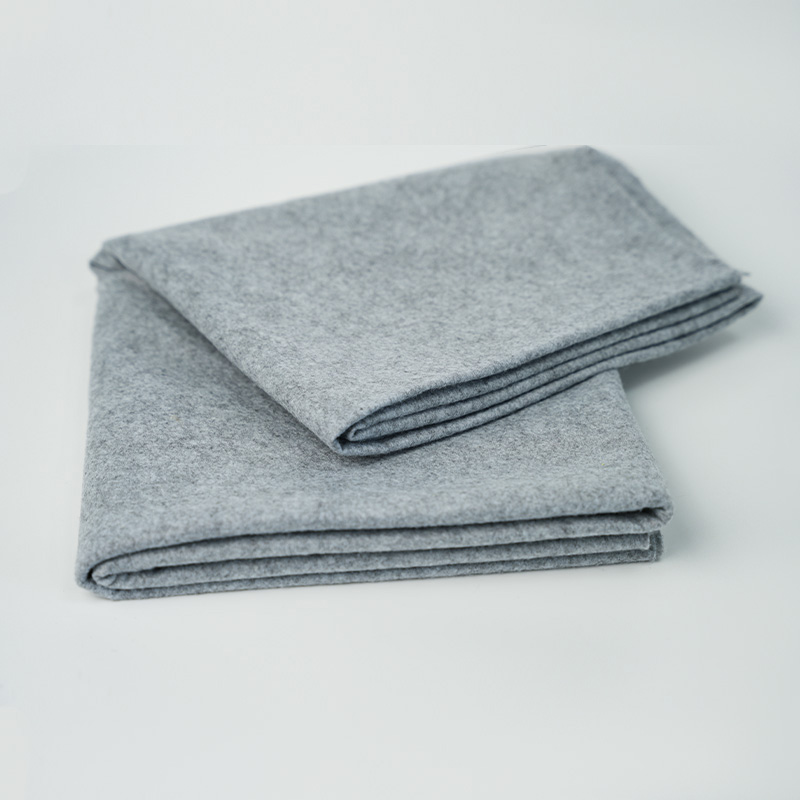
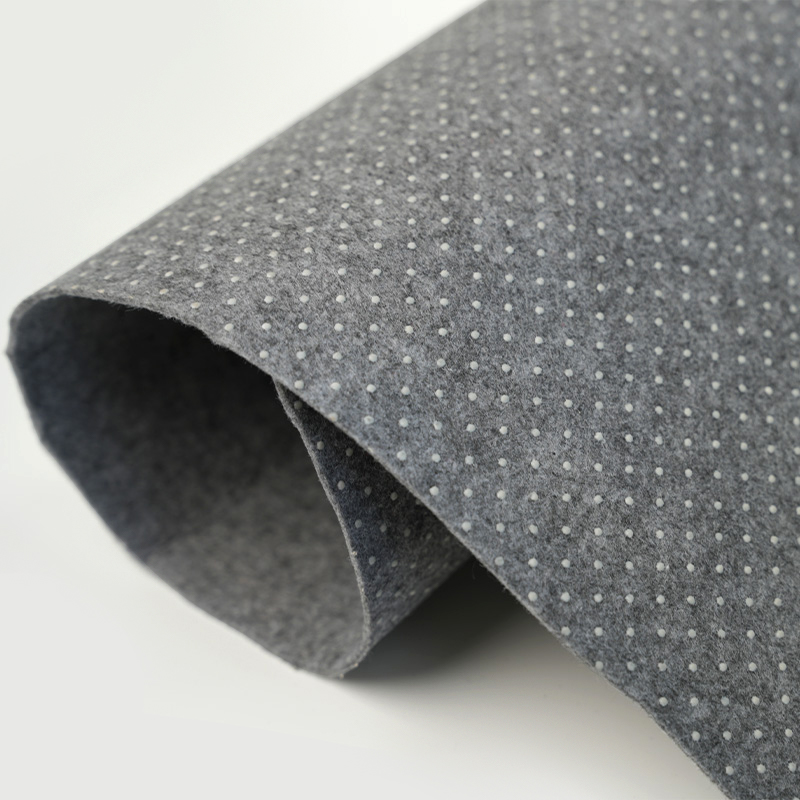
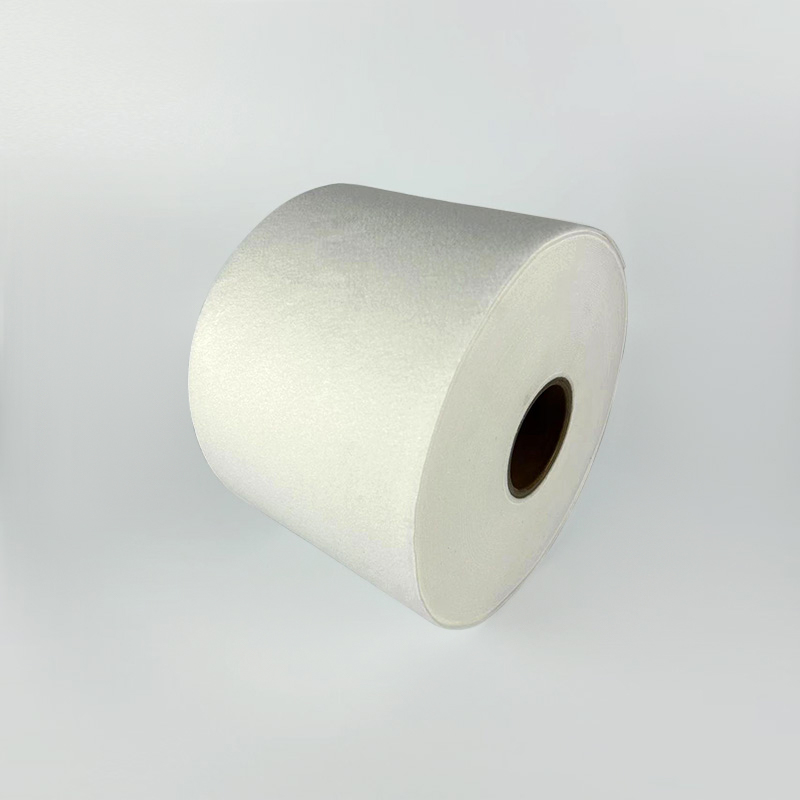
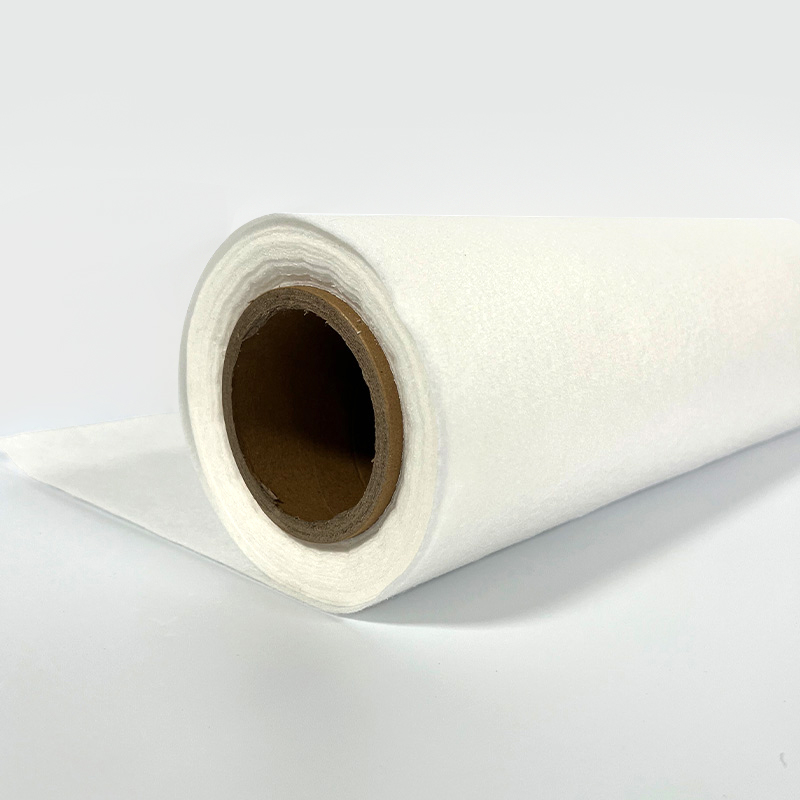
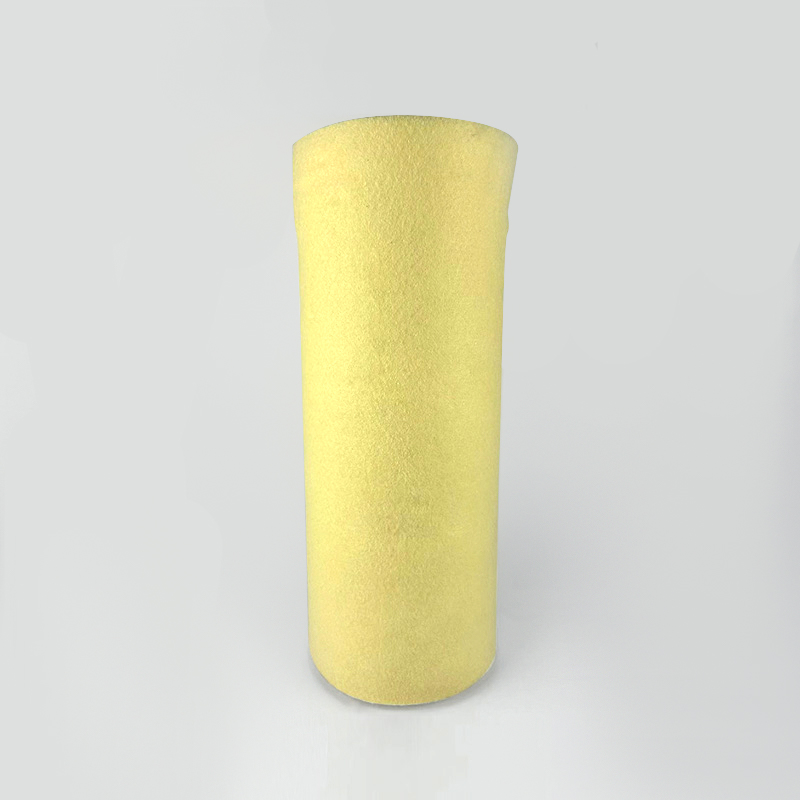
Environmental nonwoven fabrics represent a critical advancement in material science, offering a sustainable and high-performance alternative to traditional textiles and plastics. These materials significantly reduce environmental impact by utilizing biodegradable fibers and recycled content, while maintaining the durability required for industrial and consumer applications. By transitioning to these eco-friendly alternatives, industries can effectively lower their carbon footprint, decrease reliance on non-renewable petroleum resources, and comply with increasingly stringent global environmental regulations without compromising on quality or functionality.
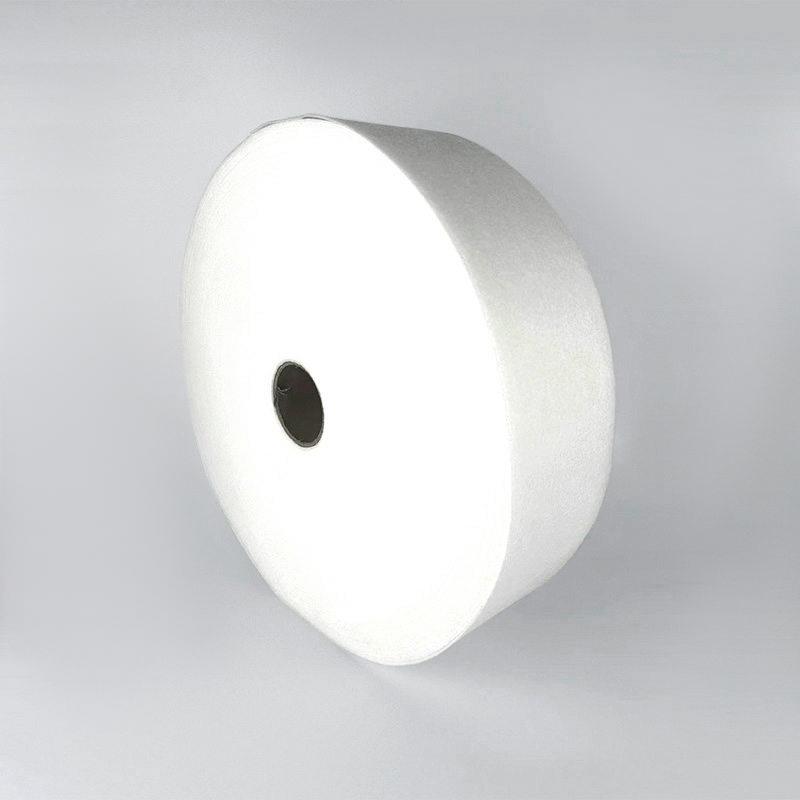
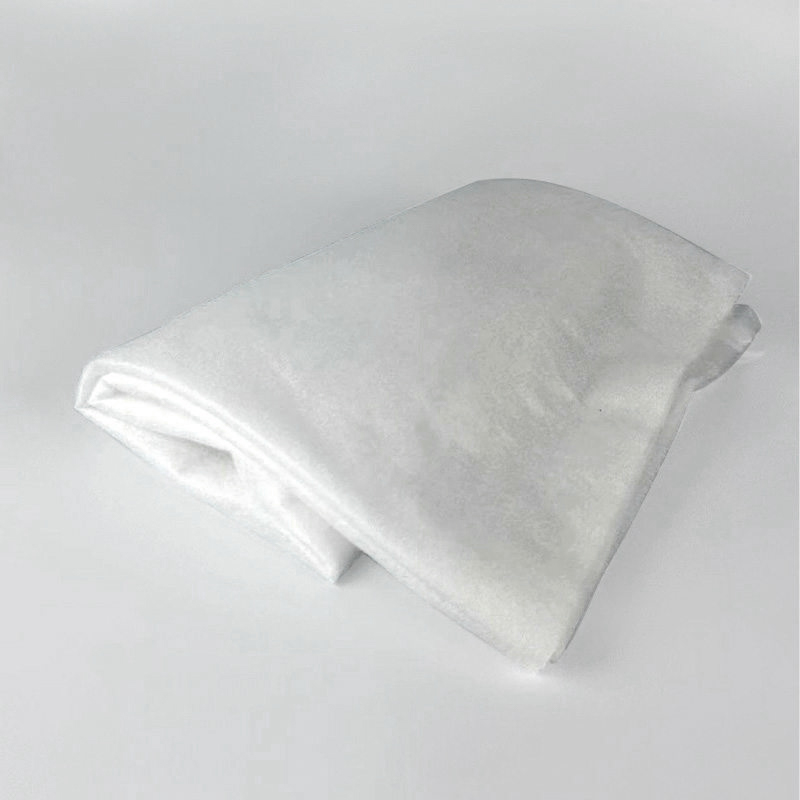
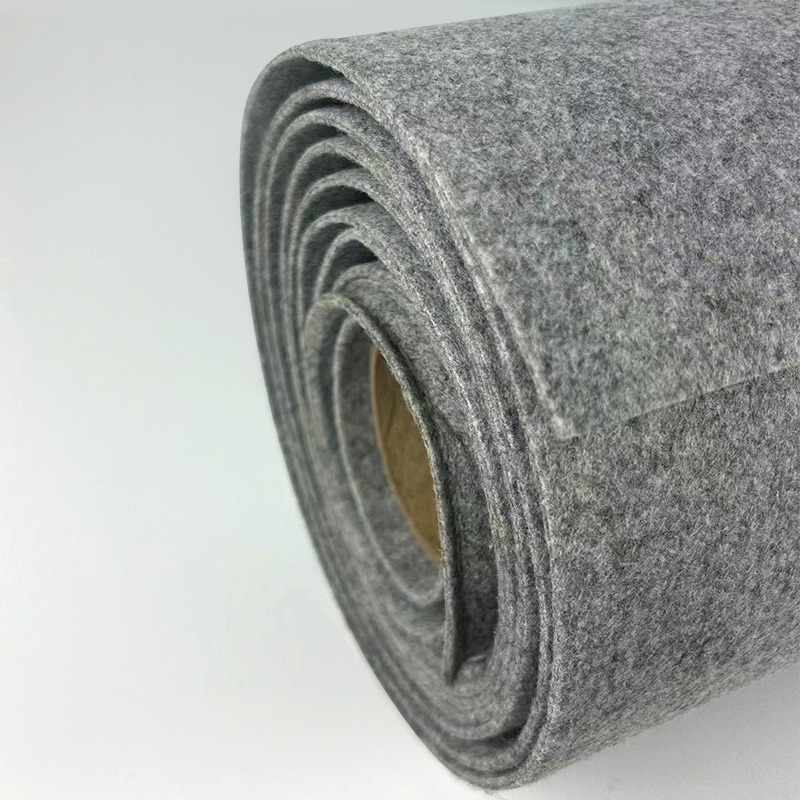
Unlike traditional woven or knitted fabrics, nonwovens are produced directly from fibers that are bonded together chemically, mechanically, or thermally. The "environmental" designation refers specifically to the composition and lifecycle of these materials. These fabrics are engineered to minimize ecological harm through the use of sustainable raw materials and responsible end-of-life processing.
The adoption of environmental nonwovens is driven by a measurable reduction in ecological degradation across the entire product lifecycle. From the extraction of raw materials to final disposal, these fabrics offer distinct advantages over conventional options.
The production of bio-based nonwovens generally consumes less energy compared to petroleum-based synthetics. Because plants absorb carbon dioxide during growth, the carbon footprint of the final product is significantly lower. Studies suggest that switching to bio-based polymers can reduce greenhouse gas emissions by a substantial margin compared to traditional fossil-based plastics.
One of the most pressing issues with conventional synthetics is their persistence in the environment. Environmental nonwovens address this through two main pathways:
The utility of environmental nonwoven fabrics extends far beyond niche eco-products. They have become integral to diverse sectors due to their versatility, cost-effectiveness, and performance characteristics.
In farming, biodegradable mulch films and crop covers are used to suppress weeds, retain soil moisture, and regulate temperature. Unlike traditional plastic sheets, these nonwoven variants can be plowed directly into the soil after the harvest season, eliminating the labor and pollution associated with plastic removal.
The hygiene sector is a major consumer of nonwovens for products such as wipes, diapers, and feminine care items. Innovators are increasingly replacing plastic-heavy spunbond layers with bamboo or cotton-based nonwovens and biodegradable PLA layers. This shift caters to the growing consumer demand for "flushable" or compostable hygiene products that do not contribute to microplastic pollution in waterways.
In construction, sustainable nonwovens serve as erosion control blankets, drainage fabrics, and insulation. When used for temporary erosion control, these blankets degrade naturally as vegetation establishes, providing permanent stabilization without the need for removal or causing long-term soil contamination.
To understand the value proposition, it is helpful to contrast standard materials with their eco-friendly counterparts across key performance indicators.
| Feature | Traditional Nonwovens | Environmental Nonwovens |
|---|---|---|
| Raw Material Source | Fossil fuels (Virgin Petrochemicals) | Plants, recycled waste, bio-polymers |
| Decomposition Time | Centuries (Non-degradable) | Months to a few years (Compostable) |
| Carbon Footprint | High (Due to extraction & processing) | Lower (Carbon sequestration in plants) |
| End-of-Life Impact | Landfill accumulation or incineration | Soil enrichment (compost) or recycling |
While the benefits are clear, the transition to environmental nonwovens is not without challenges. Manufacturers and procurement managers must weigh several factors to ensure successful implementation.
Historically, eco-friendly materials have carried a higher price tag due to smaller production scales and the cost of raw materials. However, as technology matures and supply chains for recycled resins and bio-polymers expand, the cost gap is steadily narrowing. Companies must evaluate the total cost of ownership, including potential tax incentives for green manufacturing and the reputational value of sustainability.
Natural fibers can sometimes exhibit variability in strength or absorbency depending on the harvest conditions. Engineers must carefully select the right blend of fibers—for example, mixing cotton with recycled polyester—to ensure the final fabric meets the rigorous mechanical standards required for medical or filtration uses.
For biodegradable nonwovens to be effective, the right waste management infrastructure must exist. A compostable wipe will not degrade in a standard landfill. The effectiveness of these materials relies heavily on industrial composting facilities being accessible to the end-user. Therefore, clear labeling and consumer education are vital components of the sustainability strategy.
The future of environmental nonwoven fabrics lies in continuous innovation and the integration of circular economy principles. Research is currently focused on enhancing the performance of bio-based polymers to make them as resilient as petrochemicals. Furthermore, advanced chemical recycling methods are being developed to handle complex nonwoven waste that mechanical recycling cannot process, allowing for infinite recycling of plastic fibers.
We are also seeing the rise of "smart" nonwovens that are both sustainable and functional, incorporating natural antimicrobial properties or sensors for agricultural monitoring. Ultimately, environmental nonwoven fabrics are set to become the industry standard, driven by regulatory pressure, corporate sustainability goals, and a consumer base that increasingly demands environmentally responsible products.

Enterprise tenet: service-based, quality for survival, science and technology for development
 +86-15151778356
 No. 121 Huangnilou, Yangqiao Village, Zhitang Town, Changshu City, Jiangsu Province, China
Copyright © Changshu Mingyun Hongshun Non woven Products Co., Ltd. All Rights Reserved. Custom OEM/ODM Environmental Nonwoven Fabrics Products Manufacturers


 English
 中文简体
中文简体 русский