2026-07-08
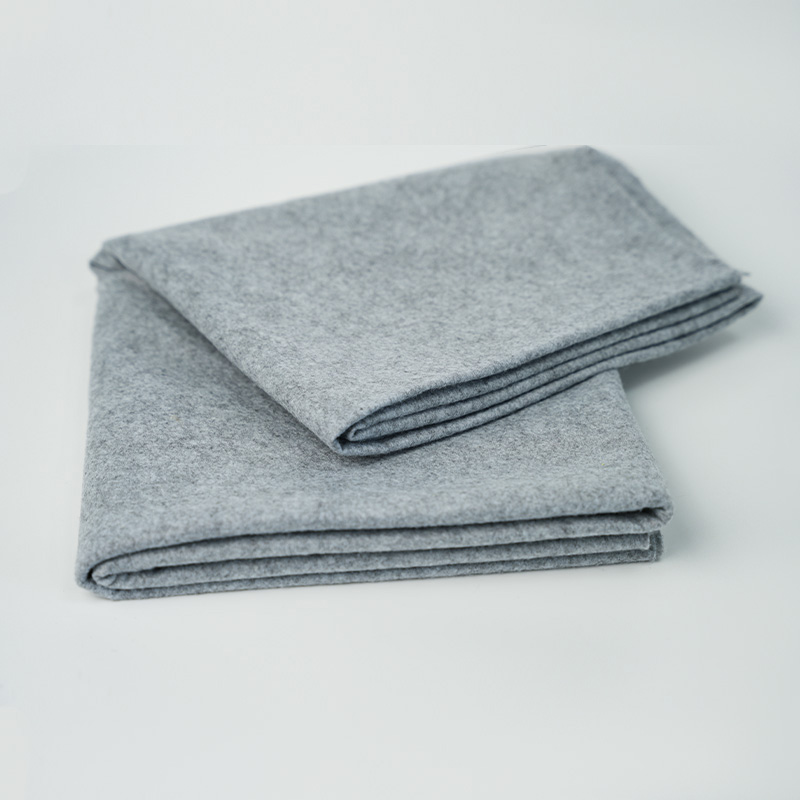
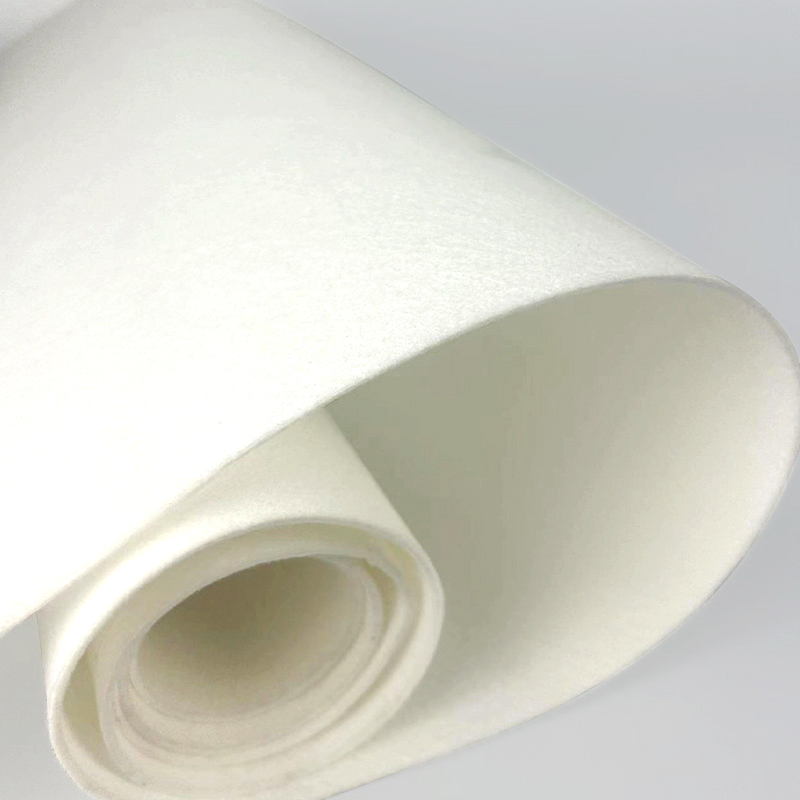
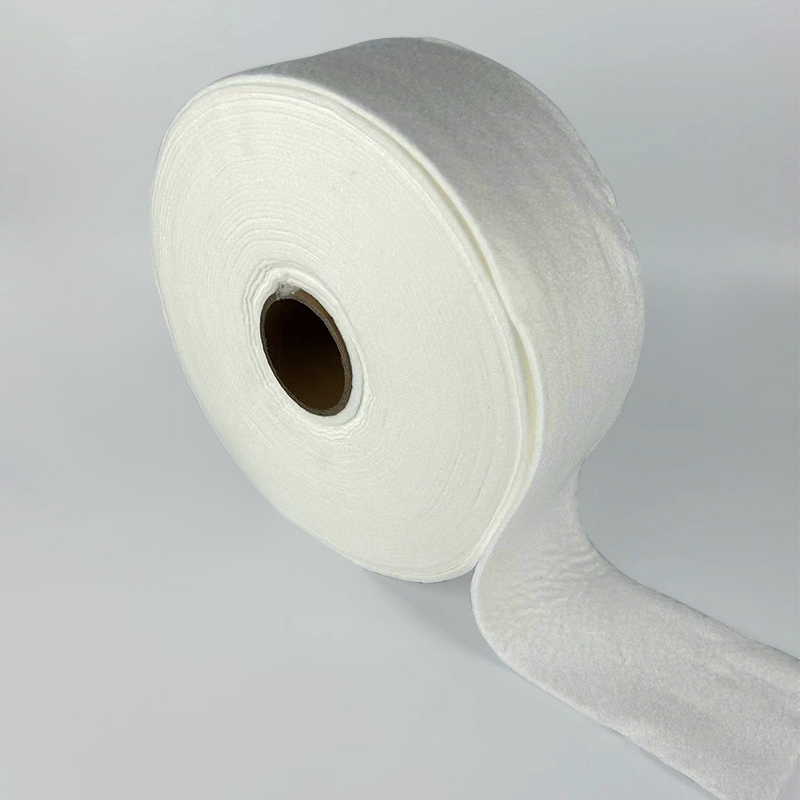
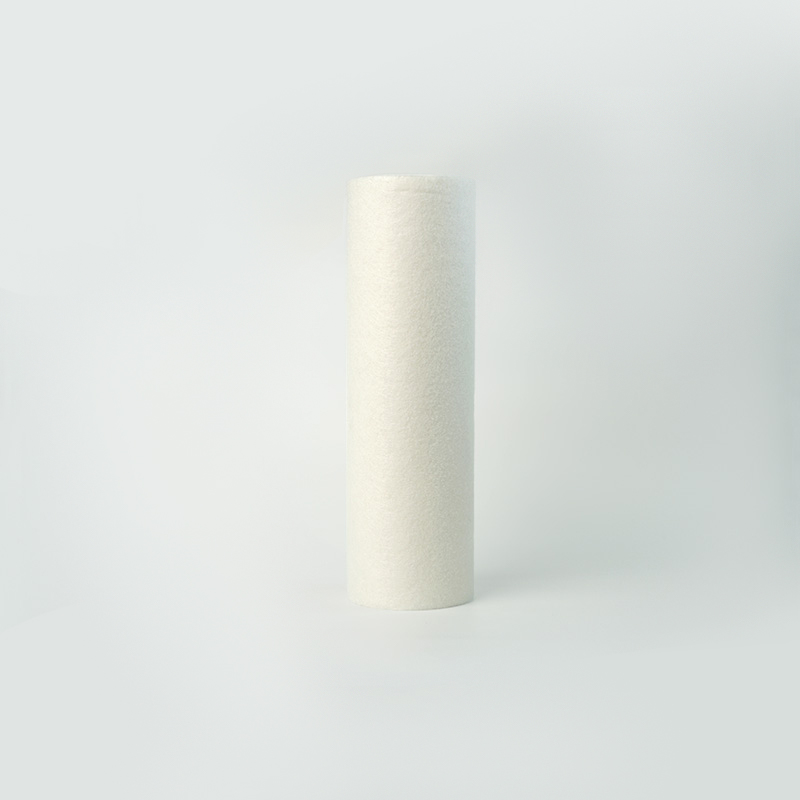
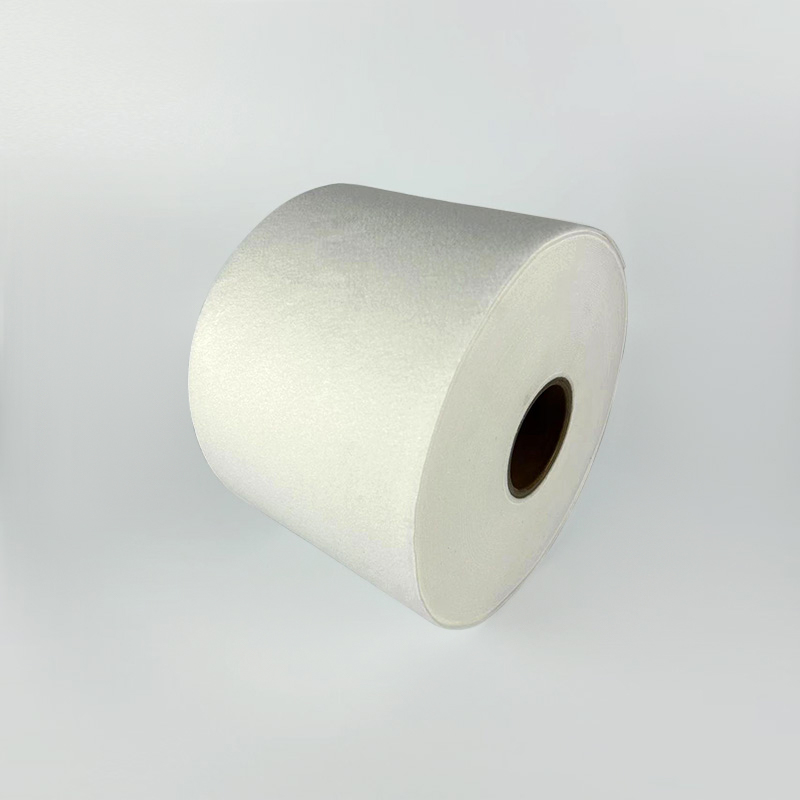
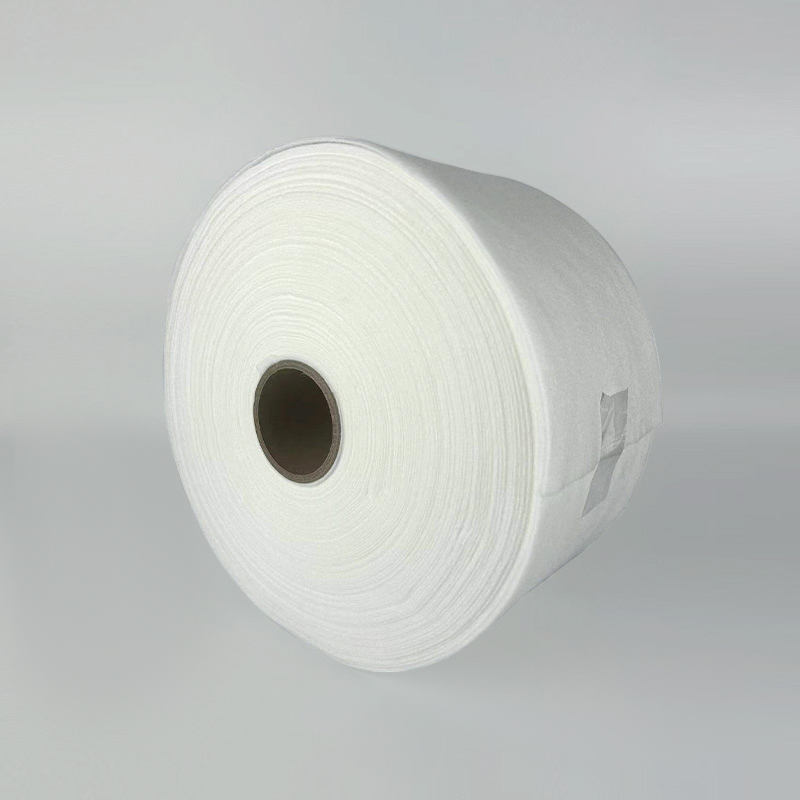
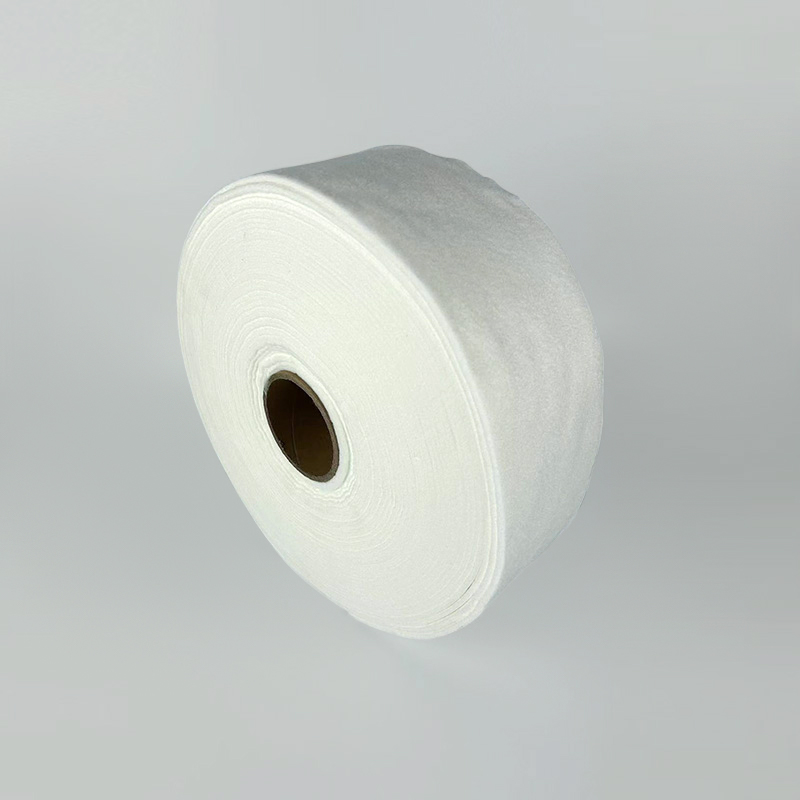
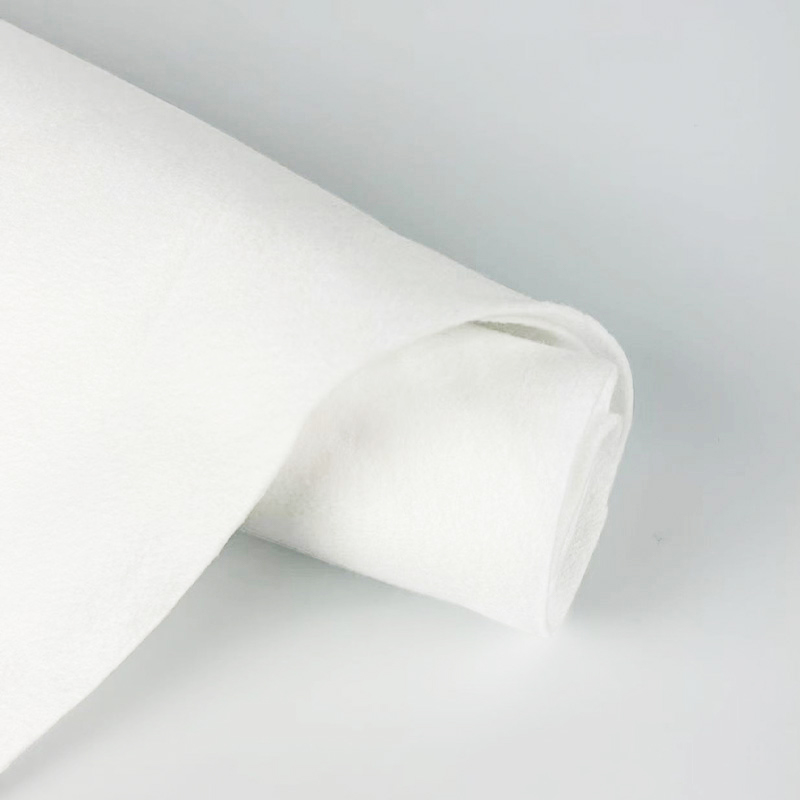
Environmental nonwoven fabrics are the ultimate sustainable alternative to traditional plastics, offering high durability, versatility, and a significantly reduced ecological footprint. These materials are engineered to meet the rigorous demands of modern industries—such as packaging, agriculture, and healthcare—while ensuring that the end product is either fully biodegradable or easily recyclable. By shifting to these eco-conscious textiles, industries can drastically lower their carbon emissions and mitigate the long-term environmental damage caused by synthetic waste. The future of material science heavily relies on the adoption and advancement of these green fabrics.
To understand why environmental nonwoven fabrics are so impactful, one must first examine their raw materials and the manufacturing processes that bring them to life. Unlike traditional woven textiles, nonwovens are bonded together through chemical, mechanical, heat, or solvent treatments, bypassing the need for spinning yarn. This unique structure allows for a rapid, resource-efficient production cycle.
The environmental viability of these fabrics stems directly from their inputs. Manufacturers increasingly rely on natural and regenerated fibers to ensure the end product returns safely to the earth. Common materials include:
The production of environmental nonwovens is designed to minimize energy consumption and water usage. Spunbond and meltblown technologies are frequently adapted for biopolymers, where fibers are extruded directly into a web. For natural fibers, needle-punching and hydroentanglement (spunlace) techniques physically interlock the fibers without the need for harsh chemical binders. This results in a clean manufacturing process that emits fewer greenhouse gases compared to conventional textile weaving.
The transition to nonwoven environmental fabrics is not merely a marketing trend; it is backed by tangible ecological advantages that address pressing global challenges. These benefits span the entire lifecycle of the product, from creation to disposal.
Perhaps the most significant advantage is the ability of these materials to break down naturally. While traditional plastics take centuries to decompose, leaving behind microplastics, nonwovens made from PLA or natural fibers can degrade into water, carbon dioxide, and biomass within a few months under industrial composting conditions. This eliminates the persistent accumulation of waste in natural ecosystems, protecting marine and terrestrial wildlife from ingestion hazards.
Because environmental nonwovens often utilize plant-based materials, they actively participate in carbon sequestration during the growth phase of the raw materials. Furthermore, the lightweight nature of nonwoven fabrics reduces transportation energy. When combining recycled materials with efficient manufacturing, the overall carbon footprint of producing a square meter of environmental nonwoven fabric is significantly lower than that of woven cotton or synthetic plastics. This reduction is crucial for industries aiming to meet strict international climate targets.
The versatility of environmental nonwoven fabrics allows them to seamlessly integrate into various sectors, replacing traditional materials without sacrificing functionality. Their high tensile strength, breathability, and customizable absorbency make them ideal for numerous practical uses.
In the packaging industry, nonwovens are replacing bubble wrap, foam, and plastic films. They are used to create durable, reusable shopping bags, protective covers for electronics, and agricultural produce wraps. The fabrics provide excellent cushioning and breathability, which is particularly beneficial for packaging fresh produce, as it prevents condensation and extends shelf life naturally.
Farmers and gardeners utilize biodegradable nonwoven fabrics as crop covers, weed control barriers, and root bags. Unlike plastic mulch, which must be collected and disposed of after the harvest, environmental nonwovens can be plowed directly back into the soil. As they decompose, they enrich the soil with organic matter, improving soil structure and reducing the need for synthetic fertilizers.
The medical sector requires materials that are sterile, durable, and safe for single-use applications to prevent cross-contamination. Environmental nonwovens made from biodegradable polymers are increasingly used for surgical gowns, drapes, and face masks. After use, these items can be processed in specialized medical composting facilities, drastically reducing the massive volume of biohazard waste that traditionally ends up in incinerators or landfills.
To fully appreciate the value of switching to environmental nonwovens, it is essential to compare them directly with the traditional petroleum-based plastics they aim to replace. The differences in lifecycle impact are stark and multifaceted.
| Feature | Environmental Nonwovens | Traditional Plastics |
|---|---|---|
| Raw Material Source | Plant-based, renewable, recycled | Petroleum-based, finite |
| End of Life | Biodegradable, compostable, recyclable | Centuries to degrade, creates microplastics |
| Carbon Emission Profile | Low, often carbon neutral | High, contributes to global warming |
| Manufacturing Energy | Energy efficient processes | Energy intensive polymerization |
The field of environmental nonwoven fabrics is dynamic, with continuous research pushing the boundaries of what these materials can achieve. Future developments are focused on enhancing performance metrics while further reducing environmental impacts.
Researchers are developing complex blends of biopolymers to create fabrics that offer the exact tensile strength and water resistance of synthetic plastics, but with full compostability. By combining materials like PLA with starch or bamboo fibers, manufacturers can fine-tune the degradation rate and physical properties of the fabric to suit specific industrial needs.
The future of nonwovens lies in a closed-loop system. Facilities are being designed to not only produce new eco-nonwovens but also to recycle post-consumer nonwoven waste back into the production stream. This circular approach ensures that materials are kept in use for as long as possible, extracting their maximum value before recovering and regenerating them into new products. This systemic shift will redefine how industries source and dispose of textiles.

Enterprise tenet: service-based, quality for survival, science and technology for development
 +86-15151778356
 No. 121 Huangnilou, Yangqiao Village, Zhitang Town, Changshu City, Jiangsu Province, China
Copyright © Changshu Mingyun Hongshun Non woven Products Co., Ltd. All Rights Reserved. Custom OEM/ODM Environmental Nonwoven Fabrics Products Manufacturers


 English
 中文简体
中文简体 русский