2026-04-15
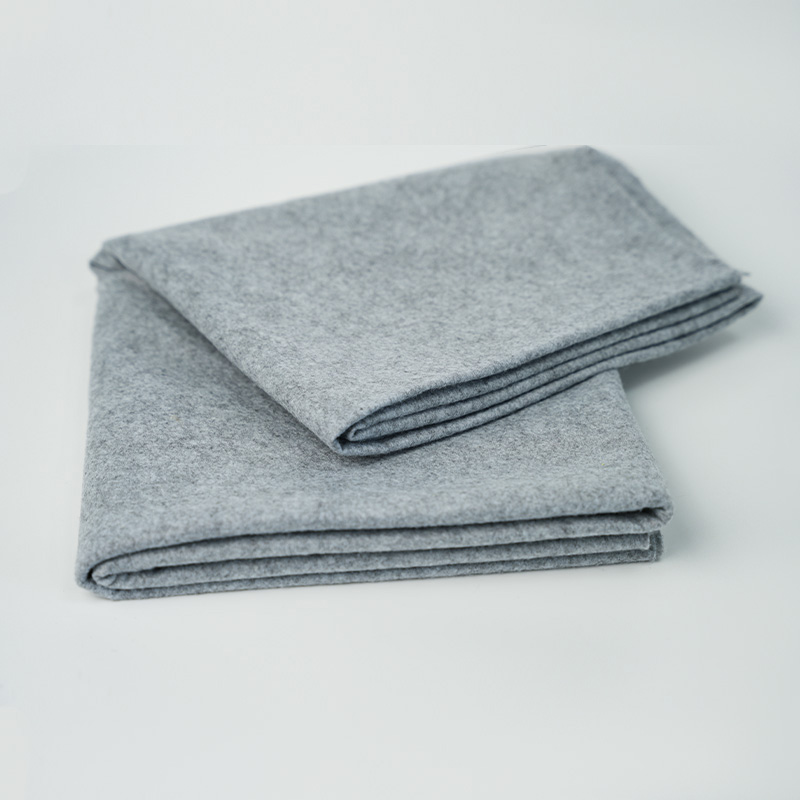
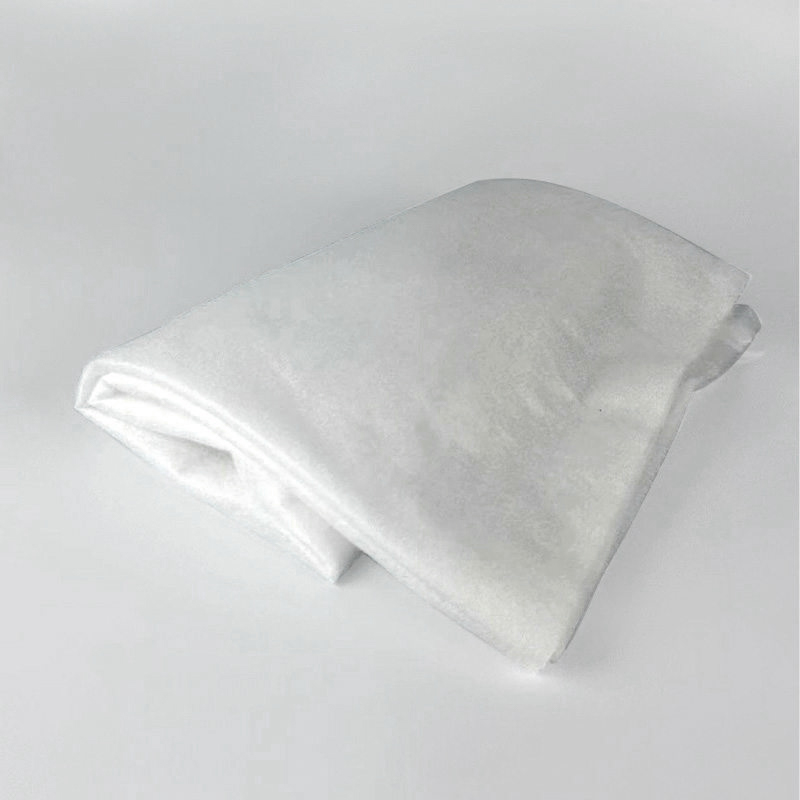
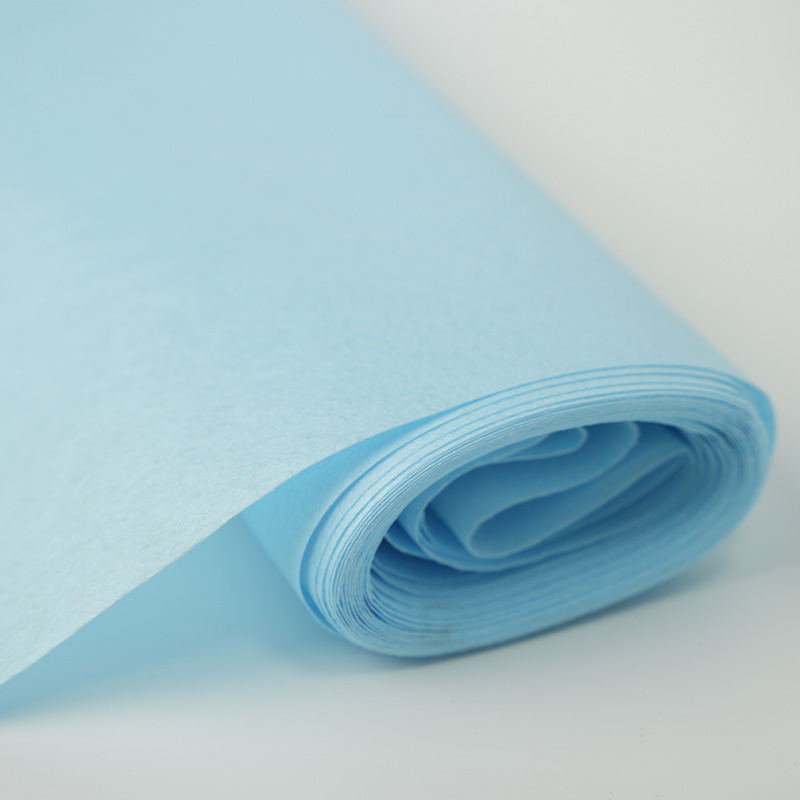
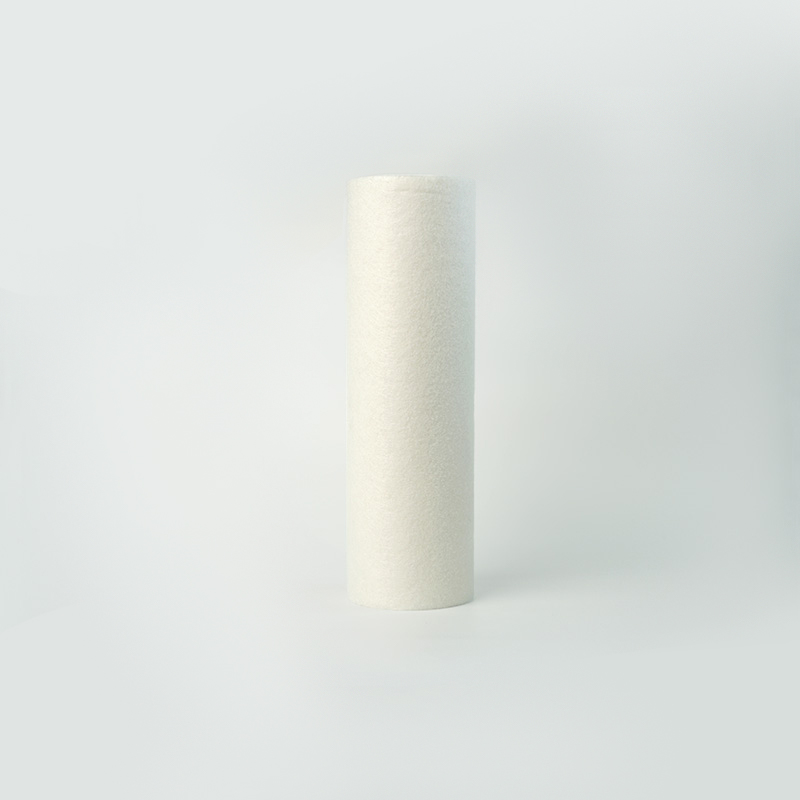
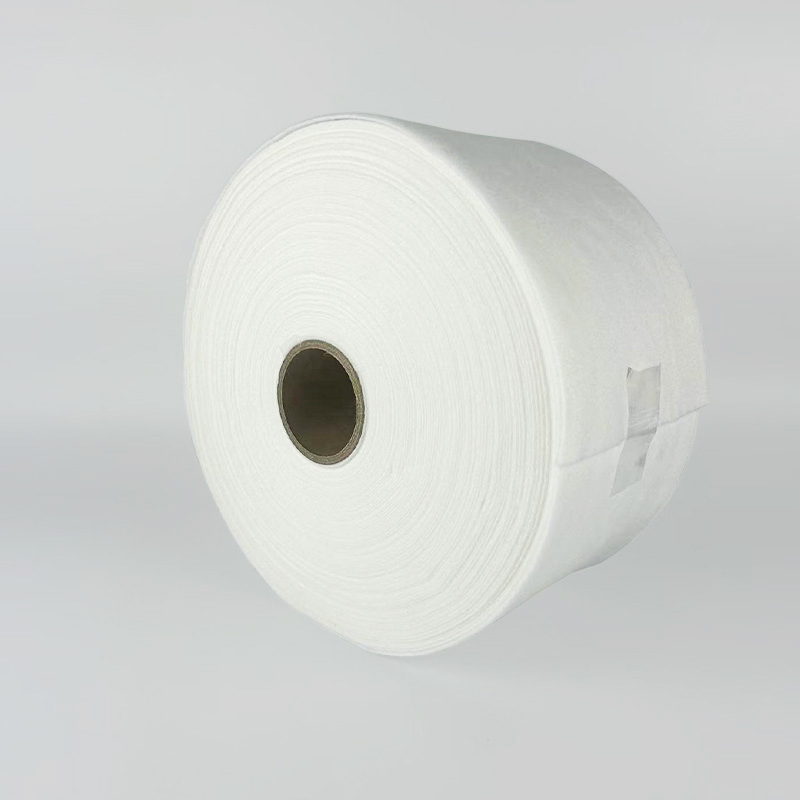
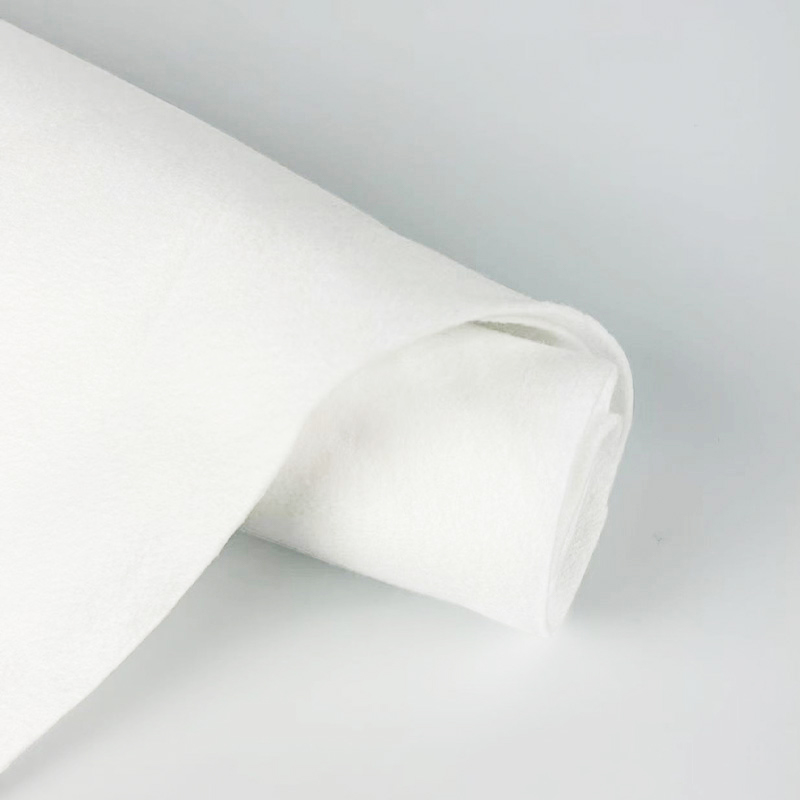
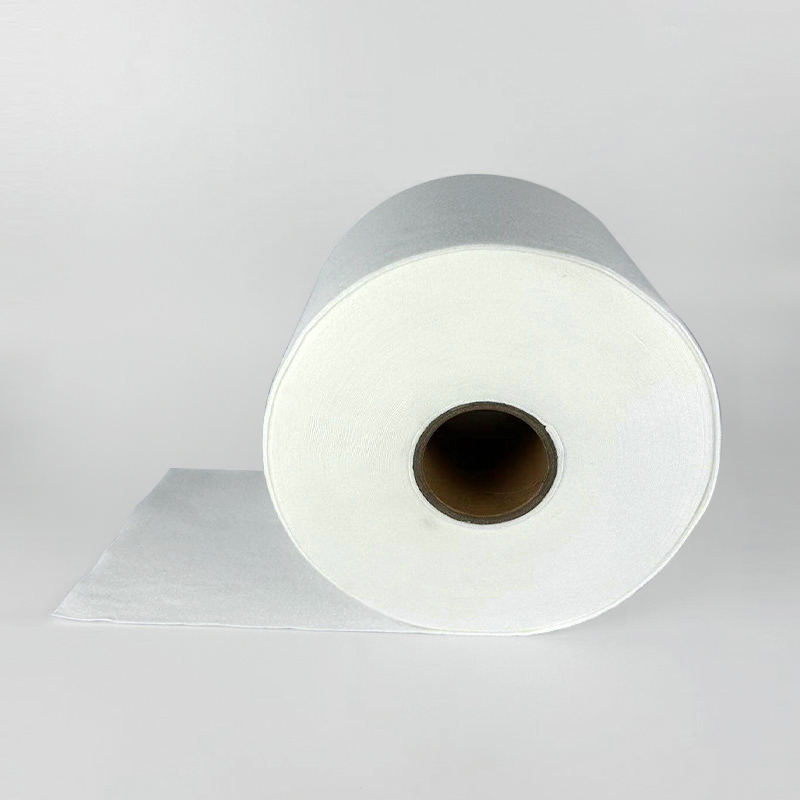
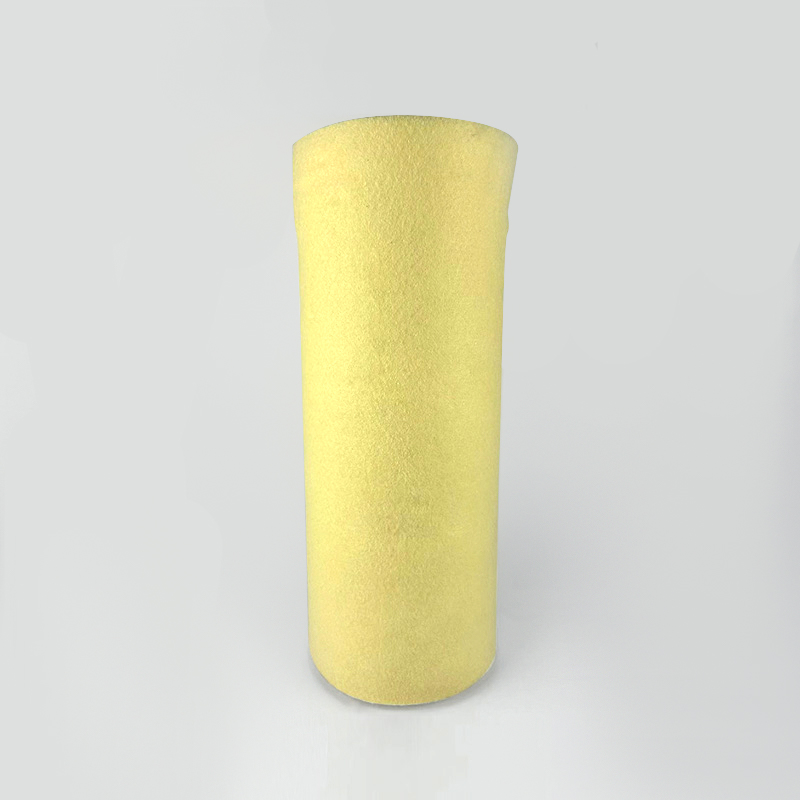
Needle punched nonwoven fabrics are a high-performance, versatile nonwoven material formed by mechanically interlocking fibers through repeated needling. This material stands out in the global nonwoven market with excellent structural stability, high strength, good permeability, and customizable physical properties, and has become an irreplaceable key material in construction, filtration, geotechnical engineering, automotive, packaging and other fields. Unlike woven and knitted fabrics, it does not rely on spinning and weaving processes, and has the advantages of low production cost, high production efficiency, and flexible formula design, and can meet the performance needs of different industries through adjustments of fiber types, needling density, and process parameters.
The core competitiveness of needle punched nonwoven fabrics lies in their controllable three-dimensional network structure, which gives them unique advantages in filtration efficiency, load-bearing capacity, and durability. In practical applications, this material can be formulated with polyester, polypropylene, nylon and other synthetic fibers or natural fibers such as cotton and hemp, and can achieve waterproof, flame-retardant, anti-UV, anti-corrosion, and other functional upgrades through post-finishing processes, fully reflecting its high practicality and wide adaptability.
The production of needle punched nonwoven fabrics is a systematic mechanical process, which is completed through multiple professional processes, and each link directly determines the final performance and quality of the product. The entire production line does not involve complex chemical reactions in the early stage, mainly relying on physical and mechanical action to form a stable fiber structure, which is also an important reason for its environmental protection and low energy consumption.
The first step in production is fiber selection, which is the basis for determining product performance. Manufacturers will select appropriate fiber raw materials according to the final use scenarios, including synthetic fibers and natural fibers. Synthetic fibers are the most widely used, mainly including polyester, polypropylene, polyethylene, nylon, etc., with high strength, corrosion resistance, and long service life; natural fibers such as cotton, hemp, and wool are mostly used in civilian and decorative products, with good comfort and biodegradability.
In actual production, multi-fiber blending is often used to balance performance and cost. For example, blending polyester and polypropylene fibers can combine the high strength of polyester and the low cost of polypropylene, making the final product suitable for general industrial scenarios. The blending ratio is precisely controlled according to the required tensile strength, softness, and weight of the finished product.
After fiber blending, the opening process is carried out to disperse the agglomerated fiber bundles into single loose fibers, removing impurities and short fibers at the same time to ensure the uniformity of the raw materials. The opened fibers enter the carding machine, where they are further combed into a uniform thin fiber web through the carding wire. The carding process is critical, as a uniform fiber web is the prerequisite for producing high-quality needle punched nonwoven fabrics with consistent thickness and performance.
The thin fiber web output by the carding machine is stacked into a thick fiber web of a specified thickness through the lapping machine, which can adjust the weight and thickness of the final product. The stacked fiber web has low initial strength and needs to be pre-needled to preliminarily fix the fiber structure, preventing displacement and deformation during the formal needling process. Pre-needling uses needles with a low needling density to gently interlock the surface fibers.
Main needling is the core process of manufacturing needle punched nonwoven fabrics. The needle board equipped with a large number of special barbed needles moves up and down repeatedly, and the barbs on the needle body drive the surface and internal fibers of the fiber web to penetrate up and down, forming a three-dimensional interlocking structure between fibers. The needling density directly affects the compactness, strength and hand feeling of the fabric: high needling density makes the fabric compact and high in strength, while low needling density makes the fabric soft and porous.
The semi-finished product after main needling can be upgraded through post-finishing processes to expand its application scope. Common post-finishing processes include calendaring, coating, flame retardant treatment, anti-UV treatment, waterproof treatment, etc. Calendaring can smooth the surface of the fabric and improve its compactness; coating can endow the fabric with waterproof and oil-proof properties; flame retardant treatment makes the fabric meet the safety standards of construction and automotive industries.
The performance of needle punched nonwoven fabrics is determined by fiber raw materials, process parameters and post-finishing, and its core properties cover mechanical properties, permeability, stability, functional properties, etc. These properties make it adaptable to extreme environments such as high strength, corrosion, and high humidity, and meet the strict requirements of industrial applications.
Mechanical properties are the most important indicators of needle punched nonwoven fabrics for industrial applications. The three-dimensional interlocking fiber structure gives the material excellent tensile strength, tear resistance and puncture resistance. High-quality needle punched nonwoven fabrics can withstand long-term tensile loads without deformation, and their tear strength is much higher than that of ordinary bonded nonwoven fabrics. In geotechnical engineering applications, this mechanical property can effectively prevent soil erosion and bear the pressure of the soil layer, ensuring the stability of the project.
In addition, the elongation at break of the fabric is controllable. By adjusting the needling density and fiber type, products with high elongation or low elongation can be produced to adapt to different application scenarios. For example, geotextiles need moderate elongation to adapt to ground deformation, while industrial filter fabrics need low elongation to maintain filtration accuracy.
Needle punched nonwoven fabrics have a naturally porous structure, with adjustable porosity ranging from loose to compact. This structure gives them excellent water permeability, air permeability and filtration permeability. In drainage applications, the fabric can quickly guide water flow while blocking fine soil particles; in filtration applications, it can intercept solid particles in gas or liquid while ensuring the smooth flow of fluid, achieving a balance between filtration efficiency and flow rate.
Most synthetic fiber-based needle punched nonwoven fabrics have excellent chemical stability, resistant to acid, alkali, salt, oil and other chemical corrosion, and will not degrade or deteriorate in harsh chemical environments. Polypropylene and polyester nonwoven fabrics have strong anti-UV and anti-mildew properties, and can be used outdoors for a long time without aging, cracking or strength loss. The service life of outdoor needle punched nonwoven fabrics can reach more than 5 years, which is far better than that of ordinary textile materials.
The thermal stability of the fabric varies with fiber types. Polyester needle punched nonwoven fabrics can withstand high temperatures, while polypropylene products are suitable for normal temperature environments. Through functional finishing, the fabric can obtain flame retardant, antistatic, sound insulation, heat preservation and other properties, expanding its application in automotive interior, construction insulation, electrical insulation and other fields.
In the modern material market, needle punched nonwoven fabrics compete with woven fabrics, knitted fabrics, bonded nonwoven fabrics and other materials. Their unique process and structure bring obvious comprehensive advantages, which are the key to their rapid growth in market demand.
Bonded nonwoven fabrics rely on chemical adhesives to fix fibers, with low strength and poor durability, and are prone to fiber shedding and strength loss in high-load and harsh environments. Needle punched nonwoven fabrics are formed by mechanical interlocking of fibers, no chemical adhesives are added, with higher strength, better environmental protection, and no pollution caused by adhesive volatilization. In addition, bonded nonwoven fabrics have poor permeability and are difficult to apply in filtration and drainage fields, while needle punched products have natural advantages in these scenarios.
Needle punched nonwoven fabrics balance cost, performance and environmental protection, and have the characteristics of high strength, good permeability, customizable functions, long service life and low cost. They are the optimal choice for replacing traditional textiles in industrial, civil and construction fields, and their market penetration rate is increasing year by year.
Thanks to their excellent comprehensive performance, needle punched nonwoven fabrics are widely used in various industries, covering geotechnical engineering, environmental protection filtration, automotive manufacturing, construction engineering, medical treatment, packaging, agriculture and other fields, and play an irreplaceable role in each field.
Geotextiles made of needle punched nonwoven fabrics are one of the most widely used products. They are used in road and railway construction, river management, slope protection, landfill engineering, etc., mainly playing the roles of isolation, filtration, drainage, reinforcement and protection. In road infrastructure construction, geotextiles can effectively improve the bearing capacity of the roadbed and extend the service life of the road by more than 30%. They isolate the soil layers of different particles, prevent mud mixing, and at the same time drain the water in the roadbed to avoid road damage caused by water accumulation.
Filtration is a core application field of needle punched nonwoven fabrics, including liquid filtration and gas filtration. In sewage treatment, the fabric intercepts suspended solids and impurities in the water to achieve water purification; in industrial waste gas treatment, it is made into filter bags to capture dust particles, with filtration efficiency meeting national environmental protection standards. The adjustable porosity of needle punched nonwoven fabrics makes them suitable for filtration systems with different precision requirements, and they are widely used in steel, cement, chemical, food and other industries.
The automotive industry has a huge demand for needle punched nonwoven fabrics, which are used in automotive interiors, sound insulation layers, heat insulation layers, trunk linings, door interior panels, etc. The fabric has the advantages of light weight, sound insulation, heat preservation, flame retardant and easy processing, which can reduce the overall weight of the car, improve fuel economy, and enhance the comfort and safety of the car interior. At the same time, it can be customized with different colors and hand feelings to meet the design requirements of automotive interiors.
In the construction field, needle punched nonwoven fabrics are used as waterproof base fabrics, insulation materials, sound insulation mats, wall covering base materials, etc. They have good compatibility with building materials, can enhance the tensile strength of waterproof layers, improve the insulation and sound insulation effects of buildings, and are easy to construct and low in cost. Flame retardant needle punched nonwoven fabrics meet the fire safety standards of public buildings and are widely used in ceiling and wall insulation systems.
Agricultural needle punched nonwoven fabrics are used as crop mulch, frost protection cloth, seedling raising mats, etc., with heat preservation, moisture retention, ventilation and weed control effects, which can increase crop yields. In the packaging field, they are used as buffer packaging materials, protective linings, etc., with good shock absorption and anti-wear properties, replacing traditional foam materials with better environmental protection and degradability.
Needle punched nonwoven fabrics can be divided into different categories according to fiber raw materials, use scenarios, and functional properties. The following table classifies common products by fiber types and compares their core properties and application fields to help readers quickly select suitable products.
| Fiber Type | Core Strengths | Limitations | Main Application Fields |
|---|---|---|---|
| Polyester | High strength, UV resistance, good stability | High cost | Geotextile, outdoor filtration, construction |
| Polypropylene | Low cost, corrosion resistance, light weight | Poor heat resistance | Packaging, agriculture, and general filtration |
| Nylon | High wear resistance, good toughness | High cost, poor UV resistance | Automotive interiors, industrial wear parts |
| Natural Fiber | Biodegradable, good comfort | Low strength, short service life | Civil products, decorative materials |
To give full play to the performance of needle punched nonwoven fabrics, it is necessary to select appropriate products according to actual application scenarios, environmental conditions, and performance requirements. The correct selection can reduce costs and ensure the service life and use effect of the product.
For outdoor long-term use scenarios, polyester fiber products with strong UV resistance and weather resistance should be selected; for acidic and alkaline chemical environments, polypropylene fiber products with excellent corrosion resistance are preferred; for civil and decorative scenarios with environmental protection requirements, natural fiber or biodegradable synthetic fiber products are more suitable; for high-wear-resistance scenarios, nylon fiber products are the best choice.
The weight (unit: g/m²) and thickness of needle punched nonwoven fabrics directly determine their strength and permeability. Lightweight products (100-300g/m²) are suitable for packaging, agricultural mulch and other scenarios with low strength requirements; medium-weight products (300-800g/m²) are suitable for automotive interiors, general filtration, and other fields; heavyweight products (above 800g/m²) are used in geotechnical engineering, high-strength filtration and other high-load scenarios.
High needling density is required for scenarios requiring high compactness and strength, while low needling density is suitable for scenarios requiring high permeability. For special needs such as waterproof, flame-retardant, and anti-static, it is necessary to select products with corresponding post-finishing treatments. Before selection, it is necessary to clarify the performance indicators required for use to avoid mismatched product performance.
With the development of global industrialization, environmental protection requirements and technological innovation, the needle punched nonwoven fabric industry is moving towards high performance, environmental protection, intelligence and multi-functionality, and its market scale and application scope will continue to expand.
Global environmental protection policies are becoming increasingly strict, and traditional non-degradable synthetic fiber products are gradually restricted. The research and development and application of biodegradable needle punched nonwoven fabrics have become the core trend of the industry. Using polylactic acid (PLA), chitin, plant fibers and other biodegradable raw materials, the products can be naturally degraded after use, reducing environmental pollution. Biodegradable needle punched nonwoven fabrics will occupy more than 40% of the market share in the next decade, becoming the mainstream of civilian and packaging applications.
The demand for high-performance products in industrial applications is increasing, requiring needle punched nonwoven fabrics to have high temperature resistance, high pressure resistance, high filtration accuracy, anti-corrosion and other composite properties. Manufacturers will adopt multi-fiber blending, nano-technology modification, precision needling and other processes to produce customized products for special scenarios such as aerospace, medical health, and industrial high-temperature filtration, improving the added value of products.
Intelligent production lines will be widely used in the manufacturing of needle punched nonwoven fabrics, realizing automatic control of fiber blending, needling density, post-finishing and other links, improving product consistency and production efficiency, and reducing production costs and energy consumption. The optimized process will further improve the performance of the fabric and reduce the generation of waste materials, realizing green and low-carbon production.
In addition to traditional fields, needle punched nonwoven fabrics will be widely used in emerging fields such as new energy batteries, medical protection, electronic equipment, and marine engineering. In new energy batteries, they are used as separator materials with good permeability and insulation properties; in medical protection, high-barrier and antibacterial products meet the safety requirements of medical scenarios; in marine engineering, anti-corrosion and high-strength products are used for marine protection and offshore platform construction.
Needle punched nonwoven fabrics are an excellent nonwoven material with mechanical interlocking fiber structure as the core, integrating high strength, good permeability, customizable functions and low cost advantages. Its complete manufacturing process, controllable performance indicators, and wide range of industry applications make it occupy an important position in the global textile and industrial material markets.
From geotechnical engineering ensuring infrastructure stability to environmental protection filtration purifying water and air, from automotive interiors improving driving comfort to agricultural mulch increasing crop yields, needle punched nonwoven fabrics have penetrated into all aspects of production and life. With the advancement of environmental protection technology and intelligent manufacturing, this material will continue to innovate and upgrade, and play a greater role in more emerging fields, becoming one of the key basic materials promoting industrial development and environmental protection progress.

Enterprise tenet: service-based, quality for survival, science and technology for development
 +86-15151778356
 No. 121 Huangnilou, Yangqiao Village, Zhitang Town, Changshu City, Jiangsu Province, China
Copyright © Changshu Mingyun Hongshun Non woven Products Co., Ltd. All Rights Reserved. Custom OEM/ODM Environmental Nonwoven Fabrics Products Manufacturers


 English
 中文简体
中文简体 русский