2026-04-08
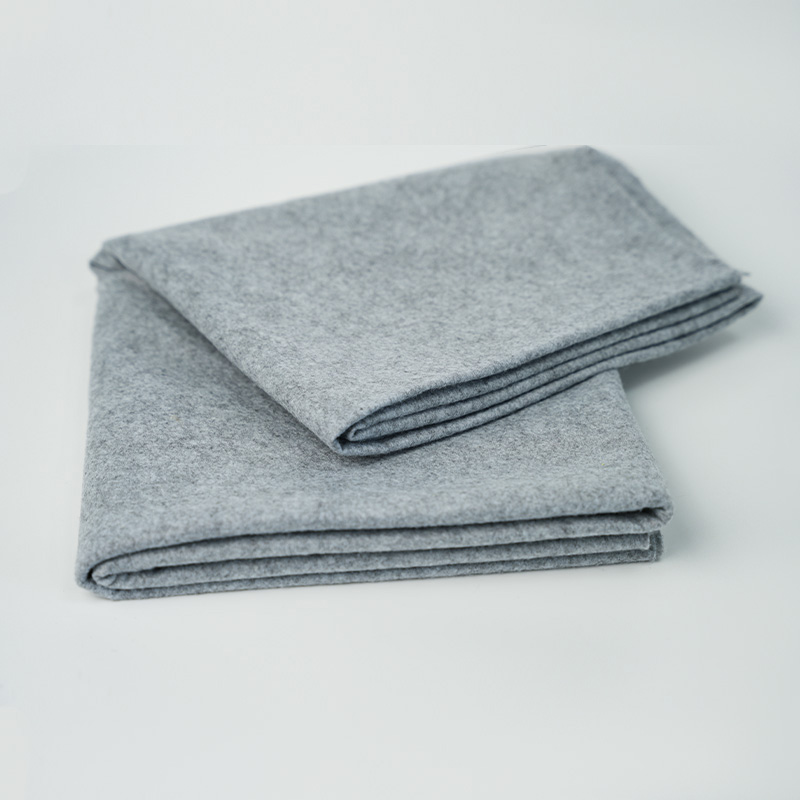
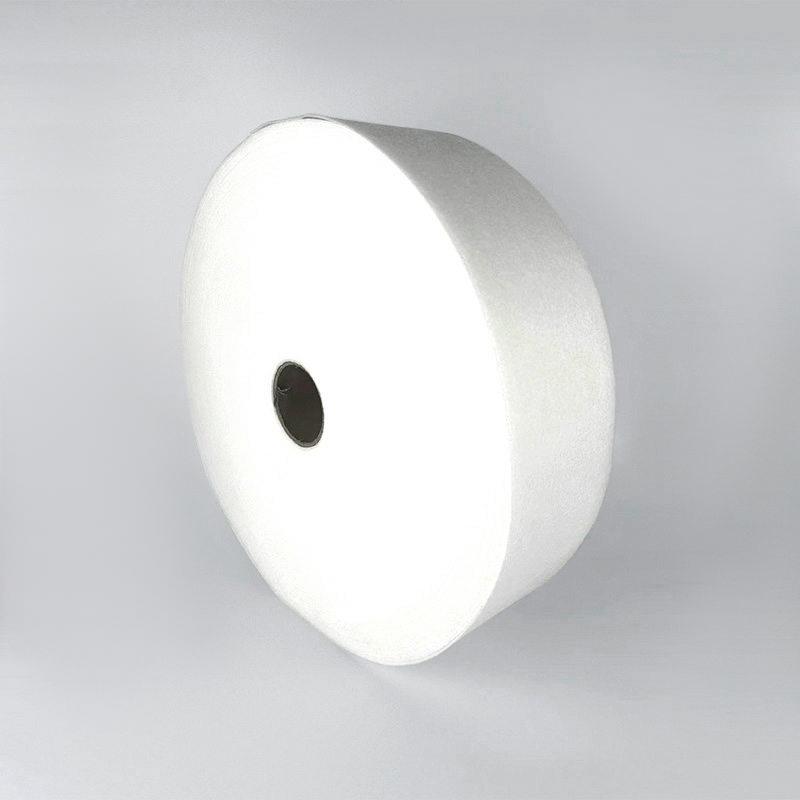
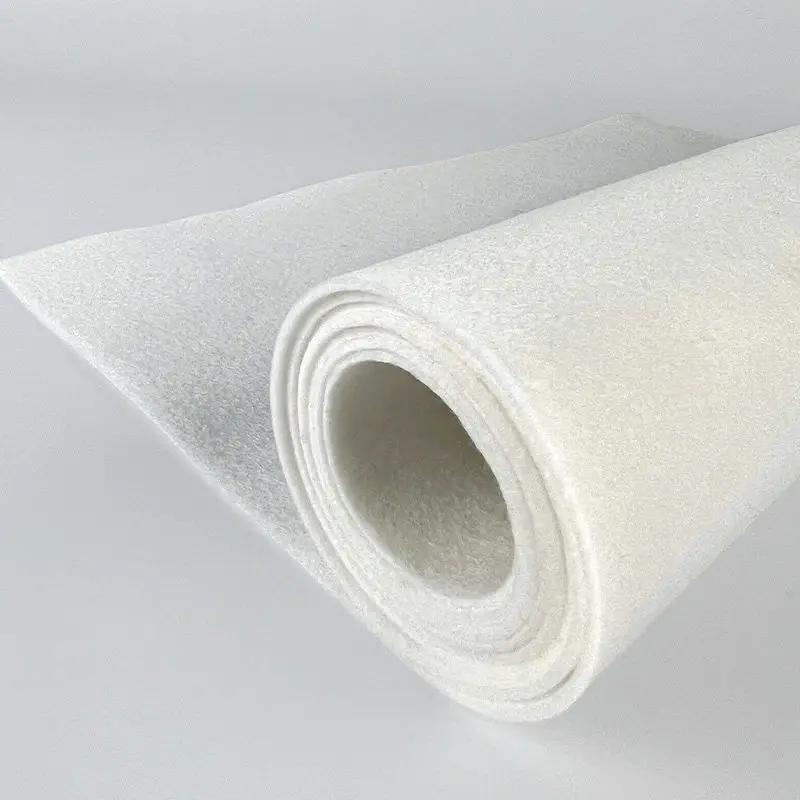
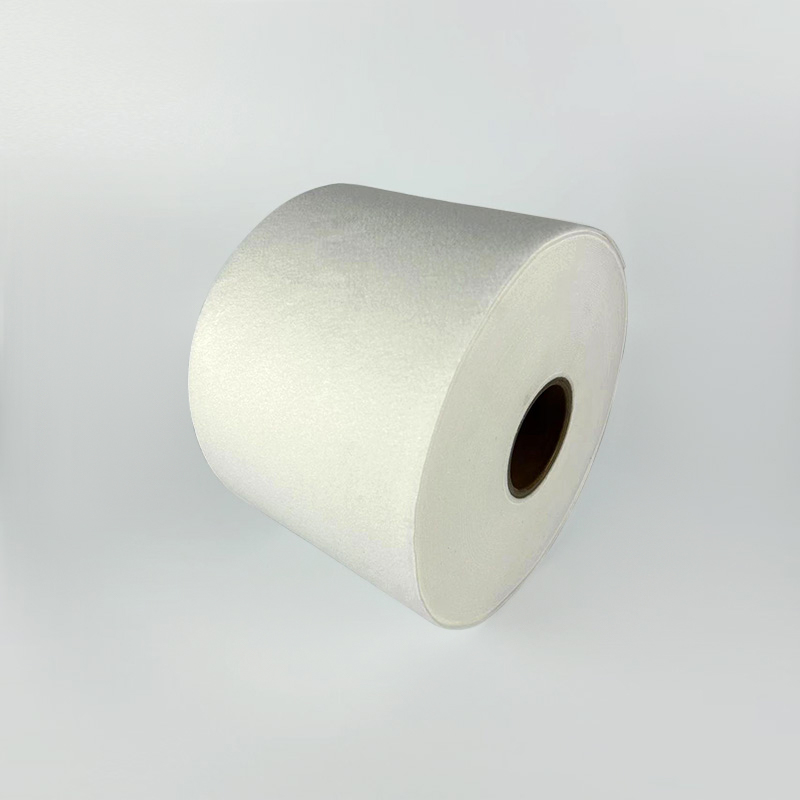
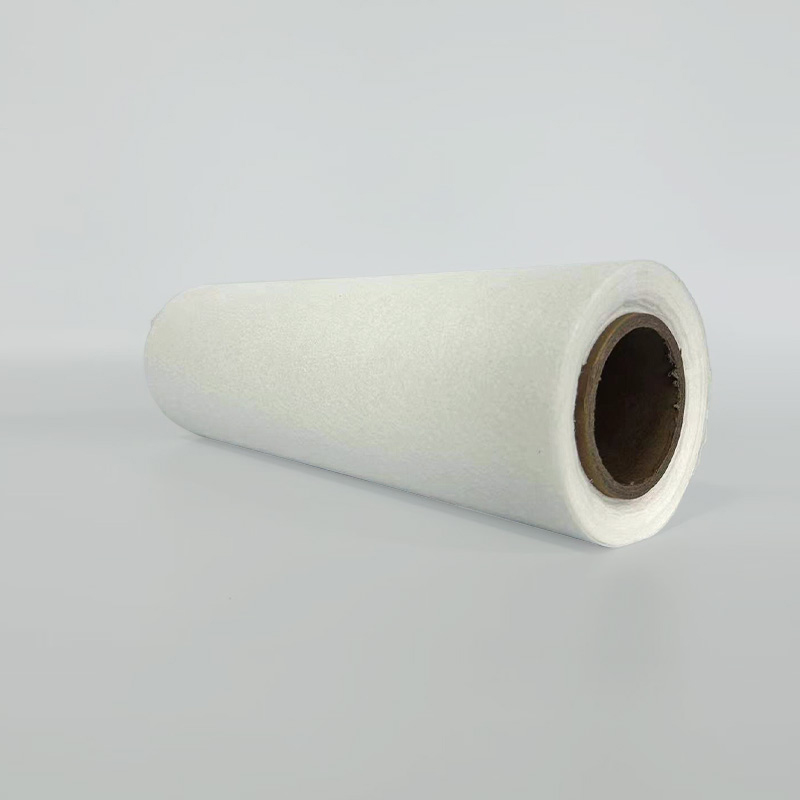
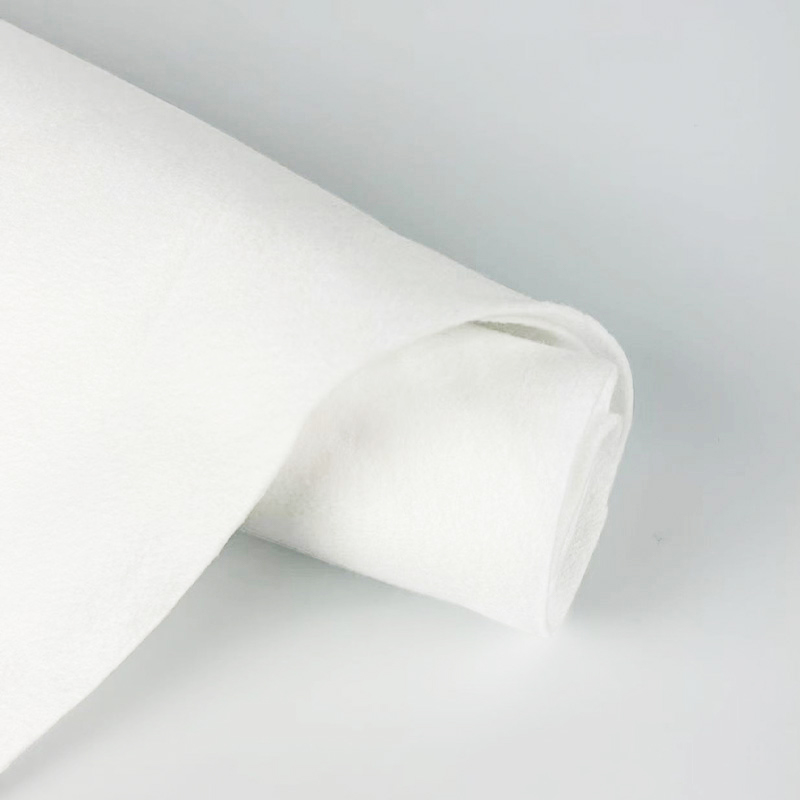
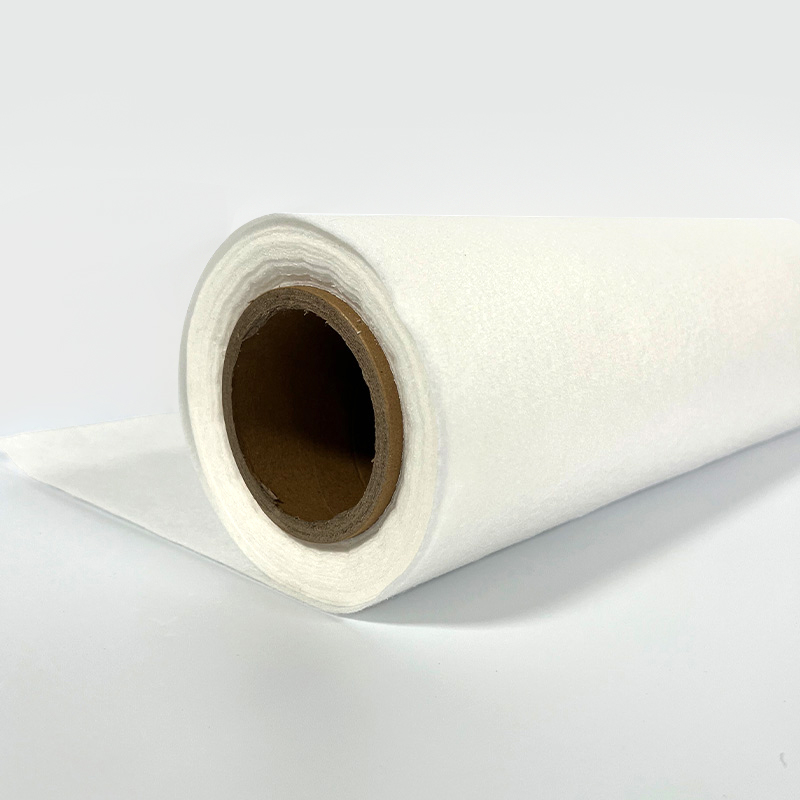
Needle-punched nonwoven fabrics represent a category of textile material formed not by weaving or knitting, but through the mechanical interlocking of fibers. Unlike traditional fabrics that rely on a loom to create a cross-hatch pattern, these materials derive their structural integrity from the physical entanglement of a fiber web.
These fabrics are distinct from other nonwovens, such as spunbond or meltblown varieties, because they do not require thermal or chemical binders to hold the fibers together. Instead, the process utilizes barbed needles to repeatedly pierce a loose fiber batt, causing the fibers to tangle and hook around one another. This results in a cohesive, strong, and often bulky material that retains high porosity.
The creation of needle punched fabrics involves a series of precise mechanical stages designed to transform raw fibers into a stable sheet. The process begins with fiber preparation, where various raw materials are blended to achieve the desired properties for the end-use application. This blend is then carded or aerodynamically laid to form a uniform web.
Once the web is formed, it is fed into a needle loom. This machine houses hundreds or even thousands of barbed needles that move in a vertical, reciprocating motion. As these needles punch down into the fiber web, they drag fibers from the top layer to the bottom. When the needle retracts, the fiber loops remain entangled, locking the structure in place.
One of the most significant advantages of needle-punched technology is the ability to engineer fabrics with specific performance characteristics. Because the structure is based on mechanical entanglement rather than chemical fusion, the resulting material often retains the inherent qualities of the raw fibers used, such as absorbency, softness, or heat resistance.
These fabrics are generally known for their dimensional stability and resistance to fraying. They can be engineered to be soft and flexible or stiff and rigid, depending on the end-use requirements. Furthermore, the open pore structure created by the needle punching process allows for excellent air and moisture permeability, which is critical for filtration and geotextile applications.
The utility of needle-punched nonwoven fabrics spans a vast array of industries, from heavy-duty civil engineering to delicate medical settings. Their adaptability stems from the ability to customize the fiber blend and the punch density to suit the environmental demands of the application.
In the realm of geotechnical engineering, these fabrics serve as separators and stabilizers in road construction and landfills. In the automotive sector, they are used for carpet backing, insulation, and trunk liners due to their sound-damping qualities. Additionally, they are prevalent in the home textile industry for bedding, upholstery padding, and wall coverings.
| Industry Sector | Common Application |
|---|---|
| Filtration | Baghouse filters for industrial dust collection |
| Agriculture | Crop covers and root protection mats |
| Fashion | Fusible interlinings and insulation layers |
While needle punching is a dominant force in the nonwoven industry, it is essential to understand how it differs from competing technologies such as thermal bonding or chemical saturation. Each method has its own set of trade-offs regarding cost, strength, and environmental impact.
Chemically bonded nonwovens often involve the application of latex or resin, which can make the fabric stiff and less breathable. Thermally bonded fabrics require fibers that can melt at specific temperatures, which limits the choice of raw materials. In contrast, needle-punched fabrics maintain the natural "hand feel" of the fiber and are often more environmentally friendly as they do not introduce chemical binders into the waste stream.
| Feature | Needle Punched | Chemically Bonded |
|---|---|---|
| Binding Method | Mechanical entanglement | Latex or resin application |
| Fabric Feel | Softer, more fibrous | Stiffer, board-like |
As the global textile industry moves towards more sustainable practices, needle-punched nonwovens are poised to play a significant role. The mechanical nature of the process allows for the easy incorporation of recycled fibers, including post-consumer plastics and reclaimed natural fibers, without compromising the structural integrity of the final product.
Furthermore, because the process does not involve the curing ovens required for thermal bonding, it generally has a lower energy footprint. The ability to create durable, long-lasting products from recycled content makes this technology a key player in the circular economy. Future developments are likely to focus on biodegradable fiber blends and even more efficient manufacturing techniques to reduce waste and energy consumption further.

Enterprise tenet: service-based, quality for survival, science and technology for development
 +86-15151778356
 No. 121 Huangnilou, Yangqiao Village, Zhitang Town, Changshu City, Jiangsu Province, China
Copyright © Changshu Mingyun Hongshun Non woven Products Co., Ltd. All Rights Reserved. Custom OEM/ODM Environmental Nonwoven Fabrics Products Manufacturers


 English
 中文简体
中文简体 русский