2026-04-01
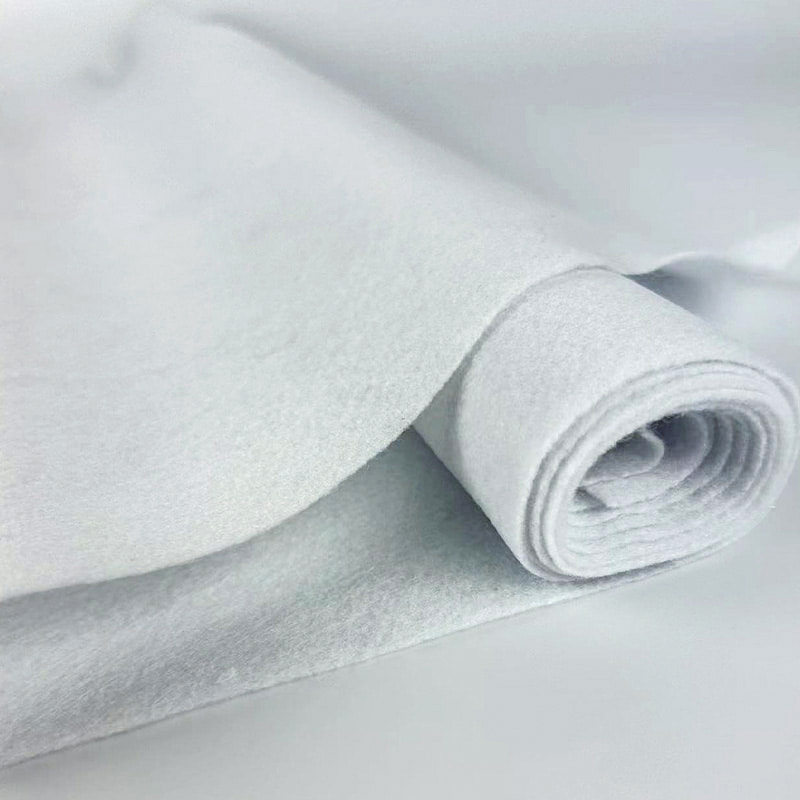
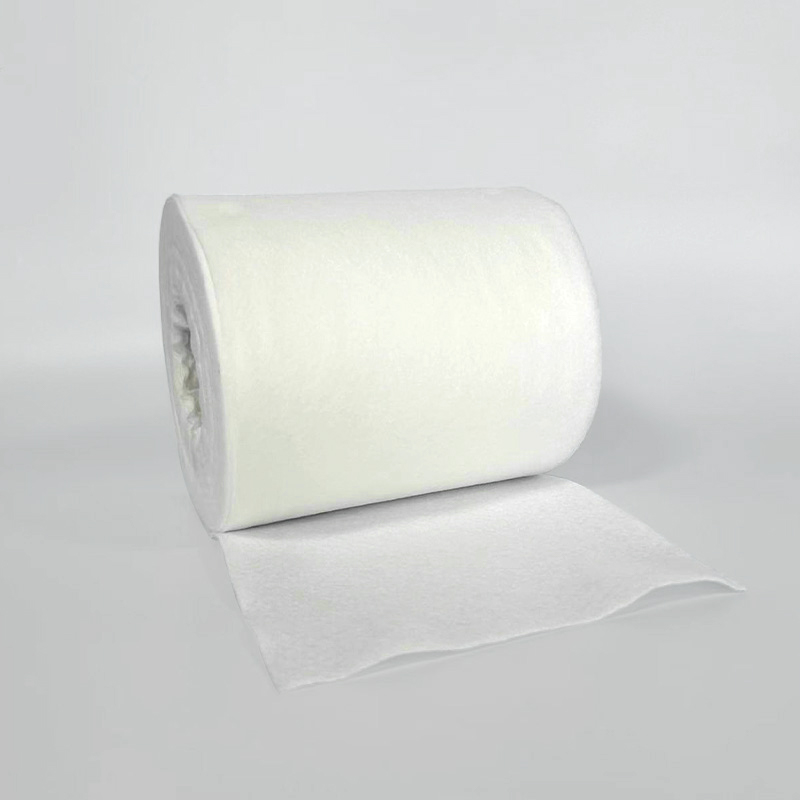
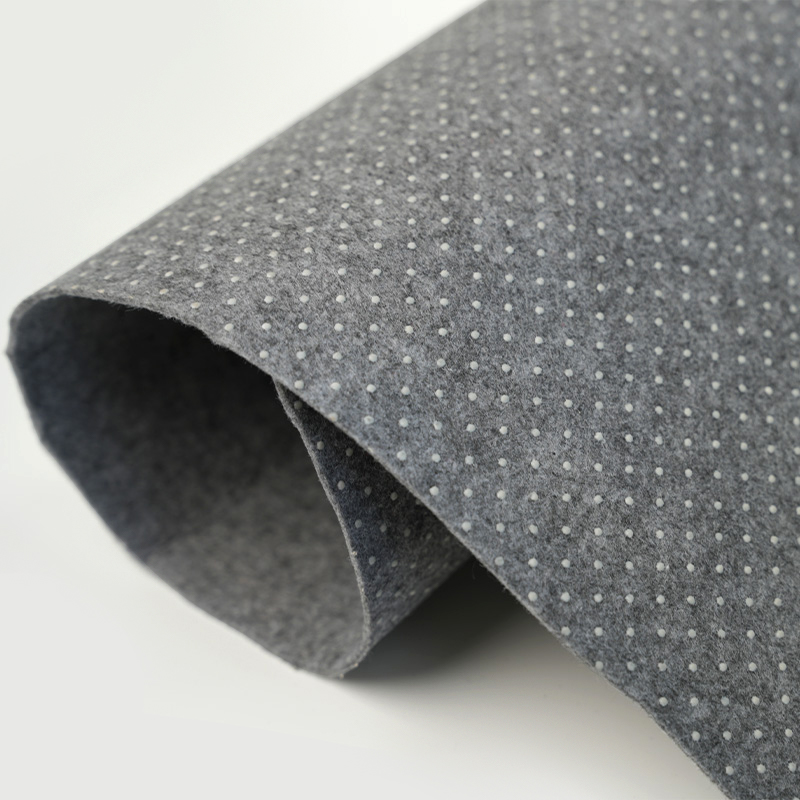
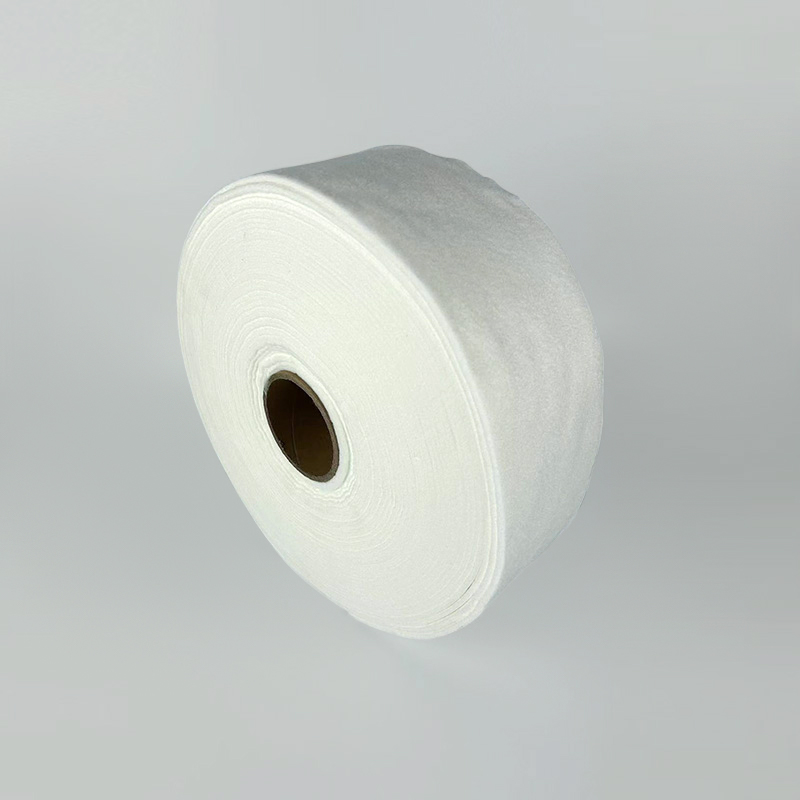
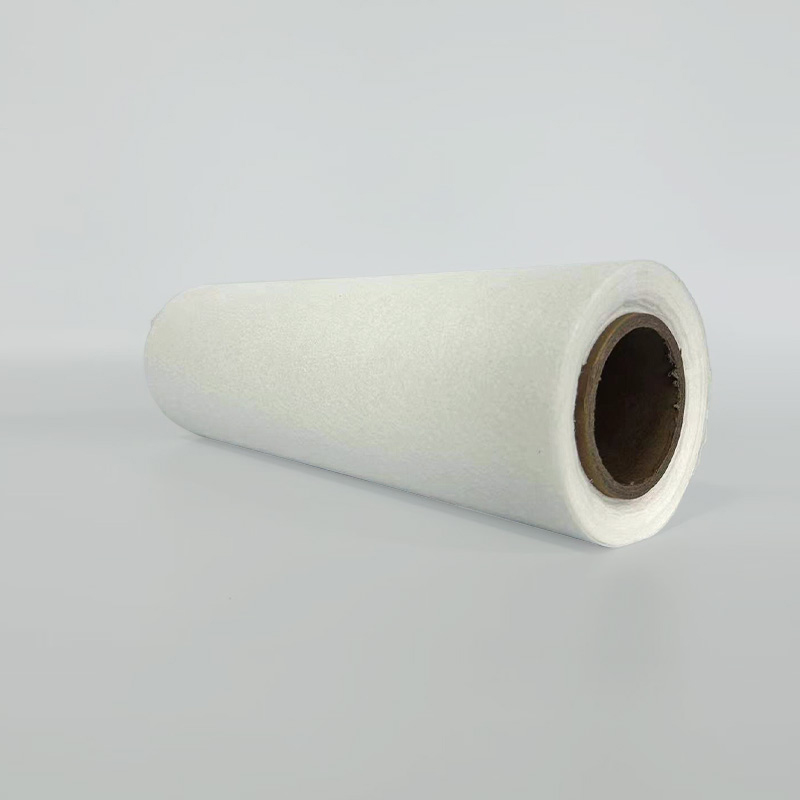
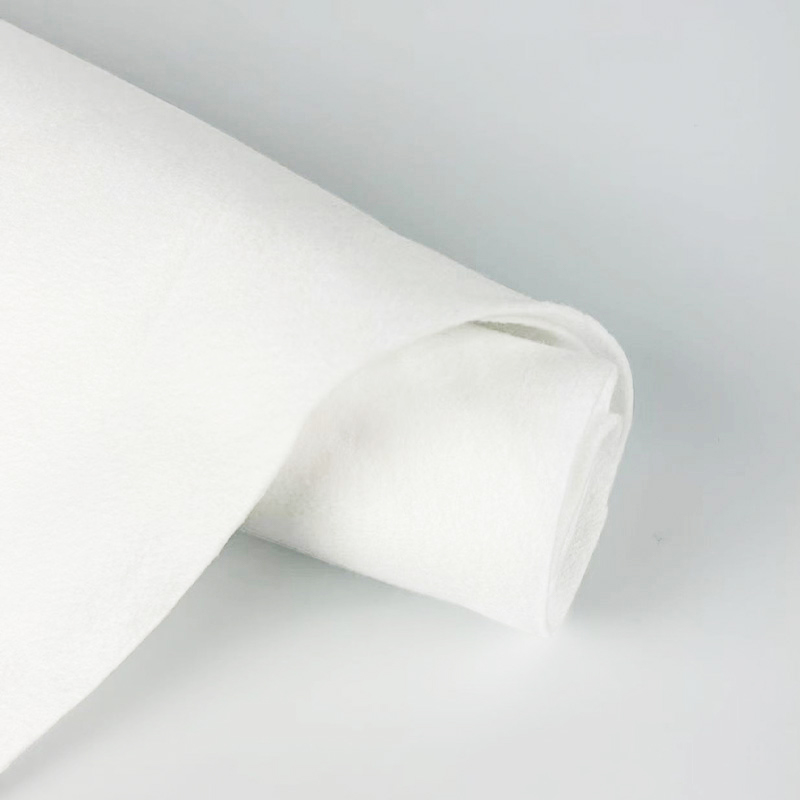
Needled cotton, often referred to as needle-punched cotton, is a non-woven textile material created through a mechanical entanglement process. Unlike traditional woven or knitted fabrics that rely on yarns being spun and interlaced, needled cotton is formed directly from fibers. The defining characteristic of this material is its lack of a binder or adhesive. Instead, it relies entirely on barbed needles physically interlocking the fibers to create a stable, cohesive fabric. This results in a material that is highly porous, compressible, and structurally sound without the use of chemicals or heat-bonding agents. It is widely used across industries ranging from automotive insulation to healthcare products due to its versatility and cost-effectiveness.
The creation of needled cotton is a fascinating interplay of raw material selection and mechanical engineering. The process is continuous and efficient, allowing for high-volume production of textile materials with specific, engineered properties.
The quality of the final product is heavily dependent on the initial fiber choice. Manufacturers can use a wide variety of fibers, including natural options like cotton, wool, and jute, or synthetic fibers such as polyester, polypropylene, and acrylic. In many commercial applications, a blend of fibers is used to balance cost and performance. For instance, recycled fibers are often blended with virgin synthetic fibers to reduce waste and cost. The fibers must first be opened and blended, a process that separates clumps of raw fiber into individual filaments and ensures a uniform distribution throughout the mix. Uniform blending is critical to prevent weak spots in the final fabric.
Once the fibers are prepared, they are processed through a carding machine. This machine uses rotating drums covered in fine wires to comb the fibers into a thin, web-like layer. This web is extremely light and fragile. To create a usable substrate, multiple layers of this web are cross-lapped. This involves laying the webs on top of one another in alternating directions. Cross-lapping is essential because it imparts strength to the fabric in both the longitudinal and transverse directions. Without this step, the needled cotton would possess strength only in the machine direction, making it prone to tearing when pulled widthwise.
This is the core stage where the loose fiber web transforms into a fabric. The material is passed under a needle loom, which houses thousands of barbed needles. These needles are mounted on a board that moves up and down at high speed. As the needles penetrate the fiber web, the barbs catch tufts of fiber and push them vertically through the layers. When the needles retract, the fiber tufts remain entangled. This vertical entanglement creates a friction bond that holds the structure together. The density and strength of the needled cotton can be controlled by adjusting the penetration depth of the needles and the number of punches per unit area, known as punch density. High punch density results in a denser, firmer fabric, while lower punch density yields a softer, fluffier material.
Needled cotton possesses a unique set of physical characteristics that make it suitable for demanding applications. Because it is mechanically bonded, it retains many of the inherent properties of the constituent fibers while gaining structural stability.
One of the most significant advantages of needled cotton is its open structure. Since the manufacturing process does not involve binders or thermal melting, the material retains a high degree of porosity. This makes it exceptionally breathable. Air can pass freely through the material, making it an excellent choice for applications requiring ventilation, such as shoe insoles or filtration media. The absence of chemical binders also means the fabric does not trap heat, preventing overheating.
The three-dimensional structure of needled cotton traps air within the fiber matrix. Air is a poor conductor of heat, which effectively turns the material into a thermal insulator. This property is utilized in the automotive industry for hoodliners and dashboard insulation, as well as in the construction industry for wall insulation panels. The thickness of the needled cotton can be easily adjusted during the cross-lapping process to increase the R-value (thermal resistance) without significantly increasing the weight.
Similar to its ability to trap heat, the porous nature of needled cotton makes it an effective acoustic absorber. When sound waves enter the material, they travel through the tortuous path created by the entangled fibers. The friction between the air particles and the fiber surface converts the sound energy into heat, thereby dampening the noise. This is why needled cotton is frequently found in car interiors, speaker boxes, and machinery covers to reduce noise pollution.
Needled cotton exhibits excellent compressibility. It can be squeezed into a fraction of its original volume and will typically spring back to its original shape due to the elasticity of the fibers used. However, the resilience depends on the fiber type. Polyester needled cotton tends to have higher resilience and memory compared to cotton or rayon variants, which may compact over time. This property is crucial for applications like mattress pads and upholstery, where the material must withstand repeated compression without losing its loft.
| Property | Benefit | Typical Application |
| High Porosity | Excellent Air Flow | Filtration, Insoles |
| Thermal Insulation | Temperature Regulation | Automotive Insulation, Winter Wear |
| Acoustic Dampening | Noise Reduction | Car Interiors, Wall Panels |
| Mechanical Bond | No Chemical Binders | Medical/Hygiene Products |
The versatility of needled cotton allows it to be utilized in a broad spectrum of products. Its applications are often hidden from view, serving as a functional layer rather than an aesthetic surface.
The automotive sector is one of the largest consumers of needled cotton. It is used extensively for interior lining, trunk liners, and headliners. In these applications, the material provides a soft touch, reduces vibration, and offers thermal insulation to protect the car's interior from engine heat. Needled cotton made from recycled PET bottles is increasingly popular in this sector to improve vehicle sustainability ratings. The material helps manufacturers meet strict noise, vibration, and harshness (NVH) standards while keeping vehicle weight low, which contributes to better fuel efficiency.
In the home sector, needled cotton serves as a core component in mattresses, furniture upholstery, and quilts. It acts as a padding layer that provides cushioning and comfort. Unlike foam, which can degrade and release volatile organic compounds (VOCs), needled cotton is often preferred for "green" or organic bedding products because it can be made entirely from natural fibers. It offers firmer support compared to soft foam, making it ideal for futons and mattress toppers. Furthermore, its breathability prevents moisture buildup, which helps in maintaining hygiene and extending the life of the furniture.
Filtration is a critical application where the structure of needled cotton is fully exploited. The three-dimensional fiber maze acts as a sieve for particles. By varying the fiber density and thickness, manufacturers can design filters for specific micron ratings. Needled cotton is used in air filters for HVAC systems, liquid filters for industrial processes, and even in vacuum cleaner bags. The ability to use chemically resistant synthetic fibers like polypropylene allows these filters to operate in harsh chemical environments without degrading.
In the apparel industry, needled cotton is primarily used as an interlining material. It provides structure and warmth to winter coats and jackets. It is also a staple material in the craft industry, particularly for quilting and making handmade bags. Crafters appreciate it because it does not require pre-washing to avoid shrinkage (unlike woven cotton), and it does not fray at the edges. It acts as a stable base for embroidery and decorative stitching.
To truly understand the value proposition of needled cotton, it is helpful to compare it with other common non-woven manufacturing techniques, such as Spunbond and Thermal Bonding.
Spunbond fabrics are made by continuously spinning filaments and laying them directly onto a conveyor belt, followed by bonding. Spunbond fabrics typically have higher tensile strength and are thinner than needled cotton. However, they are often stiffer and less bulky. Needled cotton is superior when thickness, loft, and compressibility are required. While spunbond is ideal for shopping bags or disposable medical gowns, needled cotton is better suited for padding, insulation, and heavy-duty wipes.
Thermally bonded fabrics rely on heat to melt fusible fibers or powders, locking the web together. This process creates a flat, paper-like texture. While thermal bonding is faster and cheaper for lightweight materials, it reduces breathability. Needled cotton, being mechanically bonded, retains maximum air permeability. Additionally, thermal bonding can create a "crispy" hand feel, whereas needled cotton maintains a textile-like, soft texture. In applications where the material must absorb liquids or allow airflow, needled cotton is the clear winner.
Traditionally, padding and wadding were bonded using chemical sprays or latex adhesives. While this method is cost-effective, it introduces chemicals into the product that can off-gas or cause skin irritation. This is a significant drawback for users with chemical sensitivities. Needled cotton avoids this issue entirely. Since the entanglement is physical, the material is free from chemical binders, making it hypoallergenic and suitable for sensitive applications like baby products and medical dressings.
As global industries shift towards more sustainable practices, the role of needled cotton is becoming increasingly prominent. The textile industry has historically been a major polluter, but needle-punch technology offers several eco-friendly advantages.
The needle-punching process is exceptionally forgiving regarding fiber length and quality. This allows manufacturers to utilize recycled materials that would otherwise end up in landfills. A significant volume of needled cotton is produced using recycled PET bottles or textile clippings. By diverting waste from disposal sites and converting it into useful insulation or padding, the industry creates a circular economy model. This capability makes needled cotton a leader in sustainable textile manufacturing.
Compared to weaving or knitting, which require extensive energy to spin yarns and operate looms, the needle-punch process is relatively energy-efficient. Even more importantly, it eliminates the energy-intensive drying ovens required for chemical bonding. The primary energy consumption comes from driving the needle looms, but the overall carbon footprint per ton of fabric is often lower than that of conventional textiles.
When produced using natural fibers such as virgin cotton, wool, or hemp, needled cotton is fully biodegradable. At the end of its product life, it can be composted, returning nutrients to the soil. This contrasts sharply with synthetic foams and plastics which persist in the environment for centuries. Even when synthetic fibers are used, the lack of chemical binders simplifies the recycling process compared to composite materials.
For engineers, designers, and procurement officers, selecting the correct specification of needled cotton is vital for product performance. There are several technical parameters to consider when specifying this material.
The choice of fiber dictates the final properties of the fabric. Polyester offers durability and resilience, making it ideal for automotive applications. Polypropylene offers chemical resistance for filtration. Natural fibers like cotton offer softness and biodegradability for hygiene products. Blends can be engineered to combine these properties; for example, a blend of cotton and polyester might offer the softness of cotton with the durability of polyester.
Needled cotton is specified by its weight per unit area (usually grams per square meter, or GSM) and its thickness (usually millimeters). A heavier GSM indicates a denser, more robust material. Thickness relates to the "loft" of the fabric. For insulation, a high-loft (thick) but low-density fabric is preferred to trap air. For polishing pads, a thinner, high-density fabric is required for abrasion resistance.
The technical setup of the needle loom affects the surface texture. High punch density creates a smooth, firm surface that resembles felt. This is often used for polishing or when a smooth aesthetic is required. Low punch density results in a fuzzy, high-loft texture that is better for padding. Additionally, the type of needle used (fork needles vs. barbed needles) can create different textures, such as ribbed or velour surfaces, often seen in automotive carpets.
| Specification | Low Range | High Range | Resulting Feature |
| Weight (GSM) | 100 - 200 | 500 - 1000+ | Durability and Cost |
| Thickness (mm) | 2 - 5 | 10 - 30+ | Insulation and Softness |
| Punch Density | Loose Structure | Firm/Felt-like | Surface Texture |
While needled cotton is often used as an internal component, products made primarily from it (such as futons or filters) require specific care to maintain longevity.
Needled cotton generally should not be machine-washed, especially if it is high-loft. The agitation of a washing machine can cause the fibers to migrate or ball up, destroying the uniform structure. For spot cleaning, a mild detergent and a damp cloth are recommended. If the material is made from synthetic fibers, it may be resistant to mildew, but it should still be dried thoroughly if it becomes wet to prevent odors. In the case of filters, cleaning usually involves shaking or back-blowing air to remove trapped particles, rather than washing.
When storing needle-cotton products, avoid placing heavy objects on top of them for extended periods. While the material is resilient, prolonged compression can permanently reduce its loft and insulating properties. Storing the material in a rolled state rather than folded helps prevent creases and weak points. It should also be kept away from direct sunlight and heat sources to prevent degradation of the fibers, particularly if they are synthetic.
The non-woven industry is constantly evolving, and needled cotton is benefiting from technological advancements. Innovations are focusing on enhancing the functionality of the fabric.
Manufacturers are increasingly applying post-treatments to needled cotton to add value. These include antimicrobial finishes for medical applications, flame-retardant treatments for automotive interiors, and hydrophilic or hydrophobic coatings for filtration. By applying these finishes to the surface of the needled cotton, the core structure remains breathable while the surface gains specific performance characteristics.
Modern technology allows for the combination of needle-punching with other bonding methods. For example, a needle-punched substrate might be thermally bonded on the surface to create a smooth, non-linting exterior while maintaining a soft, lofty interior. These hybrid structures offer the best of both worlds—strength and stability combined with bulk and absorbency.
Related Products

Enterprise tenet: service-based, quality for survival, science and technology for development
 +86-15151778356
 No. 121 Huangnilou, Yangqiao Village, Zhitang Town, Changshu City, Jiangsu Province, China
Copyright © Changshu Mingyun Hongshun Non woven Products Co., Ltd. All Rights Reserved. Custom OEM/ODM Environmental Nonwoven Fabrics Products Manufacturers


 English
 中文简体
中文简体 русский