2026-04-22
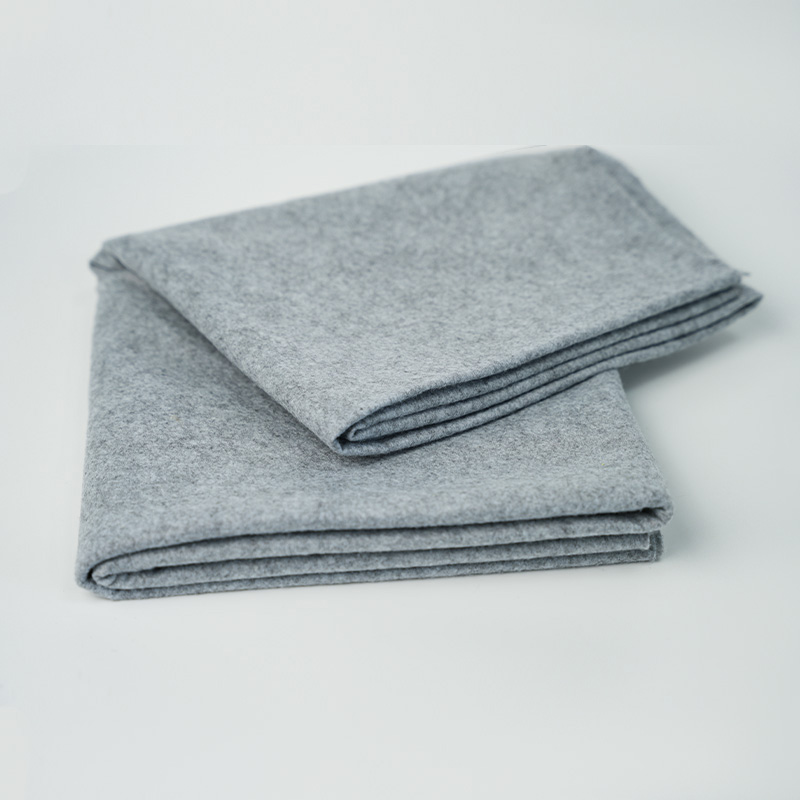
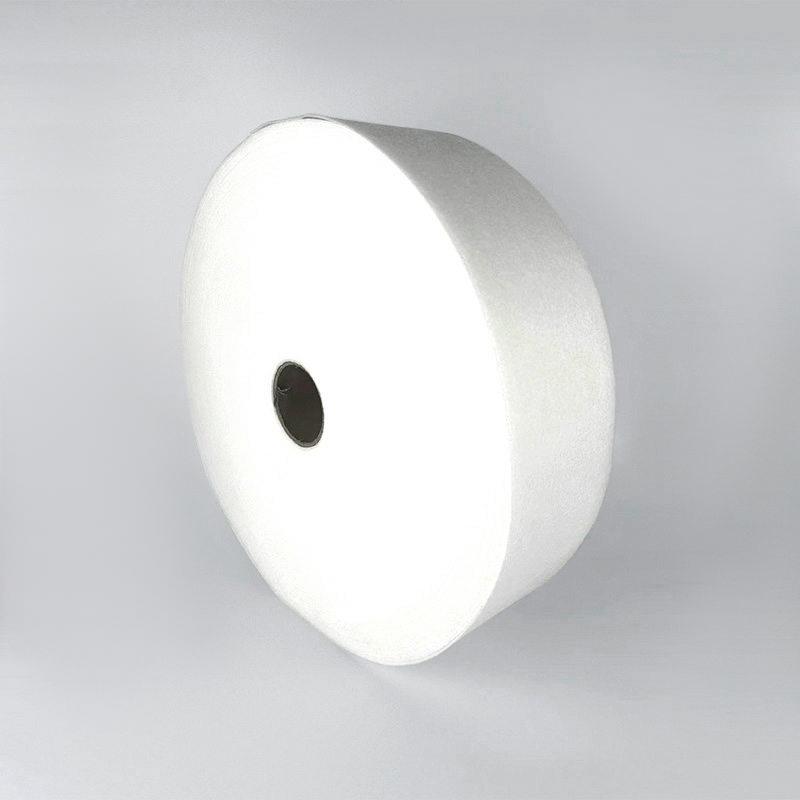
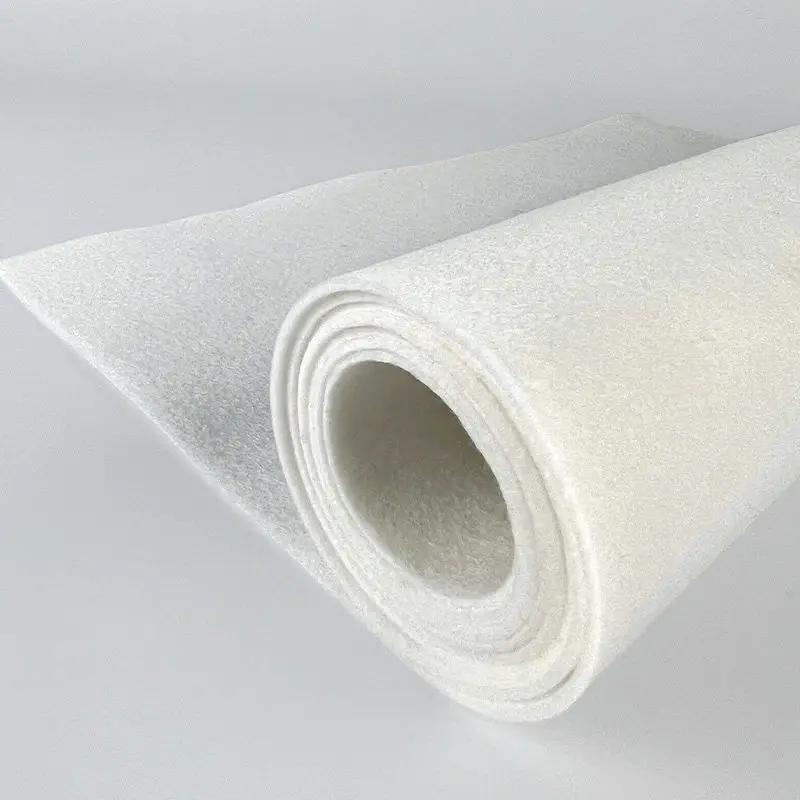
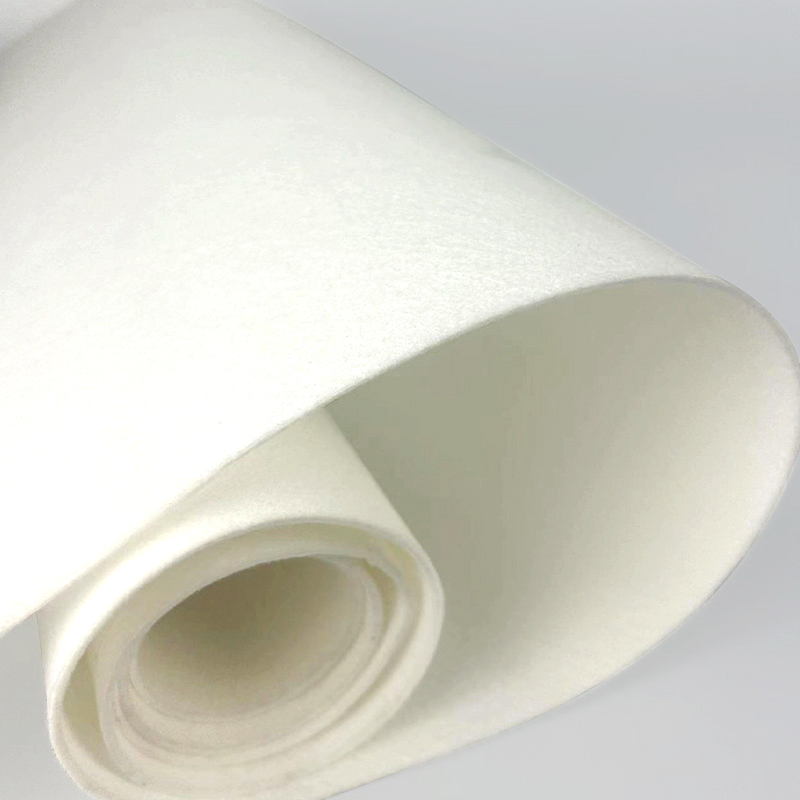
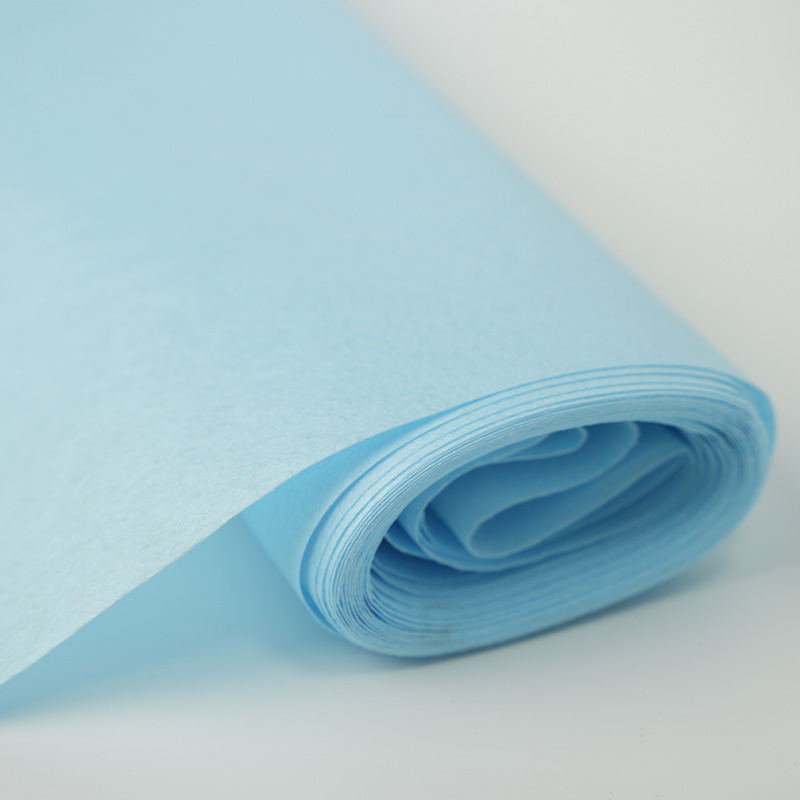
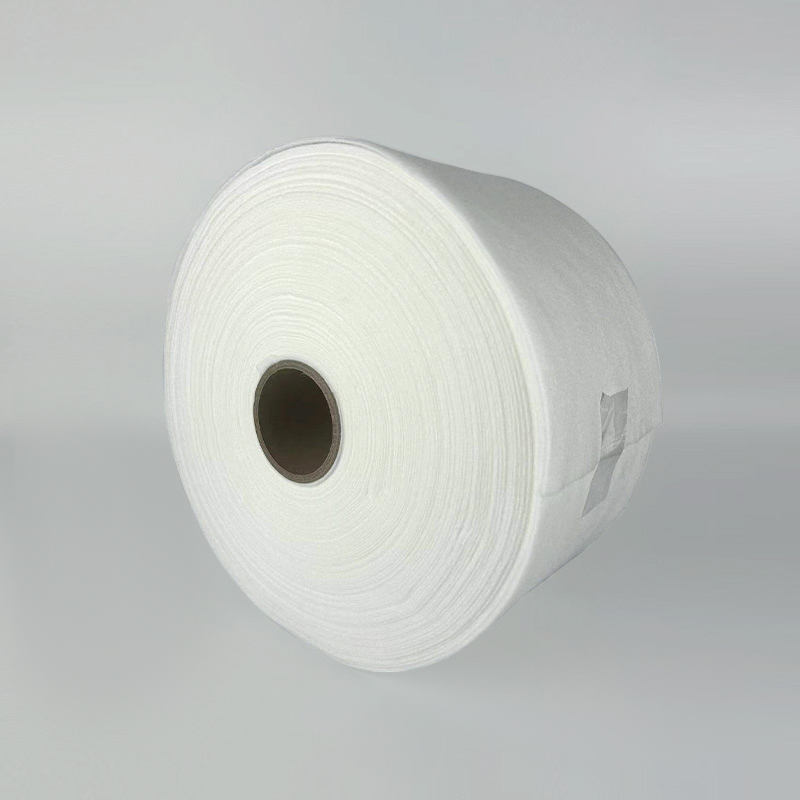
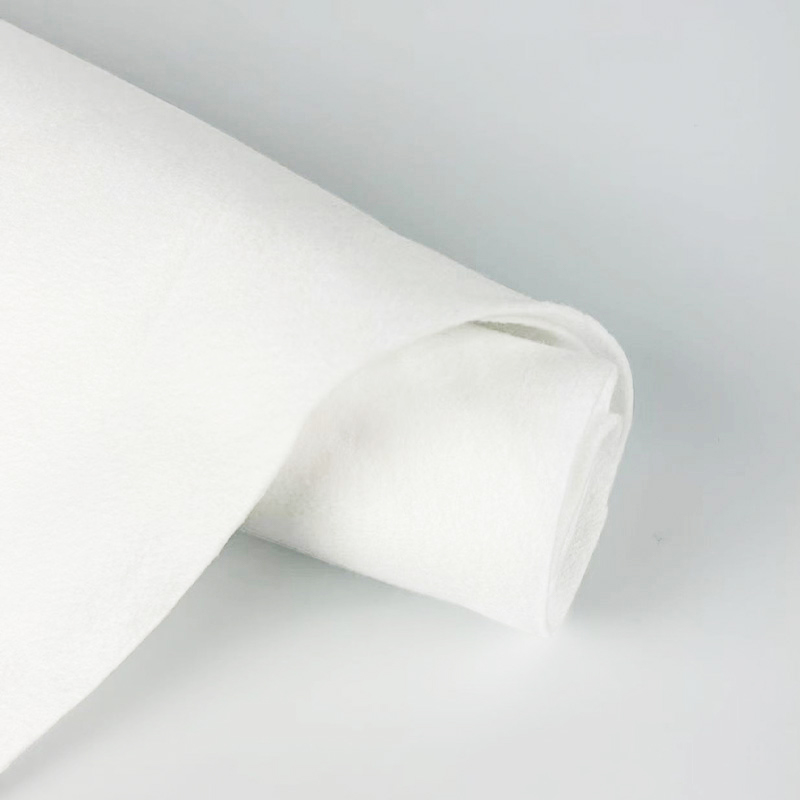
Medical non-woven fabrics have fundamentally replaced traditional woven textiles as the primary material for clinical infection prevention and surgical safety. Unlike conventional cotton or linen fabrics, which have interlocking yarns that trap microorganisms, non-woven materials are engineered webs of fibers bonded through thermal, chemical, or mechanical processes. This specific structure provides superior bacterial barrier properties, fluid resistance, and breathability at a lower cost. In modern healthcare settings, the shift from reusable woven fabrics to single-use nonwoven materials has significantly reduced the rate of hospital-acquired infections, making these materials a non-negotiable standard in patient care.
Understanding the value of medical non-woven fabrics requires a look into how they are manufactured. The term "non-woven" refers to materials that are neither woven nor knitted. Instead, they are assembled by placing fibers together in a random or organized web and then bonding them using specialized techniques. The choice of manufacturing process directly dictates the fabric's final properties, such as absorbency, strength, and filtration efficiency.
Spunbond is one of the most common methods for creating medical non-woven fabrics. In this process, polymer granules—typically polypropylene—are melted and extruded through fine spinnerets to form continuous filaments. These filaments are then cooled by air and laid down on a conveyor belt to form a web. The web is subsequently passed through heated rollers to bond the fibers together. Spunbond fabrics are known for their exceptional tensile strength and durability, making them highly suitable for applications that require structural integrity, such as surgical gowns and drapes.
Meltblown technology shares a similar starting point with spunbond but operates at much higher air velocities. As the molten polymer exits the die, high-velocity hot air blows the filaments, stretching them into microfibers with diameters often smaller than a human hair. These microfibers are collected on a screen to form a delicate web. Meltblown fabrics are the absolute core material in medical masks, providing the critical electrostatic charge and micro-filtration necessary to block microscopic particles and pathogens. However, meltblown fabric alone is fragile and lacks strength, which is why it is rarely used in isolation.
To overcome the limitations of individual technologies, manufacturers developed SMS structures. This process combines the strength of spunbond on the outer layers with the high filtration and fluid resistance of meltblown in the middle layer. This layered approach creates a highly versatile fabric that is strong, liquid-resistant, and breathable. SMS technology represents a significant portion of the medical non-woven market because it perfectly balances protection and comfort for the wearer.
For applications requiring high absorbency, such as wound dressings and surgical sponges, mechanical bonding methods are preferred. Needlepunching uses barbed needles to repeatedly punch through a fiber web, physically entangling the fibers. Hydroentanglement, or spunlace, uses high-pressure water jets to knot the fibers together. Neither method requires chemical binders, resulting in fabrics that are exceptionally soft, lint-free, and highly absorbent, which is critical for direct contact with open wounds.
The widespread adoption of medical non-woven fabrics is entirely dependent on their ability to outperform traditional materials across several critical performance metrics. Healthcare professionals operate in high-stakes environments where material failure can lead to cross-contamination or infection.
In surgical settings, the exposure to blood, bodily fluids, and saline solutions is constant. Non-woven fabrics, particularly those treated with hydrophobic finishes or those utilizing SMS technology, exhibit high hydrostatic resistance. This means they act as an impermeable shield, preventing liquids from penetrating the fabric and reaching the healthcare worker's skin or the patient's sterile field. Fluid resistance is a fundamental requirement, as standard woven cotton can become a conduit for pathogens once saturated.
Bacteria and viruses are microscopic, making the pore size of a fabric a critical factor in infection control. Non-woven fabrics, especially meltblown and SMS variants, have an extremely tight web structure with microscopic pores. This physical maze traps microorganisms, preventing them from passing through the material. When combined with an electrostatic charge in meltblown layers, the fabric can even attract and trap sub-micron particles, a feature highly visible in the global response to airborne pathogens.
While blocking liquids and bacteria, medical non-wovens must still allow water vapor to escape. If a fabric is entirely impermeable to moisture vapor, the wearer will experience heat stress and excessive sweating, which can lead to discomfort and impaired concentration during lengthy surgical procedures. The balance between liquid repellency and Moisture Vapor Transmission Rate (MVTR) is a hallmark of high-quality medical non-woven fabrics, ensuring that the barrier is effective without creating a greenhouse effect for the wearer.
Traditional woven textiles shed lint and fibers, which can carry bacteria into surgical wounds and contaminate sensitive equipment. Non-woven fabrics, specifically those bonded using thermal or hydroentanglement methods, are inherently low-linting. They do not shed particles during movement, maintaining the integrity of the sterile field and protecting patients from foreign body reactions or post-surgical infections caused by introduced fibers.
The versatility of medical non-woven fabrics allows them to be utilized in nearly every department within a hospital or clinic. Their applications range from highly specialized surgical tools to everyday hygiene products.
Surgical gowns and drapes represent one of the largest segments for medical non-woven fabrics. These items require strict adherence to international safety standards, which grade the fabrics based on their liquid barrier performance. Standard gowns might use lightweight spunbond for basic procedures, while high-risk surgeries require heavy-weight SMS fabrics to protect against high-pressure fluid penetration. Drapes must maintain a sterile barrier over the patient and surrounding equipment, relying on the lint-free and impermeable nature of non-wovens to prevent surgical site infections.
Medical masks are perhaps the most recognized application of non-woven fabrics. A standard surgical mask consists of three layers: an outer spunbond layer for strength and initial fluid resistance, a middle meltblown layer for bacterial and particulate filtration, and an inner spunbond layer for comfort and moisture absorption. The efficiency of a mask is heavily dependent on the quality of the meltblown layer, which acts as both a physical and electrostatic filter. Higher-level respirators utilize even denser non-woven structures to achieve rigorous filtration standards.
Wound management requires materials that can manage exudate while protecting the wound from external contaminants. Non-woven fabrics used in wound care are typically highly absorbent, non-adherent, and breathable. Some advanced wound dressings utilize multiple layers of non-woven material, including an antimicrobial barrier layer and an absorbent core, to create an optimal moist wound healing environment. The softness of hydroentangled non-wovens prevents trauma to the granulation tissue when the dressing is changed.
Before surgical instruments are used, they must be sterilized, usually using steam, ethylene oxide, or gamma radiation. The packaging holding these instruments during sterilization and storage must allow the sterilizing agent to penetrate while maintaining a sterile barrier afterward. Medical non-woven fabrics, particularly creped SMS materials, are the industry standard for sterilization wraps. They resist tearing during handling, allow steam to penetrate effectively, and provide a guaranteed microbial barrier for extended shelf life.
Not all medical non-woven fabrics are created equal, and selecting the wrong material for a specific clinical scenario can have severe consequences. Healthcare facilities must match the material properties to the specific risk level of the procedure.
| Clinical Risk Level | Typical Application | Recommended Non-Woven Structure | Key Performance Focus |
|---|---|---|---|
| Minimal Risk | Patient gowns, bed linens | Lightweight Spunbond | Softness, comfort, basic cover |
| Low Risk | Standard face masks, bouffant caps | Spunbond-Meltblown (SM) | Breathability, basic filtration |
| Moderate Risk | Sterilization wraps, standard gowns | Medium-weight SMS | Microbial barrier, tear resistance |
| High Risk | Orthopedic drapes, trauma gowns | Heavy-weight SMS with film | High fluid resistance, impermeability |
By adhering to this risk-stratified approach, procurement departments can ensure clinical safety without overspending on unnecessary protection levels. For example, using a heavy-weight, fluid-impermeable fabric for a routine outpatient examination is wasteful, while using a lightweight, breathable fabric for a cardiovascular surgery is dangerously inadequate.
The transition from reusable woven cotton and linen to single-use medical non-woven fabrics has been a subject of extensive debate in hospital administration, primarily revolving around cost, environmental impact, and clinical efficacy.
The clinical argument heavily favors non-wovens. Reusable textiles must undergo rigorous washing, sterilization, and inspection cycles. Over time, the fabric degrades, losing its fluid resistance and microbial barrier properties. Studies evaluating surgical site infection rates have consistently shown that the introduction of single-use non-woven gowns and drapes correlates with a measurable decrease in infection rates. The guarantee of a sterile, high-performance barrier every single time a package is opened is a clinical advantage that reusable textiles struggle to match.
While the upfront material cost of a reusable gown is amortized over many uses, the true cost includes water, electricity, detergents, sterilization chemicals, labor, and eventual replacement. When hospitals conduct comprehensive lifecycle cost analyses, they often find that single-use non-wovens are highly competitive, particularly when factoring in the hidden costs of managing a textile laundry department and the potential financial liabilities associated with hospital-acquired infections.
The environmental impact of single-use plastics is a valid concern. Most medical non-wovens are derived from polypropylene, a petroleum-based polymer that is not readily biodegradable. However, assessing environmental impact requires looking at the entire lifecycle. Reusable textiles consume massive amounts of fresh water and energy during laundering and release microplastics and harsh chemicals into wastewater. Conversely, polypropylene non-wovens can be incinerated in waste-to-energy facilities with high energy recovery and low toxic emissions, as they are essentially pure hydrocarbons. The environmental debate is complex, and the healthcare industry is increasingly exploring bio-based polymers and improved recycling streams to mitigate the impact of single-use non-wovens.
Because medical non-woven fabrics are classified as medical devices in many jurisdictions, they are subject to stringent regulatory oversight. Manufacturers must demonstrate that their materials meet specific performance benchmarks before they can be legally sold for clinical use.
One of the most critical tests is the hydrostatic pressure test (AATCC 127 or similar standards). This test measures the amount of water pressure a fabric can withstand before water penetrates. Surgical gowns are graded based on these results, with higher levels requiring the fabric to withstand significant pressure, simulating the force of blood under arterial pressure during surgery. Additionally, synthetic blood penetration tests are conducted to ensure the fabric repels bodily fluids effectively.
For masks and respiratory filters, BFE testing is mandatory. This test uses an aerosol of Staphylococcus aureus bacteria to measure the percentage of bacteria blocked by the fabric. Medical masks must achieve a high BFE rating to be certified. This metric is almost entirely dependent on the quality and density of the meltblown layer within the non-woven structure.
Since these materials come into contact with human skin, blood, and tissues, they must pass biocompatibility testing. This includes cytotoxicity tests to ensure the fabric does not leach harmful chemicals that could kill cells, as well as skin sensitization and irritation tests. Materials used in implants or advanced wound dressings face even more rigorous biological evaluation protocols to ensure they do not provoke an immune response.
The medical non-woven industry is continuously evolving to meet new clinical challenges, sustainability demands, and technological advancements. The future of these materials lies in moving beyond basic barrier protection to integrate smart functionalities.
While non-wovens physically block pathogens, researchers are incorporating active antimicrobial agents into the fibers. This can involve embedding silver ions, copper nanoparticles, or specialized biocides into the polymer before extrusion. These active barriers not only block bacteria but actively destroy them on contact, providing an additional layer of safety, particularly in high-risk wound care and long-duration surgical procedures.
To address environmental concerns, the industry is heavily investing in bio-based polymers like Polylactic Acid (PLA), which is derived from renewable resources such as corn starch or sugarcane. PLA can be processed using spunbond and meltblown technologies to create non-wovens with properties similar to polypropylene, but with the critical advantage of being compostable under industrial conditions. Transitioning to these materials could significantly reduce the carbon footprint and waste burden of medical non-wovens.
The integration of sensor technology into non-woven fabrics is an emerging frontier. Researchers are developing non-woven materials with conductive fibers that can monitor vital signs, detect the presence of specific pathogens through color-changing indicators, or monitor the moisture levels in wound dressings. These smart medical non-wovens will transition the material from a passive barrier to an active diagnostic tool, enabling real-time patient monitoring directly from the materials in contact with the patient.
Electrospinning is a technique used to create non-woven fabrics composed of fibers with diameters in the nanometer range. These nanofiber webs offer unparalleled filtration efficiency and extremely high surface area, making them ideal for advanced viral filtration and highly sensitive diagnostic test kits. As electrospinning technology scales up and becomes more cost-effective, nanofiber non-wovens are expected to become a standard component in high-specification medical protective equipment.
Medical non-woven fabrics represent a triumph of materials engineering applied directly to human health. By abandoning the limitations of traditional weaving in favor of controlled fiber laying and bonding, the healthcare industry has access to materials that provide precise, reliable, and cost-effective protection against infection. From the intricate meltblown layers of a surgical mask to the heavy-duty SMS structure of an orthopedic drape, these materials are meticulously matched to clinical risk levels and validated through rigorous testing. While environmental challenges regarding single-use plastics persist, the ongoing innovation in bio-based polymers, antimicrobial additives, and smart fabrics ensures that medical non-woven fabrics will continue to evolve, cementing their role as the absolute foundation of modern clinical safety and infection prevention.

Enterprise tenet: service-based, quality for survival, science and technology for development
 +86-15151778356
 No. 121 Huangnilou, Yangqiao Village, Zhitang Town, Changshu City, Jiangsu Province, China
Copyright © Changshu Mingyun Hongshun Non woven Products Co., Ltd. All Rights Reserved. Custom OEM/ODM Environmental Nonwoven Fabrics Products Manufacturers


 English
 中文简体
中文简体 русский