2026-01-08
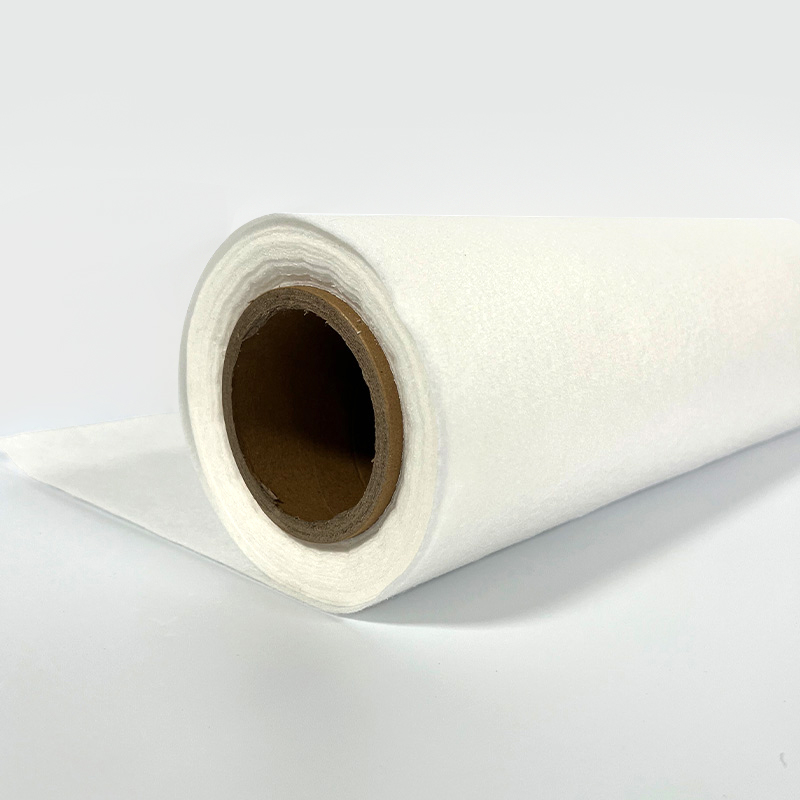
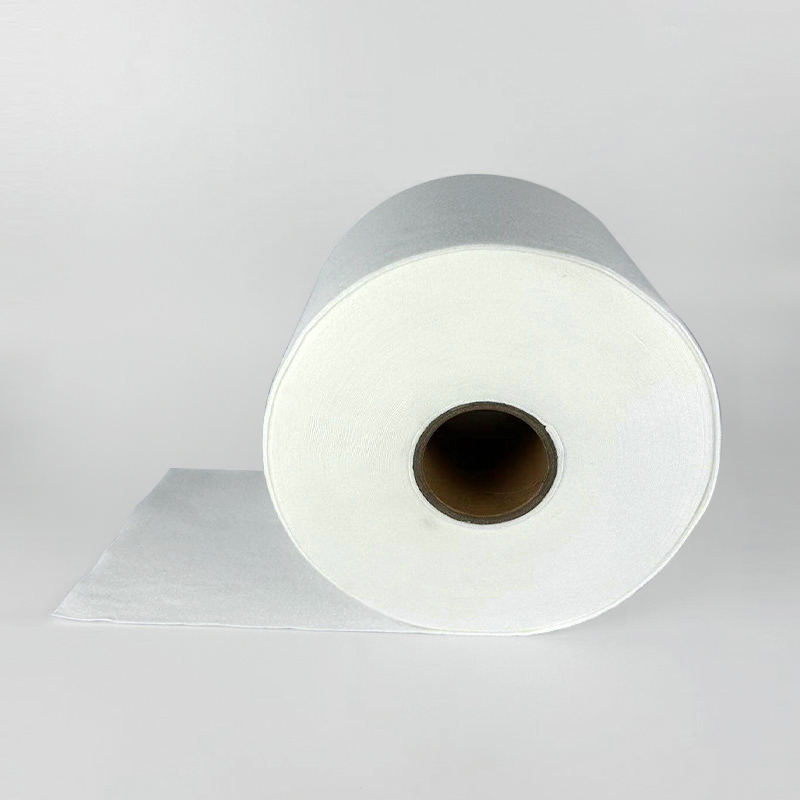
In the field of industrial textile materials, Needle Punched Nonwoven Fabrics have long held an important position due to their stable structural performance and excellent physical properties. Needle-punched nonwovens do not rely on chemical bonding or thermal molding, but rather use mechanical means to entangle fibers in a three-dimensional space, forming a dense and uniform fabric-like material. This unique web formation and reinforcement method gives the product significant advantages in strength, durability, and adaptability, making it a core category among many functional material choices.
The core value of Needle Punched Nonwoven Fabrics is primarily reflected in their structure. During the needle punching process, the fibers are repeatedly pulled and rearranged, forming a crisscrossing three-dimensional network. This structure is not a surface bond, but a holistic mechanical connection, allowing the material to evenly distribute stress when subjected to force. The direct result is that the fabric surface is less prone to delamination, the internal structure is stable, and it can maintain its integrity even in relatively complex working environments.
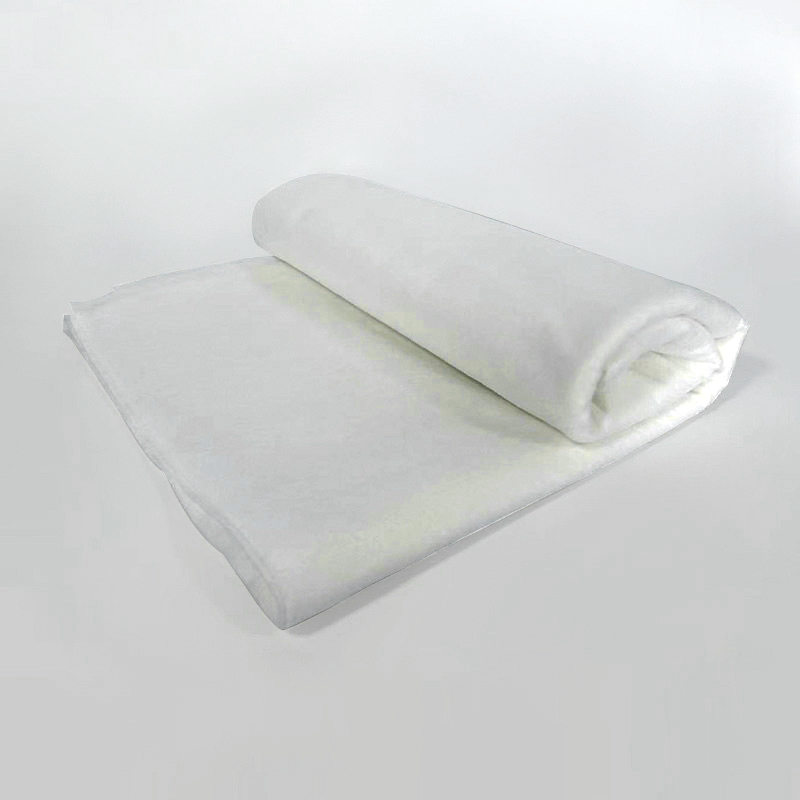
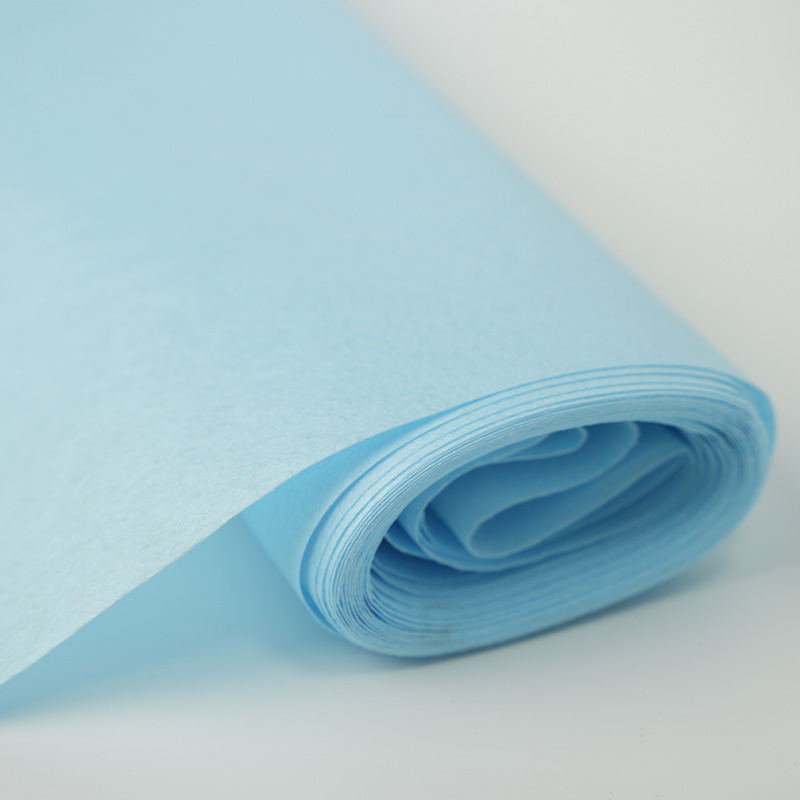
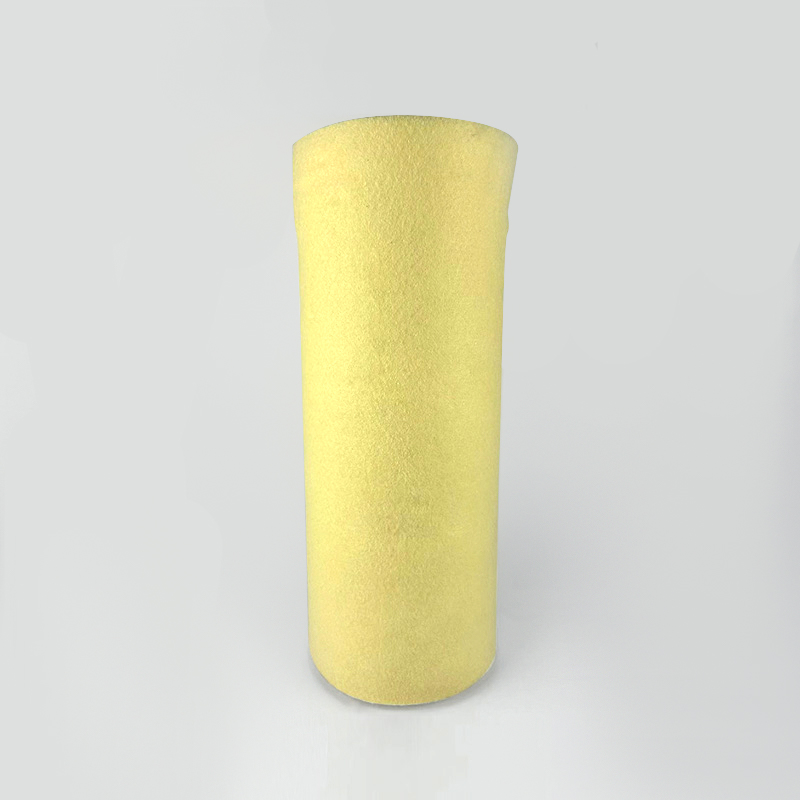
In terms of feel and appearance, needle-punched nonwovens typically exhibit a natural, uniform fiber texture, maintaining a certain degree of flexibility without appearing loose or hollow. This balance is one of the important differences between the needle punching process and other nonwoven forming methods.
In practical use, the performance of Needle Punched Nonwoven Fabrics is often the result of a multi-dimensional combination. The high frictional bonding between fibers gives the material good wear resistance and tear resistance, which is particularly crucial for applications requiring long-term friction or repeated stress. At the same time, the porous structure formed by needle punching allows the fabric to maintain strength while still possessing good breathability and permeability.
Needle-punched nonwovens have a high degree of compatibility with different fiber raw materials, which gives the product strong adjustability in functional performance. By adjusting fiber characteristics and needle punching density, the fabric can achieve a fine balance between stiffness, resilience, and surface condition, thus meeting diverse application needs. This method of controlling performance from within the material is a key reason why needle-punched nonwovens are widely recognized.
The stability of needle-punched nonwoven fabrics is closely related to their manufacturing process. The needle punching process is a purely physical reinforcement method that does not rely on added binders. Therefore, the material's performance is less likely to undergo sudden changes in high-temperature or complex environments. This characteristic allows needle-punched nonwoven fabrics to maintain a relatively consistent physical state during long-term use, reducing the impact of aging or performance degradation.
From the perspective of product consistency, the needle punching process helps to achieve a uniform distribution of fabric thickness and density, avoiding the appearance of weak areas. For applications that emphasize reliability and durability, this stable output capability is often more attractive than a single performance indicator.
The reason why needle-punched nonwoven fabrics continue to maintain high attention in multiple fields is inseparable from their excellent adaptability. The material can exist as an independent structural layer or be combined with other materials, providing additional support and protection without significantly increasing the overall thickness. Its good processing adaptability makes subsequent cutting, shaping, or compounding processes smoother, helping to improve the overall consistency and quality of the product.
From the product itself, needle-punched nonwoven fabrics are more like a highly malleable basic material that can exhibit different performance characteristics depending on specific needs. This is an important reason why they remain active in the functional materials market.
In terms of quality control, the structural characteristics of needle-punched nonwoven fabrics provide favorable conditions for stable production. The fibers are tightly bound together mechanically, making the finished product relatively less sensitive to environmental changes, which helps reduce batch variations. This controllability is reflected not only in physical properties but also in the consistency of appearance and feel, providing a more reliable foundation for end applications.
For users who pursue long-term stable supply, the predictability and durability of needle-punched nonwoven fabrics are often more valuable than short-term performance advantages.
Many people are concerned about whether needle-punched nonwoven fabrics can combine softness and strength. In fact, this is one of the major characteristics of this material. Through reasonable fiber selection and needle punching parameter control, the fabric can maintain good support while still having a comfortable, flexible feel.
Some people are also concerned about the performance changes of needle-punched nonwoven fabrics during long-term use. Because they do not rely on chemical bonding, the material structure is relatively stable, and significant performance degradation is unlikely under normal conditions.
Users also ask whether needle-punched nonwoven fabrics are suitable for subsequent processing. From a product characteristics perspective, their excellent dimensional stability and processing adaptability make them highly suitable for cutting, lamination, or molding processes, helping to maintain the overall quality of the final product.
Needle-punched nonwoven fabrics are not just a common nonwoven material, but a class of high-value products that achieve a balance of multiple performance characteristics through structural design. It is this inherent stability and plasticity of the material itself that allows it to continuously demonstrate irreplaceable advantages in numerous applications.

Enterprise tenet: service-based, quality for survival, science and technology for development
 +86-15151778356
 No. 121 Huangnilou, Yangqiao Village, Zhitang Town, Changshu City, Jiangsu Province, China
Copyright © Changshu Mingyun Hongshun Non woven Products Co., Ltd. All Rights Reserved. Custom OEM/ODM Environmental Nonwoven Fabrics Products Manufacturers


 English
 中文简体
中文简体 русский