2026-01-01
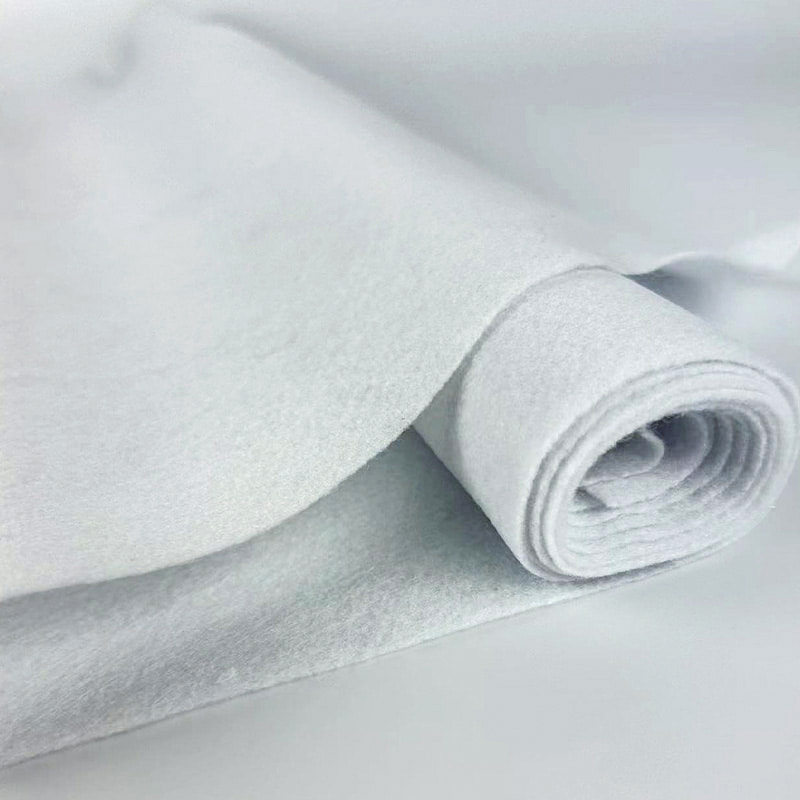
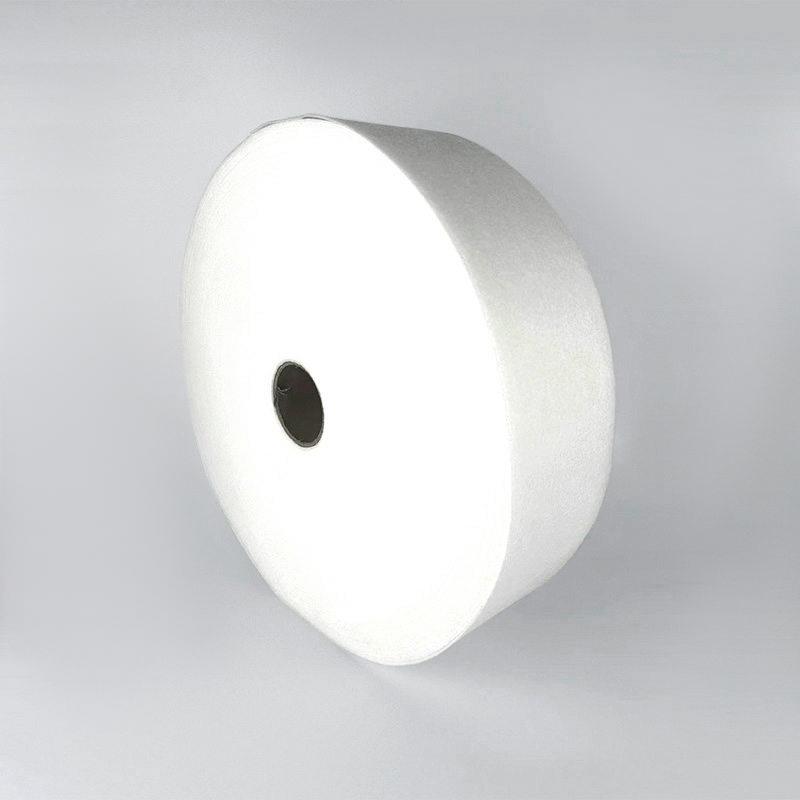
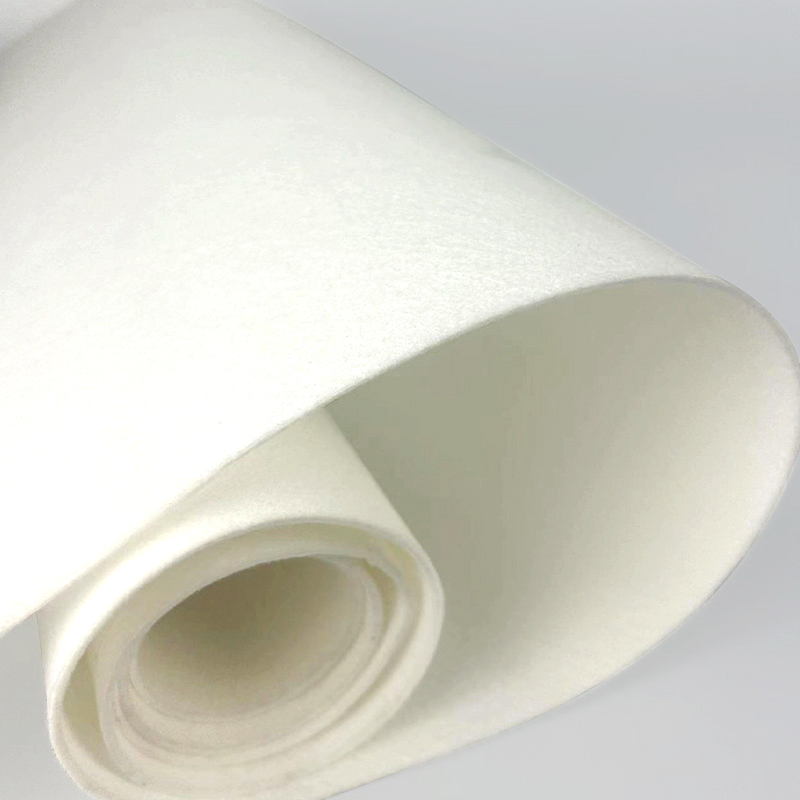
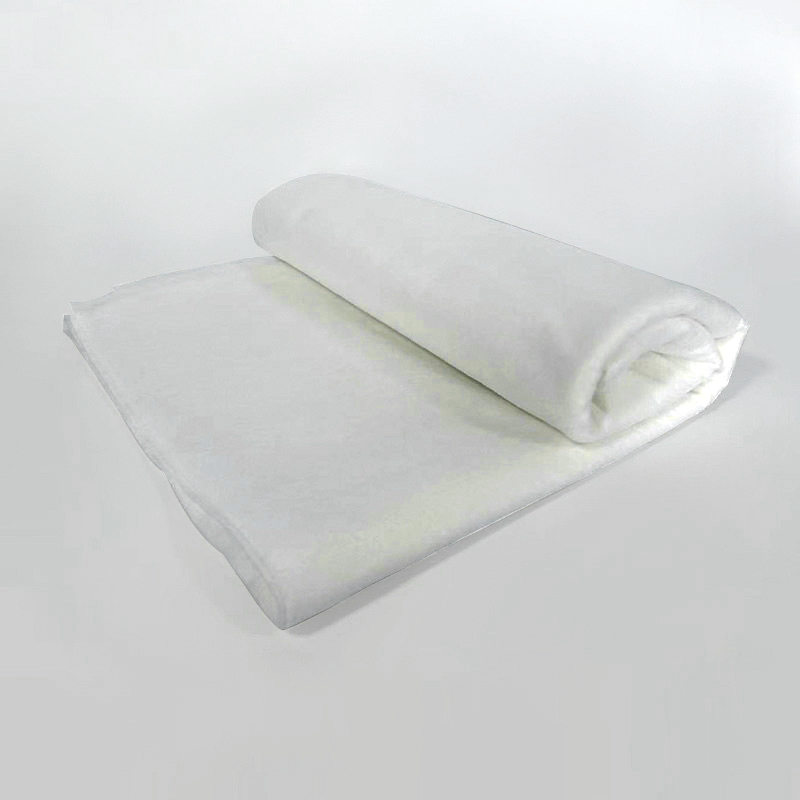
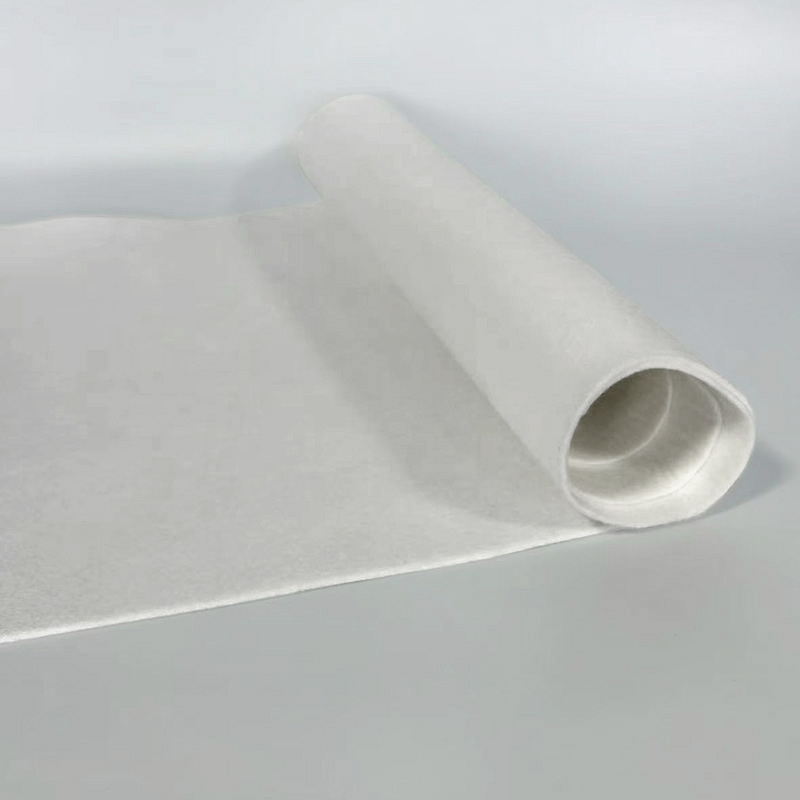
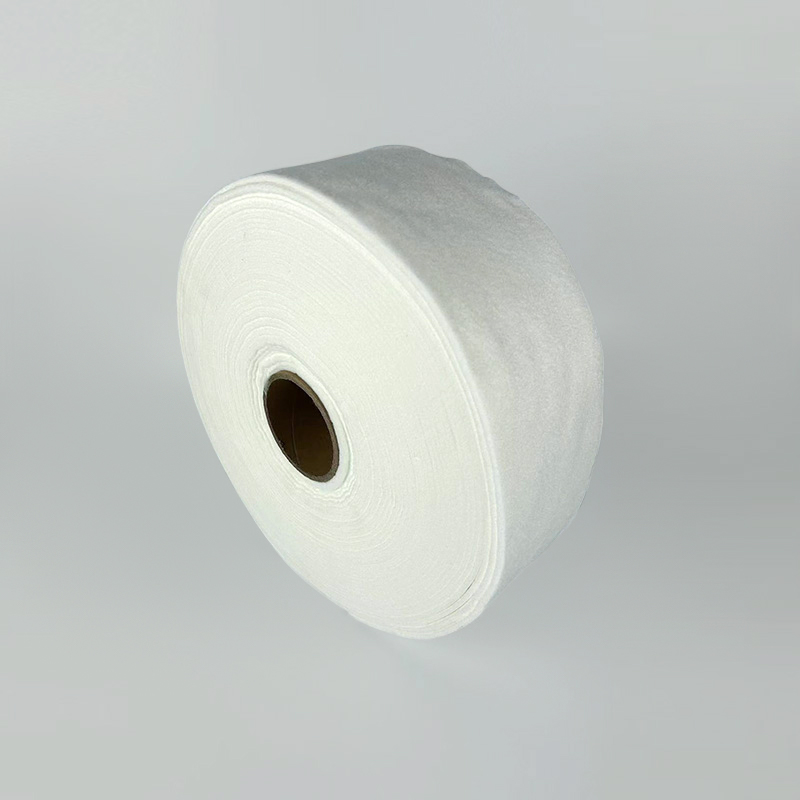
In modern material systems, non-woven fabrics have become an indispensable and important component. They are not formed through traditional spinning and weaving processes, but rather rely on the direct bonding of fibers to create an overall structure. This unique formation method gives non-woven fabrics a high degree of flexibility in performance control, function realization, and product adaptability, allowing them to occupy a core position in many product fields.
The inherent advantage of non-woven fabrics lies primarily in their internal structure. Fibers are distributed in an oriented or random state, forming a stable bond through physical, chemical, or thermal methods, allowing the material to maintain good overall strength while remaining lightweight. Compared to traditional fabrics, this structure reduces processing limitations, allowing fiber properties to be more directly preserved and amplified, thus achieving a balance between softness, bulkiness, and support. The material's pore structure can be precisely controlled, making it particularly outstanding in terms of breathability and filtration performance.
From a product perspective, the most attractive aspect of non-woven fabrics is their highly customizable performance. The material can exhibit good liquid absorption, barrier properties, or breathability as needed, while maintaining stable dimensions and shape. This performance is not a single-dimensional improvement, but rather the synergistic result of multiple physical attributes. The different methods of fiber bonding directly affect the material's feel, toughness, and service life, allowing non-woven fabrics to adapt to product forms requiring different levels of strength and comfort.
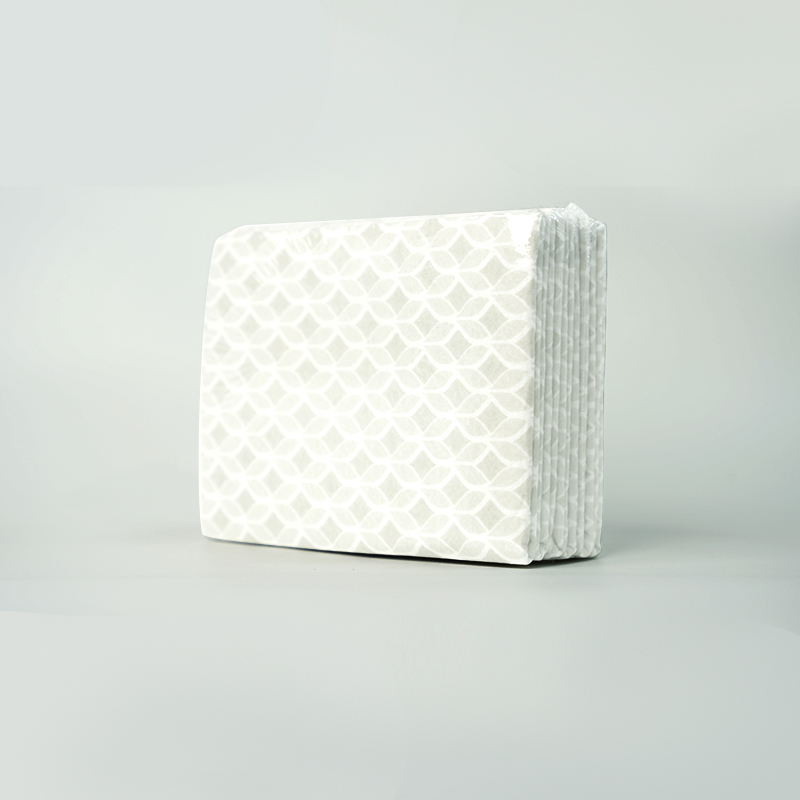
In the actual product manufacturing process, non-woven fabrics demonstrate excellent processing adaptability. The material maintains good stability during cutting, compounding, and molding, and is not prone to structural damage or performance degradation. This characteristic is particularly important for manufacturing processes that require product consistency. Non-woven fabrics can meet design requirements for different thicknesses and densities while maintaining uniform performance, making the final product more reliable in appearance and user experience.
From a functional perspective, non-woven fabrics are not only basic materials but also important carriers for achieving product performance. Their structure can effectively support multi-layer composite designs, allowing the material to play different roles in different functional areas. By controlling the arrangement and bonding of fibers, non-woven fabrics can provide stable support and protection while maintaining overall lightness. This ability to integrate multiple functions is difficult for many traditional fabrics to achieve simultaneously.
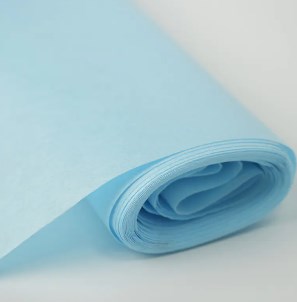
The stability of non-woven fabrics during use is also noteworthy. The material maintains its structural integrity and consistent performance even under environmental changes, which is crucial for products that emphasize safety and reliability. The bonding method between the fibers of non-woven fabrics prevents deformation or performance degradation during long-term use, thereby improving the overall durability and trustworthiness of the product.
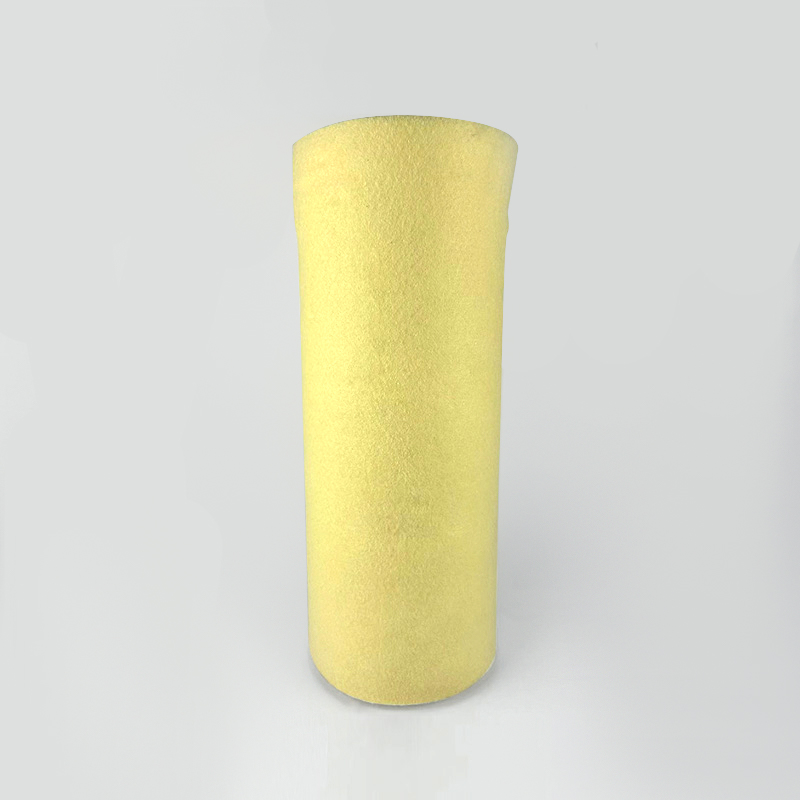
From a product design perspective, non-woven fabrics offer ample space for functional innovation. The material can be adjusted in terms of surface and structure according to different needs, allowing it to better integrate into the overall product system. Whether emphasizing tactile experience or structural support, non-woven fabrics can achieve excellent adaptation effects through their inherent characteristics. This high degree of compatibility gives them long-term value in material selection.
Non-woven fabrics do not rely on spinning and weaving structures, but rather form a whole through the direct bonding of fibers, thus offering greater flexibility in structural freedom and performance control.
Their internal structure and pore characteristics can be precisely controlled, allowing the material to simultaneously fulfill multiple functional requirements while maintaining stable performance.
High-quality non-woven fabrics exhibit good structural stability. As long as the material is properly designed, it can maintain long-term performance stability under normal use conditions.

Enterprise tenet: service-based, quality for survival, science and technology for development
 +86-15151778356
 No. 121 Huangnilou, Yangqiao Village, Zhitang Town, Changshu City, Jiangsu Province, China
Copyright © Changshu Mingyun Hongshun Non woven Products Co., Ltd. All Rights Reserved. Custom OEM/ODM Environmental Nonwoven Fabrics Products Manufacturers


 English
 中文简体
中文简体 русский