2026-01-15
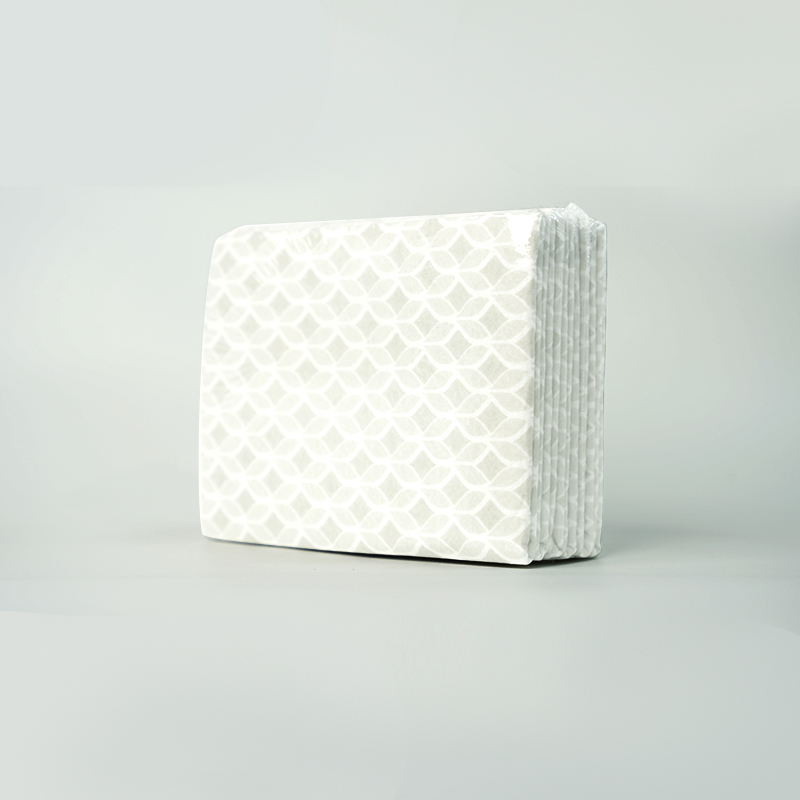
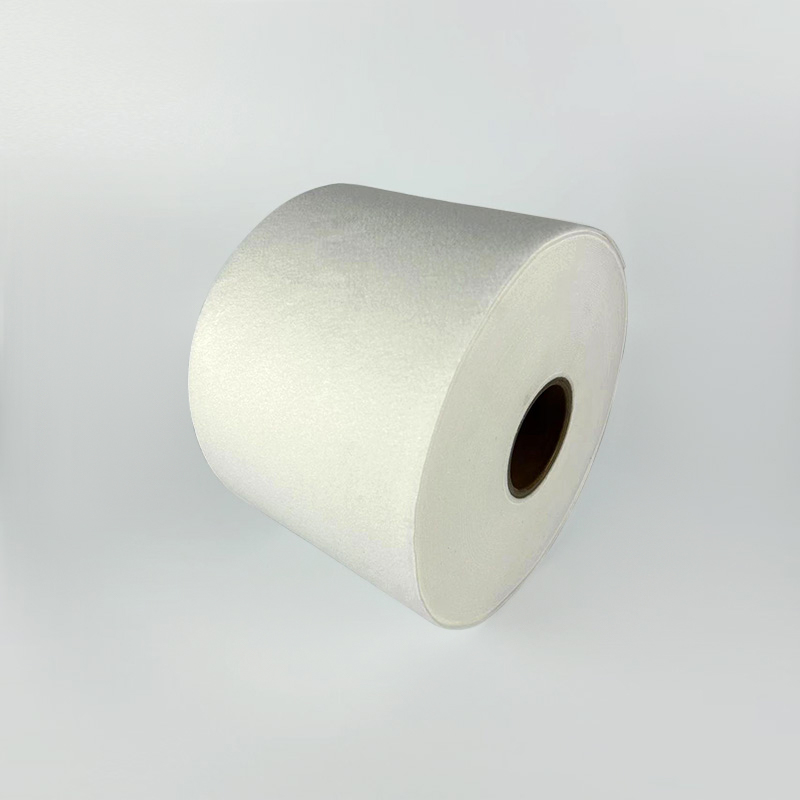
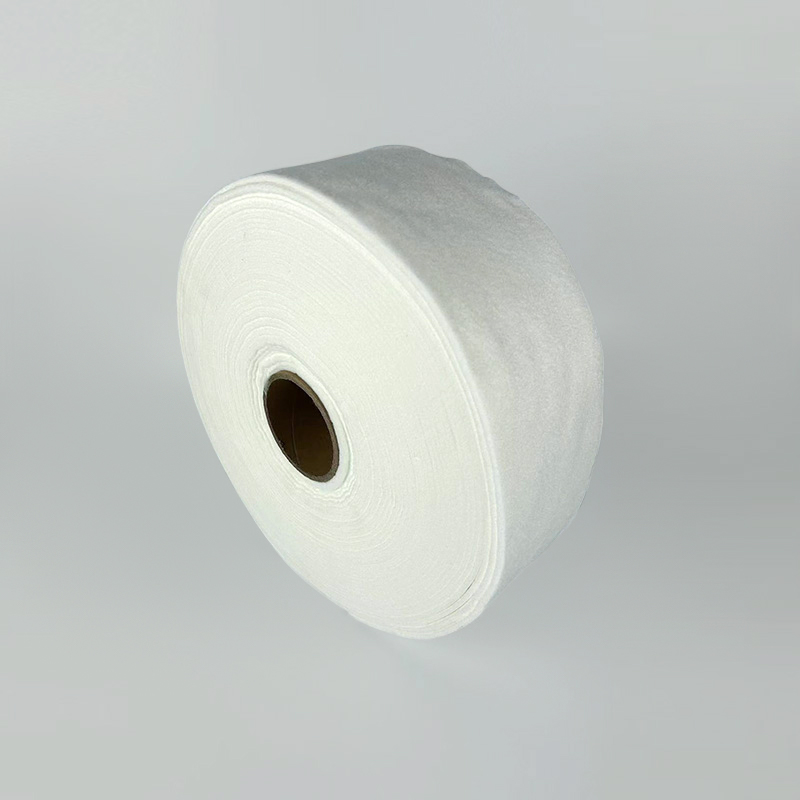
With increasing environmental awareness, Environmental Nonwoven Fabrics, as a green and environmentally friendly material, are gradually entering the public eye and becoming an indispensable material in various industries. Environmental nonwoven fabrics not only possess high performance, biodegradability, and environmental friendliness, but also demonstrate unique advantages in various applications. Whether in medical, construction, agriculture, or household products, environmental nonwoven fabrics play an important role.
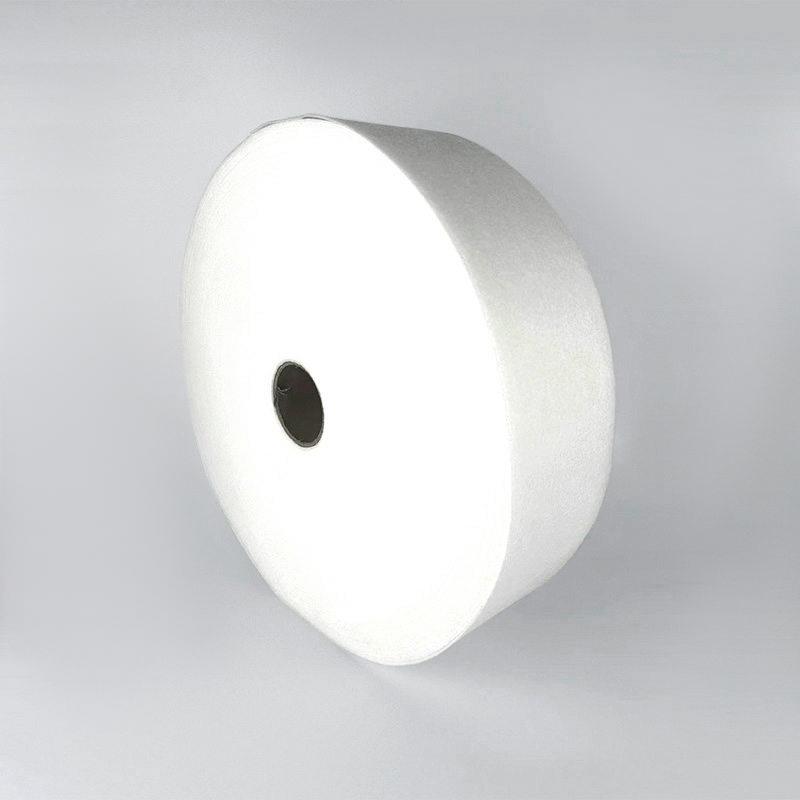
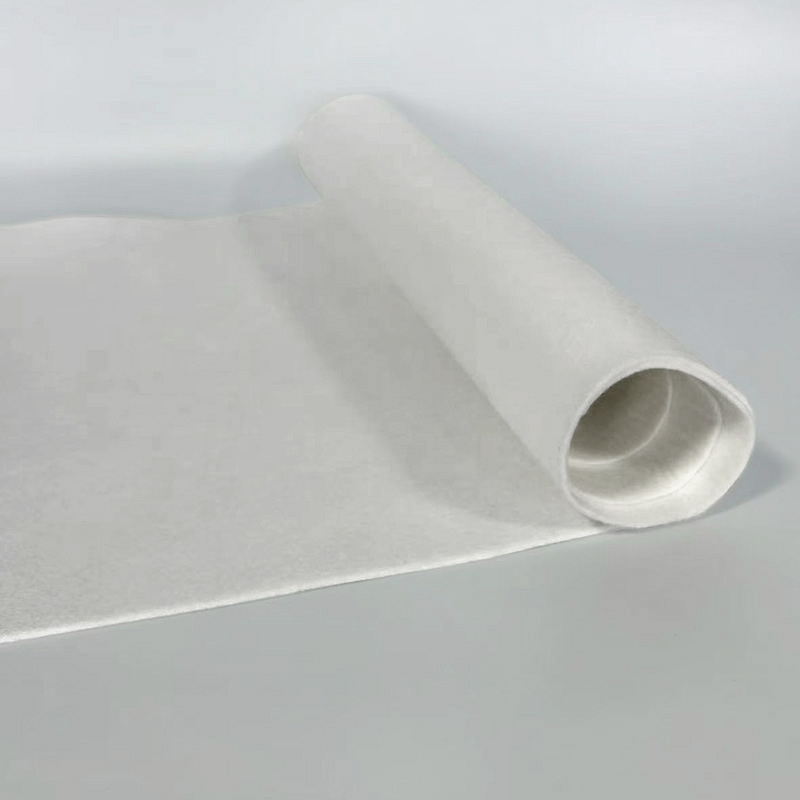
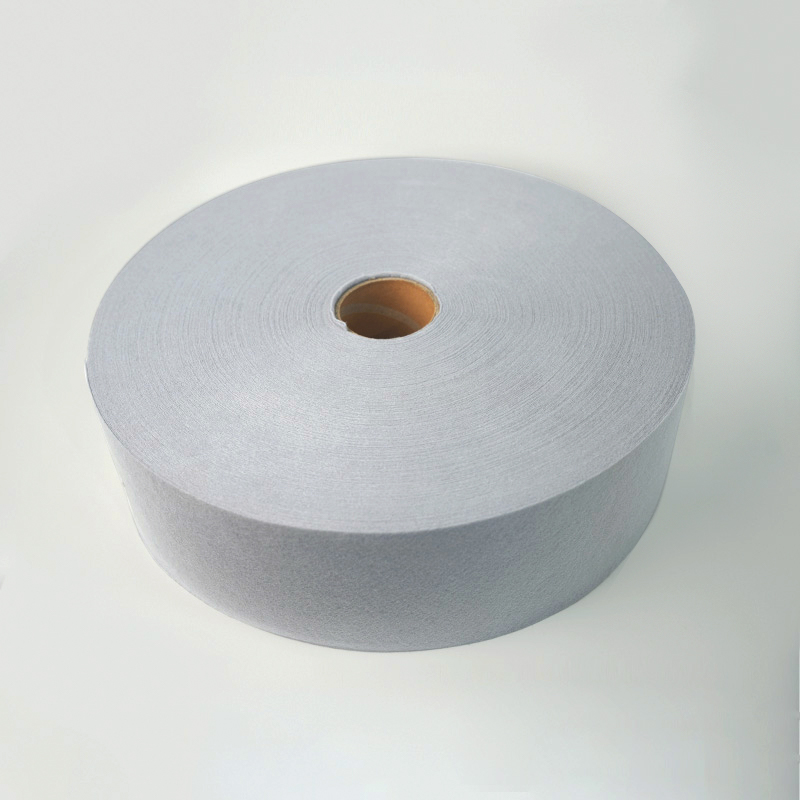
Environmental nonwoven fabrics, also known as ecological nonwoven fabrics, are fabrics made from natural or synthetic fibers through nonwoven technology. The biggest characteristic of this material is that its production process does not require weaving, therefore, compared to traditional weaving processes, nonwoven fabrics have more environmentally friendly and energy-saving advantages.
The production process of environmental nonwoven fabrics is relatively simple, requiring less water resources and no complex dyeing treatment, thus greatly reducing environmental pollution. Especially in today's world where water pollution in the textile industry is becoming increasingly serious, the production process of environmental nonwoven fabrics is undoubtedly an environmentally friendly choice. Its raw materials are often recyclable and biodegradable, meeting the requirements of sustainable development in modern society, truly achieving "green production."
Environmental nonwoven fabrics have high strength and durability. This fabric has relatively uniform strength and strong tensile and tear resistance, which makes it particularly outstanding in many applications requiring high strength and durability. In addition, the breathability, softness, and adaptability of nonwoven fabrics also give them significant advantages in many fields.
The disposal of environmental nonwoven fabrics after use is very convenient, and the environmental burden can be reduced through recycling and degradation. Many environmental nonwoven fabric products can be completely degraded after use, avoiding the long-term pollution to the environment caused by traditional plastic waste.
The application of environmental nonwoven fabrics has gone beyond the traditional textile industry, covering multiple fields and showing great market potential. In various fields such as medical, construction, agriculture, home furnishings, and daily consumer goods, environmental nonwoven fabrics play an important role.
In the medical field, environmental nonwoven fabrics are widely used in disposable medical supplies such as masks, surgical gowns, and dressings. Due to its soft and breathable material, which effectively isolates germs and bacteria, it is widely used in the manufacture of protective equipment. Because it contains no harmful substances, is non-toxic and non-irritating, environmentally friendly non-woven fabric is also used in the pharmaceutical industry as part of sterile packaging materials.
In the construction industry, environmentally friendly non-woven fabric is also widely used. As a waterproof, heat-insulating, and sound-insulating material, non-woven fabric plays an important role in construction. It can effectively improve the energy efficiency of buildings, reduce energy loss, and lower the energy consumption of heating and air conditioning systems. In addition, environmentally friendly non-woven fabric can be used for foundation and wall protection, helping to maintain the long-term stability and structural safety of buildings.
In the agricultural field, environmentally friendly non-woven fabric also plays an important role. As a breathable, soft, and lightweight material, non-woven fabric is widely used in agricultural planting for plant covering and soil protection. By covering plants, it helps improve the growth environment of crops, prevents weed growth, maintains soil moisture, reduces pesticide use, and lowers environmental pollution.
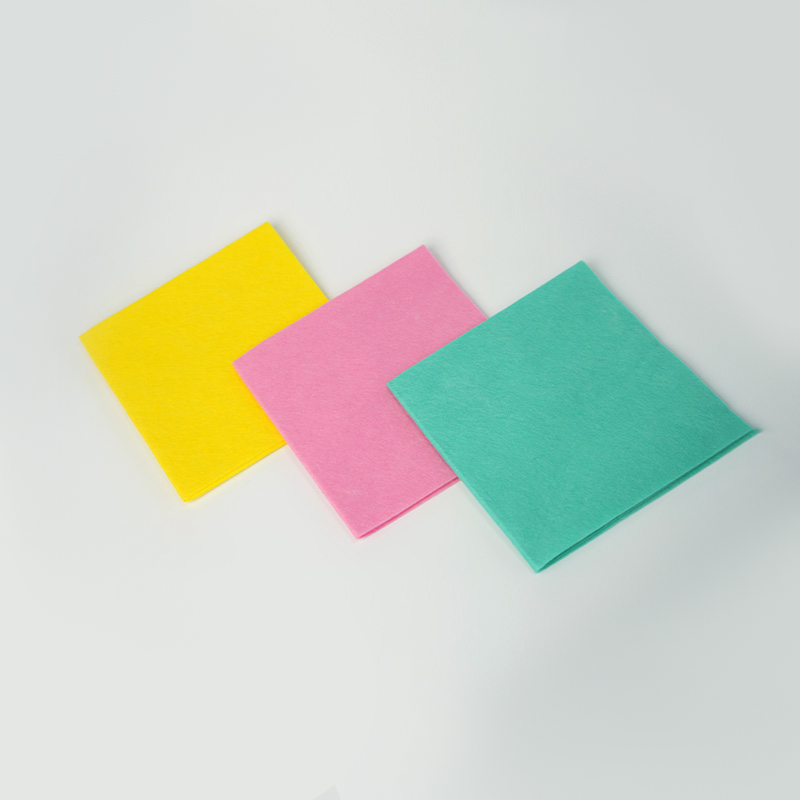
Environmentally friendly non-woven fabric is also widely used in household products, packaging materials, personal care products, and other fields. As consumers' demands for environmental protection and sustainability increase, more and more daily products are beginning to use environmentally friendly non-woven fabrics, becoming a representative of green consumption in the market.
The core advantage of environmentally friendly non-woven fabric lies in its environmental friendliness and biodegradability, which gives it significant ecological importance in many industries. Compared with traditional plastic bags and plastic packaging materials, environmentally friendly non-woven fabric not only reduces resource waste during the production process but also effectively degrades after disposal, without causing a long-term burden on the environment.
The biodegradability of environmentally friendly non-woven fabric depends on the type of raw materials used. Non-woven fabrics made from natural fibers such as cotton and wool can degrade relatively quickly under appropriate conditions, while the degradation process of synthetic fibers is relatively slower. Nevertheless, the overall degradation rate of environmentally friendly non-woven fabric is still faster than traditional plastics, and it will not cause lasting pollution to soil and water sources.
When using environmentally friendly non-woven fabric, it is necessary to select the appropriate material and specifications according to the specific application environment. For example, when used in the medical industry, the sterility of the material must be ensured; while in agriculture, features such as breathability and water resistance need to be considered. Choosing the right product can improve efficiency and extend its lifespan.
Environmentally friendly non-woven fabric has strong adaptability and can be applied to large-scale production. Due to its simple and energy-efficient production process, it can be industrialized in many fields. However, due to its higher raw material costs, reasonable planning based on market demand and production capacity is still needed for its widespread application.
Ensuring the environmental friendliness of environmentally friendly non-woven fabric requires attention to multiple aspects, including raw material selection, production processes, and waste disposal. When selecting raw materials, priority should be given to recyclable and biodegradable fibers; during the production process, the discharge of wastewater and exhaust gas should be strictly controlled; and after use, recycling and reuse should be encouraged to minimize the environmental burden.

Enterprise tenet: service-based, quality for survival, science and technology for development
 +86-15151778356
 No. 121 Huangnilou, Yangqiao Village, Zhitang Town, Changshu City, Jiangsu Province, China
Copyright © Changshu Mingyun Hongshun Non woven Products Co., Ltd. All Rights Reserved. Custom OEM/ODM Environmental Nonwoven Fabrics Products Manufacturers


 English
 中文简体
中文简体 русский