2026-01-22
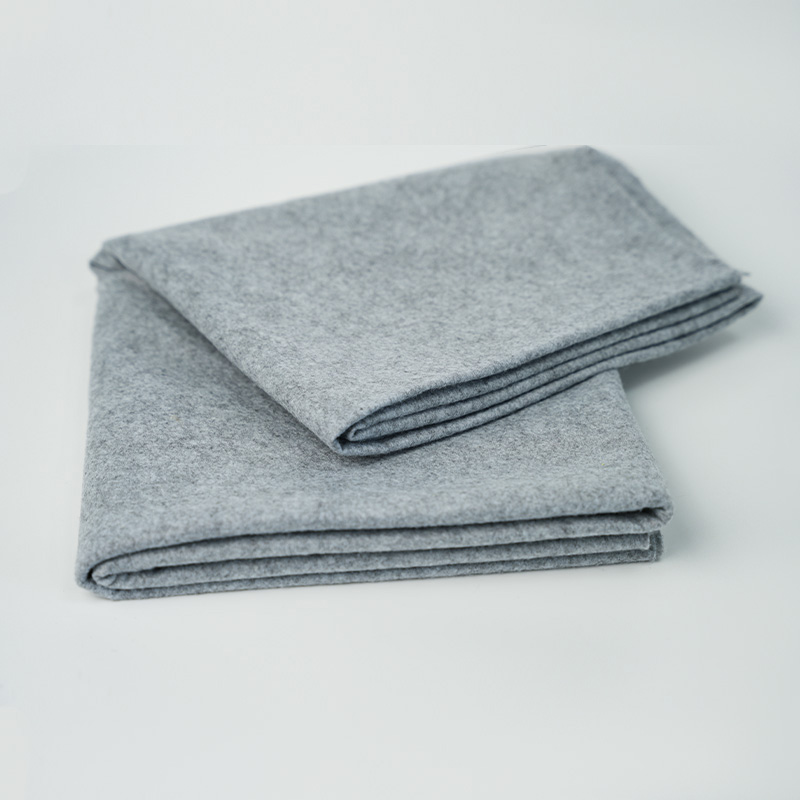
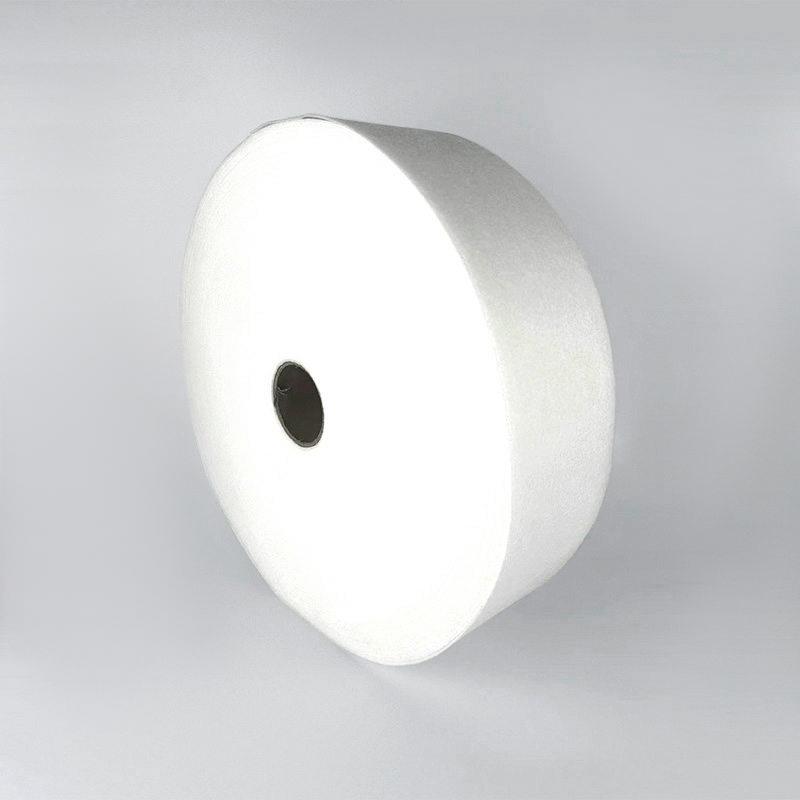
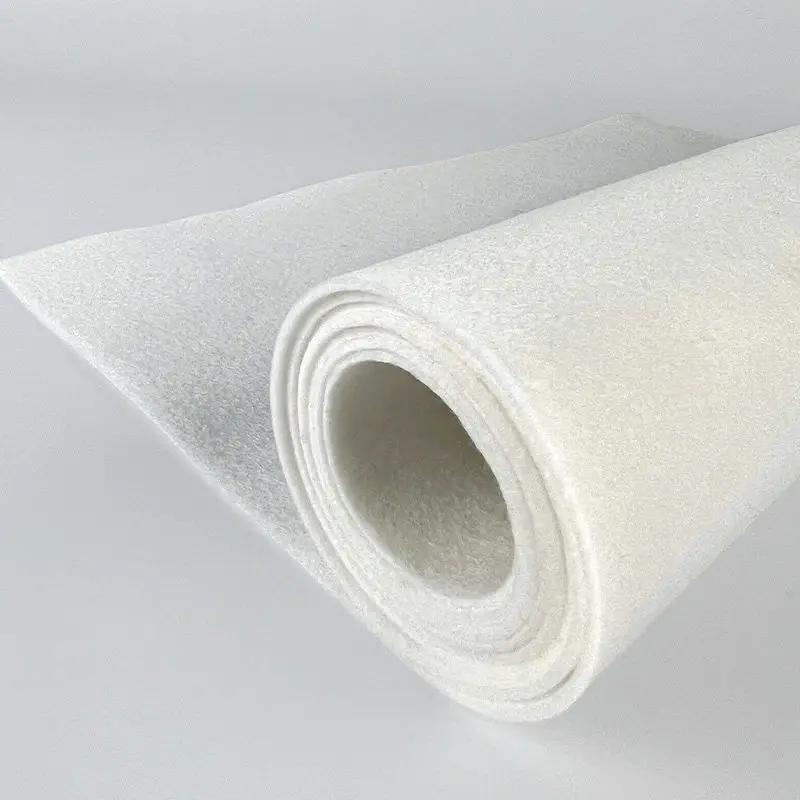
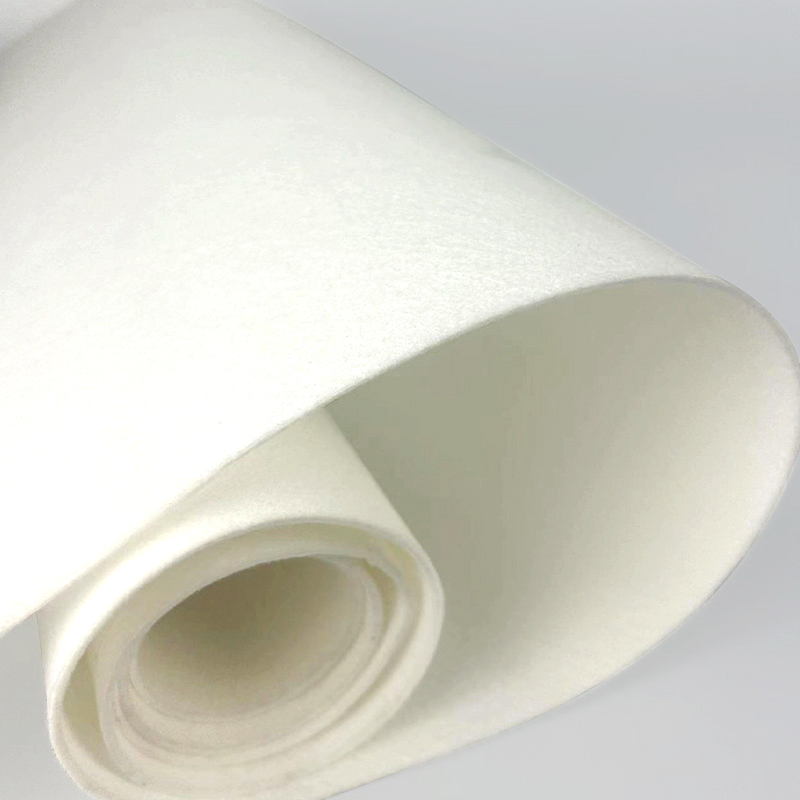
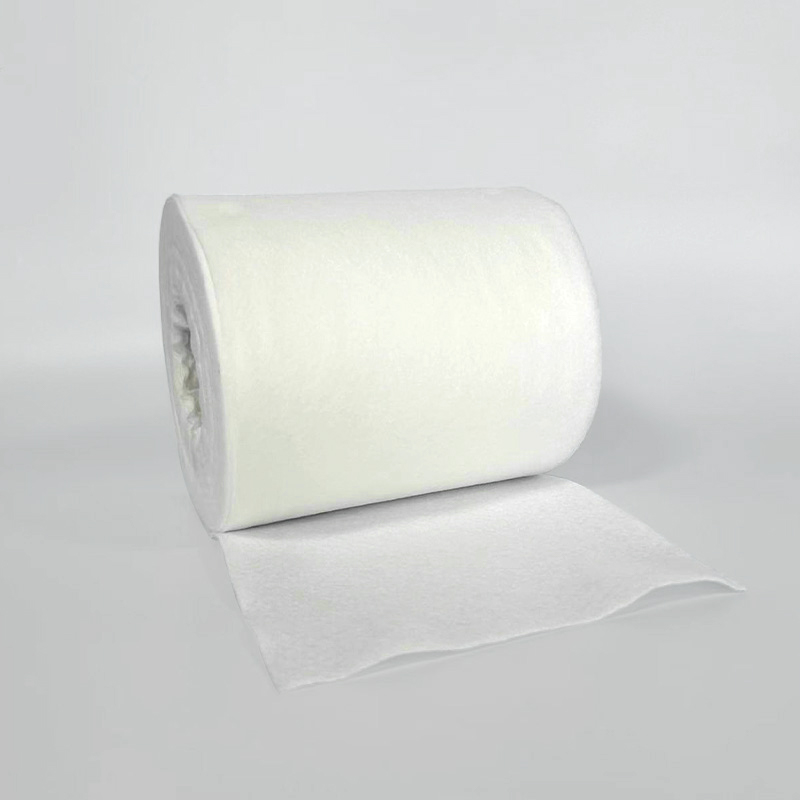
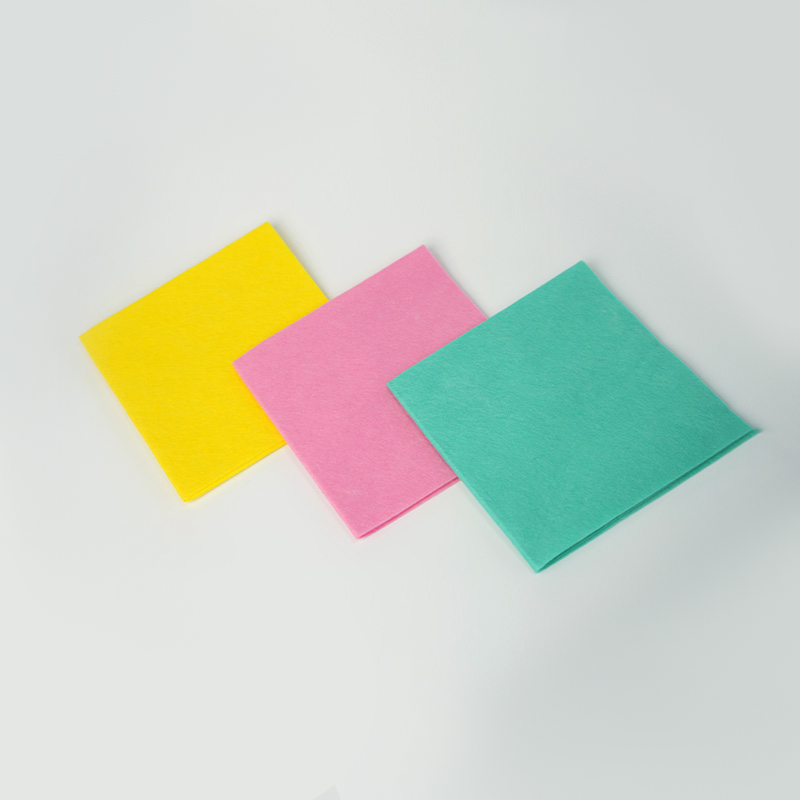
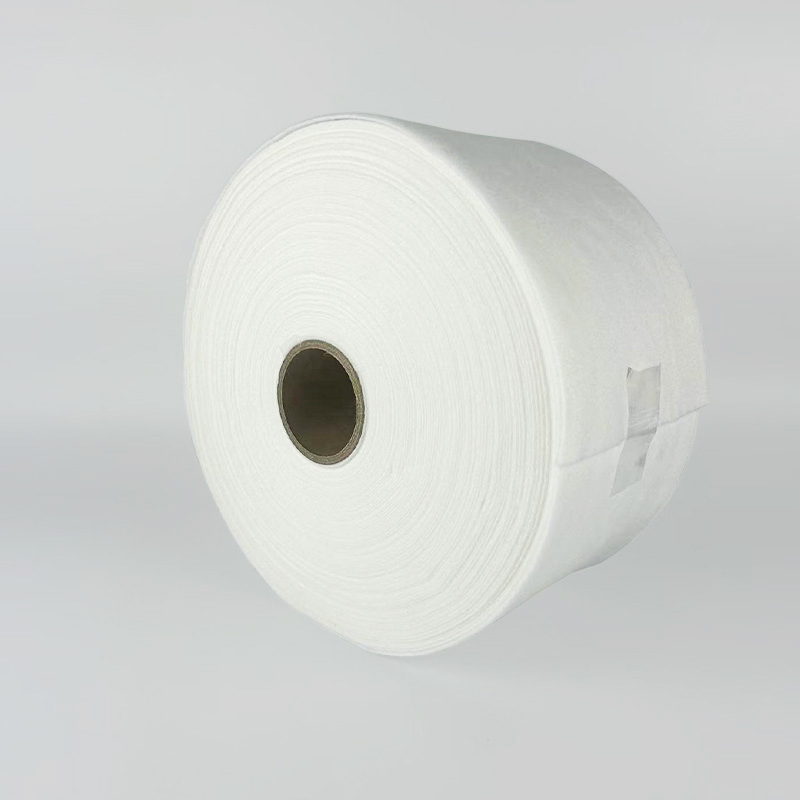
Needled Cotton, a non-woven fabric material widely used in the textile industry, has gained a crucial position in various fields due to its unique production process and excellent performance. Compared with traditional textile materials, needled cotton exhibits significant advantages in softness, breathability, and durability, gradually becoming an indispensable material in modern textile manufacturing.
The production process of needled cotton is a complex and precise technical process involving multiple specialized equipment and technical operations. Simply put, needled cotton is formed by interweaving fibers together using a special needle punching technique, creating a non-woven fabric with a fixed structure. During the production process, cotton fibers or other natural or synthetic fibers are first processed in a specific way to make them suitable for needle punching. Then, using high-speed needle punching equipment, special needles are used to interweave the fibers, ultimately forming the needled cotton product we know.
The core of this process lies in the design of the needle punching machine's needles and the control of the needle punching frequency. Through precise control of these factors, the resulting needled cotton not only possesses excellent structural integrity and stability but can also achieve different thicknesses, densities, and breathability requirements, meeting the different standards of various applications.
Needled cotton stands out among many materials because of its unique performance characteristics. The following are some of the most prominent performance advantages of needled cotton:
Due to the relatively loose arrangement of fibers in needled cotton, it has good breathability. This structure allows air to circulate freely within it, enabling needled cotton to maintain a high level of comfort in various environments. In addition, needled cotton also has good moisture absorption, quickly absorbing and releasing moisture. This characteristic makes it perform excellently in various applications requiring moisture management, such as materials commonly used in medical, hygiene, and sports products.
Although needled cotton appears lightweight, its fibers are tightly interwoven, giving it high strength and abrasion resistance. Whether in high-intensity use environments or in products requiring long-term use, needled cotton can maintain its excellent physical properties, avoiding the problems of wear and tear common in conventional textiles.
Needle-punched cotton uses natural fibers or environmentally friendly synthetic fibers as raw materials. After being processed through the needle-punching process, these materials exhibit a softer texture than traditional fabrics. Its unique softness and comfort make needle-punched cotton one of the preferred materials for consumers in household goods, clothing, and bedding.
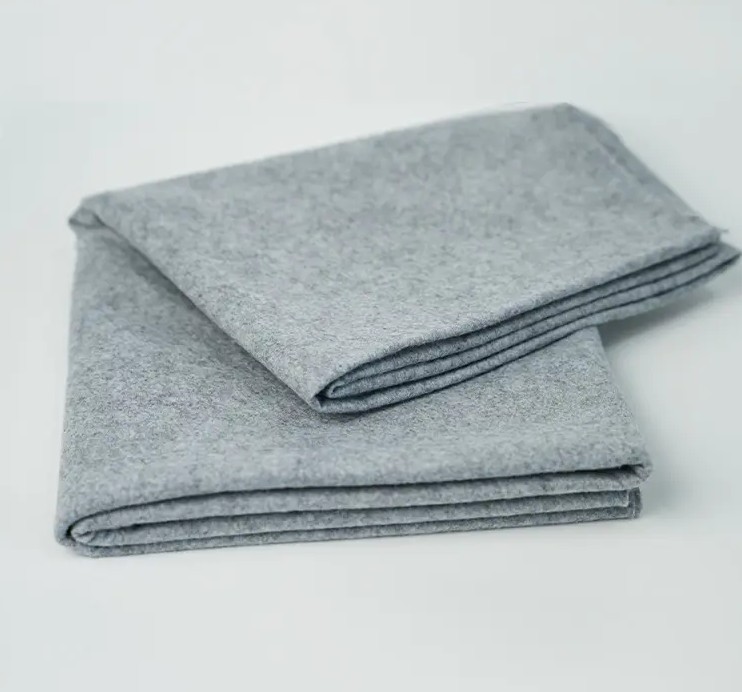
With the continuous improvement of environmental awareness, needle-punched cotton is highly favored in the market because most of the raw materials used in its production are natural or environmentally friendly synthetic fibers, and the production process is relatively simple, without generating a large amount of waste. Needle-punched cotton not only conforms to today's green and environmentally friendly trend but also strives to reduce its environmental impact in quality control, becoming a preferred material in many environmentally friendly industries.
Due to its versatility and high performance, needle-punched cotton has been widely used in multiple industries and fields, covering everything from medical to household goods, from industry to agriculture. The following are some of the main application scenarios for needle-punched cotton.
In the medical and healthcare field, needle-punched cotton has become an important material due to its high moisture absorption, breathability, and softness. It is often used in the manufacture of dressings, wound coverings, masks, and other medical supplies, helping to improve patient comfort and promote wound healing. Needle-punched cotton can not only effectively isolate external pollutants but also has good breathability, which helps keep wounds dry and thus reduces the risk of infection.
The softness of needle-punched cotton makes it widely used in the clothing and home furnishings fields. In bedding, sofa covers, clothing fillings, and other products, needle-punched cotton not only provides a comfortable feel but also has good thermal insulation properties. Due to its strong durability, home furnishings filled with needle-punched cotton have a longer service life, which makes consumers prefer this material.
In the industrial field, the high strength and wear resistance of needle-punched cotton make it an ideal filter material. In some industrial filters and air purification equipment, needle-punched cotton is often used as a filter medium to ensure the cleanliness of air or liquids. In addition, needle-punched cotton is also commonly used in ground protection, sound insulation materials, vehicle interiors, and many other industrial applications, playing an important role.
The environmental friendliness of needle-punched cotton has led to its increasing application in the agricultural field. For example, in waterproofing, soil protection, and agricultural irrigation, needle-punched cotton can effectively prevent soil erosion and provide good protective coverage. Needle-punched cotton can also be used in ecological restoration projects to protect soil and improve the ecological environment.
The main difference between needle-punched cotton and ordinary cotton lies in the processing technology. Needle-punched cotton uses needle-punching technology to interweave fibers into a fabric, while ordinary cotton is usually processed into yarn through textile processes. This gives needle-punched cotton better structural integrity and stability, and allows it to demonstrate stronger performance advantages in multiple fields.
Needle-punched cotton is usually divided into natural fiber needle-punched cotton and synthetic fiber needle-punched cotton, depending on the raw materials used. Natural fiber needle-punched cotton mainly uses natural fibers such as cotton and wool as raw materials, while synthetic fiber needle-punched cotton is made from synthetic fibers such as polyester and nylon.
Compared with traditional fabrics, needle-punched cotton has stronger breathability, moisture absorption, and durability, while also being softer, making it suitable for various high-performance applications. Needle-punched cotton also has strong advantages in terms of environmental protection, meeting the requirements of current green production.

Enterprise tenet: service-based, quality for survival, science and technology for development
 +86-15151778356
 No. 121 Huangnilou, Yangqiao Village, Zhitang Town, Changshu City, Jiangsu Province, China
Copyright © Changshu Mingyun Hongshun Non woven Products Co., Ltd. All Rights Reserved. Custom OEM/ODM Environmental Nonwoven Fabrics Products Manufacturers


 English
 中文简体
中文简体 русский