2026-02-01
Ensuring product quality and consistency is paramount for Needled Cotton Manufacturers, especially given the diverse applications and industries that rely on needle-punched cotton products. From the medical to the textile industries, the need for durable, high-quality cotton products has driven manufacturers to adopt a variety of quality control measures. This article explores the key factors behind maintaining top-tier product quality and consistency, providing insights for both small businesses and large-scale manufacturers.
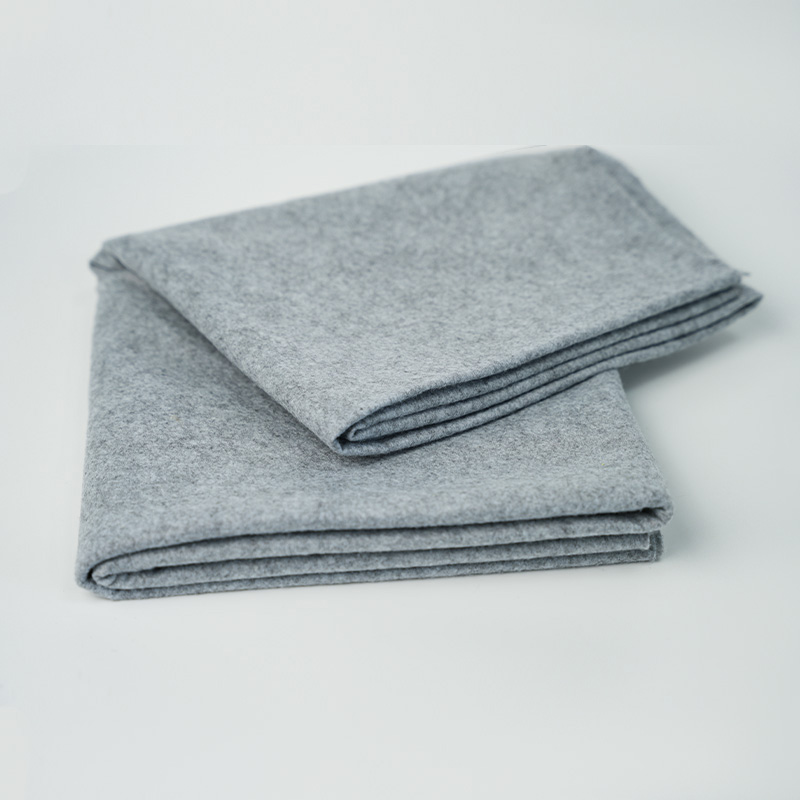
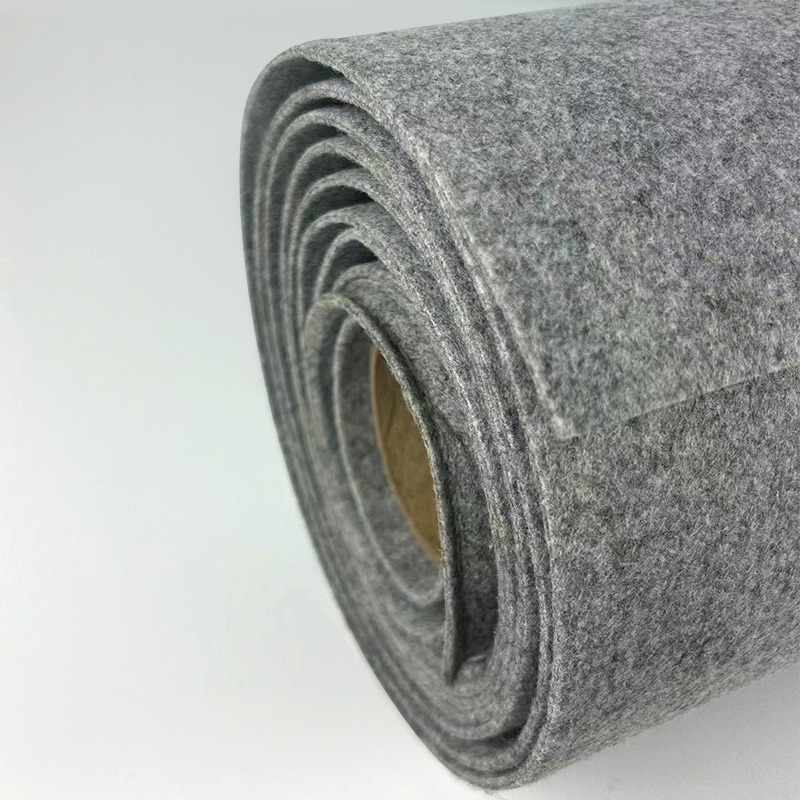
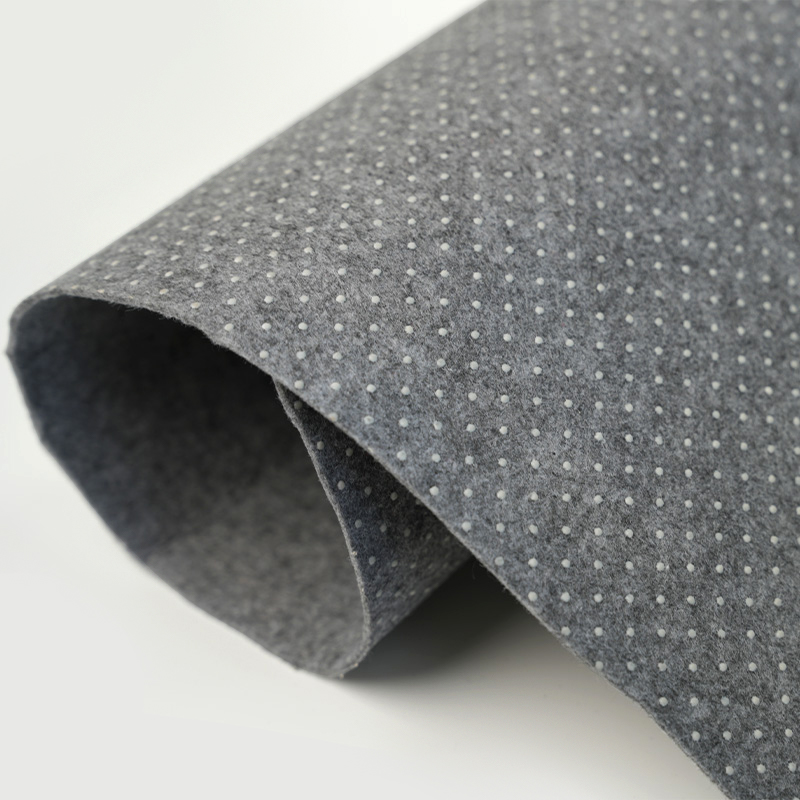
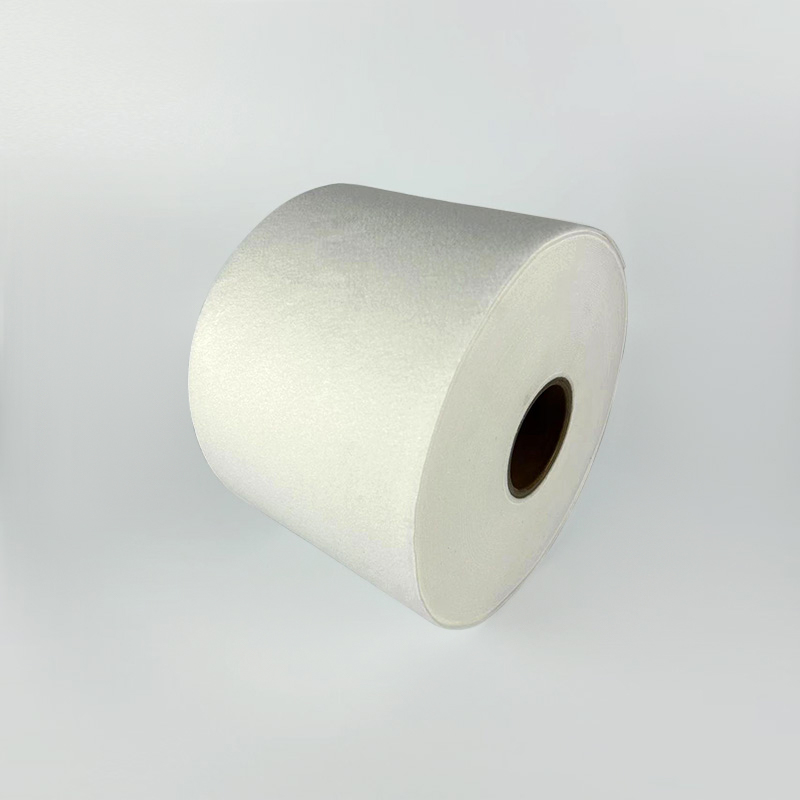
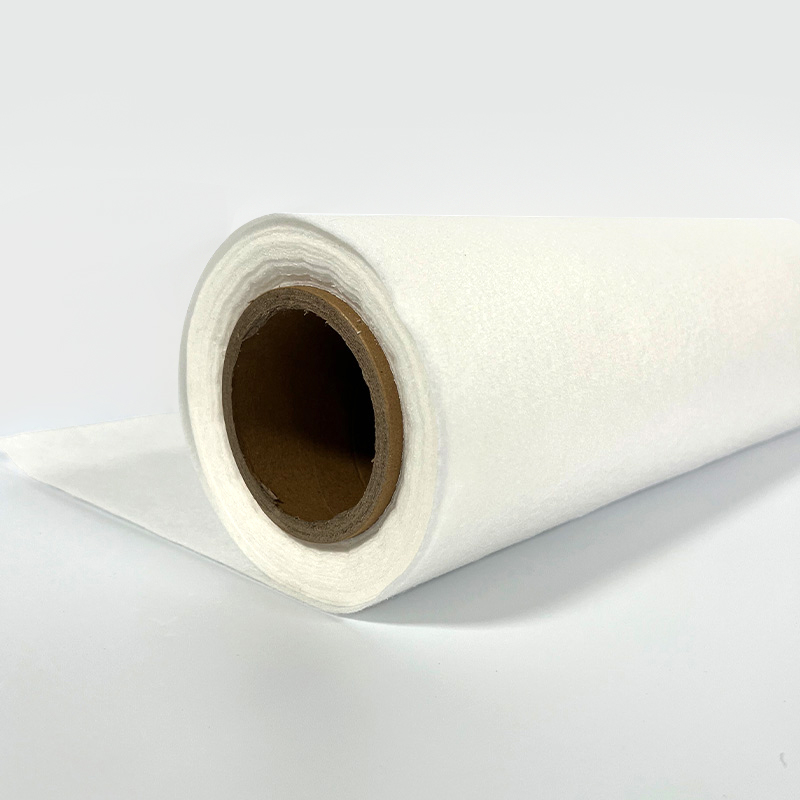
Needled Cotton is distinct due to its specific manufacturing process, where cotton fibers are mechanically "needled" to form a dense, stable material. Unlike regular cotton, which is spun or woven, needle-punched cotton is compressed and bonded without the need for chemical adhesives, giving it increased durability and a variety of functional uses.
To ensure product quality, Needled Cotton Manufacturers utilize automation and advanced machinery to monitor the needling process in real-time. Automated systems track factors like pressure, speed, and needle density to prevent inconsistencies that could affect the final product.
The quality of raw materials is critical in ensuring consistent production. Manufacturers must source high-quality cotton fibers to avoid variations in texture, durability, and performance. Many manufacturers implement stringent supplier quality checks before beginning production.
Product testing is essential in maintaining consistency. Common testing methods for Needled Cotton include:
Sampling and regular product inspections ensure that every batch meets predefined quality standards. Inconsistent products are isolated and refined to match exact specifications before shipping to clients.
Maintaining consistency in large-scale production is challenging but achievable with proper batch control. Manufacturers use sophisticated batch tracking systems to ensure that each production run maintains the same specifications, even when scaling up output. Automated systems also enable batch-to-batch consistency, reducing human error.
Small businesses face a unique challenge: balancing cost with quality. Affordable Needled Cotton Manufacturers often offer a range of pricing structures, which may vary depending on production scale and customization needs. However, ensuring that product quality isn't compromised is critical for maintaining brand reputation.
While lower prices are tempting, cutting corners on materials or manufacturing standards can result in inferior products. Small businesses should seek manufacturers that offer cost-effective pricing while adhering to industry standards for quality control.
Another consideration for small businesses is whether to choose local or global manufacturers. Local manufacturers may offer quicker delivery times and better communication, but global manufacturers may provide cost benefits due to larger economies of scale.
| Criteria | Local Manufacturers | Global Manufacturers |
|---|---|---|
| Cost | Higher | Lower |
| Lead Time | Shorter | Longer |
| Communication | More Direct | Potential Language Barriers |
Geographic location plays a crucial role in determining the quality of Needled Cotton Manufacturers. For example, regions with a high density of cotton farming can provide superior raw materials, while those with advanced textile technology can ensure better production capabilities.
Medical applications demand the highest quality and consistency from Needled Cotton Manufacturers. Products used in medical settings, such as wound dressings, require materials that meet rigorous standards for sterility, absorbency, and durability.
For medical-grade needle-punched cotton, manufacturers must adhere to strict medical standards such as FDA regulations and ISO certification. This ensures that all products are safe for patient use and meet the necessary performance criteria.
For home textile applications, customization is key. Custom Needled Cotton Manufacturers work closely with customers to create tailored solutions that meet aesthetic and functional needs, all while ensuring consistency in production.
Ensuring consistent quality during customization requires specialized equipment and skilled workers. Manufacturers often test samples to ensure that customized products meet the agreed-upon specifications before full-scale production begins.
As the demand for sustainable products increases, many manufacturers have adopted eco-friendly practices in the production of Needled Cotton. This includes sourcing raw materials from certified sustainable cotton farms and implementing energy-efficient production techniques.
While the demand for eco-friendly products grows, balancing sustainability with cost and production efficiency can be challenging. Innovations in biodegradable materials and energy-efficient machinery are helping manufacturers meet these challenges.
Ensuring product quality and consistency is essential for Needled Cotton Manufacturers across all industries. By focusing on process monitoring, material sourcing, and adherence to international standards, manufacturers can produce high-quality needle-punched cotton products that meet the diverse needs of their customers. Whether catering to small businesses or large-scale industrial applications, maintaining quality is the key to success.
Needled cotton is created by punching fibers through a fabric using needles, which bonds the fibers together without the need for adhesives. This gives it more durability and specific functional properties.
Small businesses should look for manufacturers who offer competitive pricing while ensuring quality by selecting the right suppliers and negotiating cost-effective pricing for bulk orders.
For medical applications, manufacturers must comply with strict standards like FDA regulations and ISO certifications to ensure the safety, sterility, and reliability of the products.
Eco-friendly needled cotton is sourced from sustainable cotton farms and produced using energy-efficient methods, reducing the environmental impact and promoting sustainability.
Manufacturers ensure consistency through advanced automation, batch control systems, and regular product inspections, minimizing human error and maintaining quality throughout production.

Enterprise tenet: service-based, quality for survival, science and technology for development
 +86-15151778356
 No. 121 Huangnilou, Yangqiao Village, Zhitang Town, Changshu City, Jiangsu Province, China
Copyright © Changshu Mingyun Hongshun Non woven Products Co., Ltd. All Rights Reserved. Custom OEM/ODM Environmental Nonwoven Fabrics Products Manufacturers


 English
 中文简体
中文简体 русский