2026-02-08
Needle Punched NonWoven Fabrics are increasingly becoming the material of choice in a wide range of industries, owing to their versatility and strength. This fabric, made using a unique needle-punching process, finds applications in automotive, construction, filtration, and industrial sectors. In this article, we will explore the key manufacturing processes involved in creating Needle Punched NonWoven Fabrics and how these fabrics stand out in various industries.
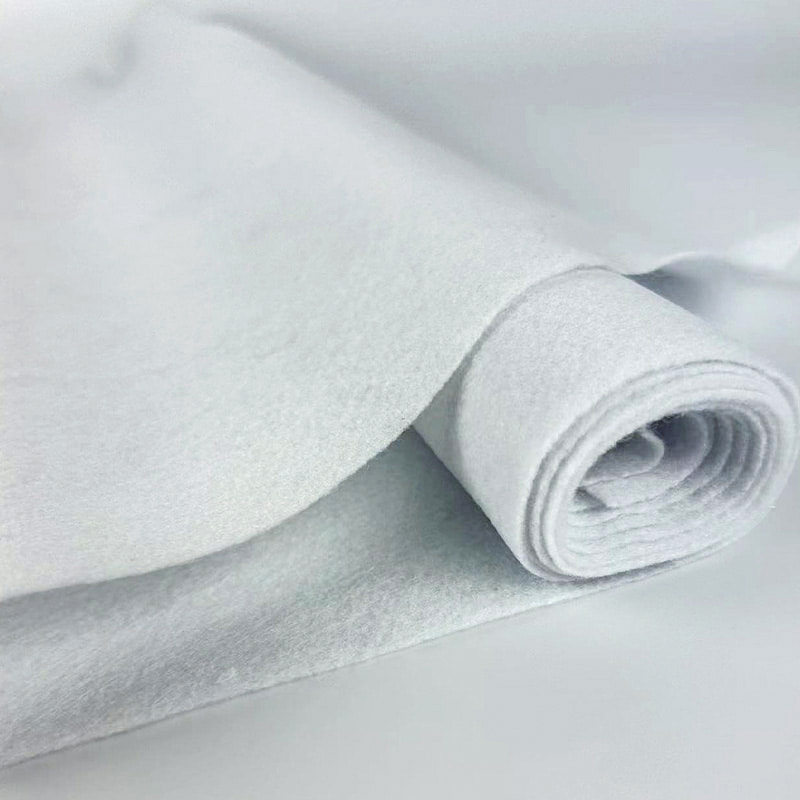
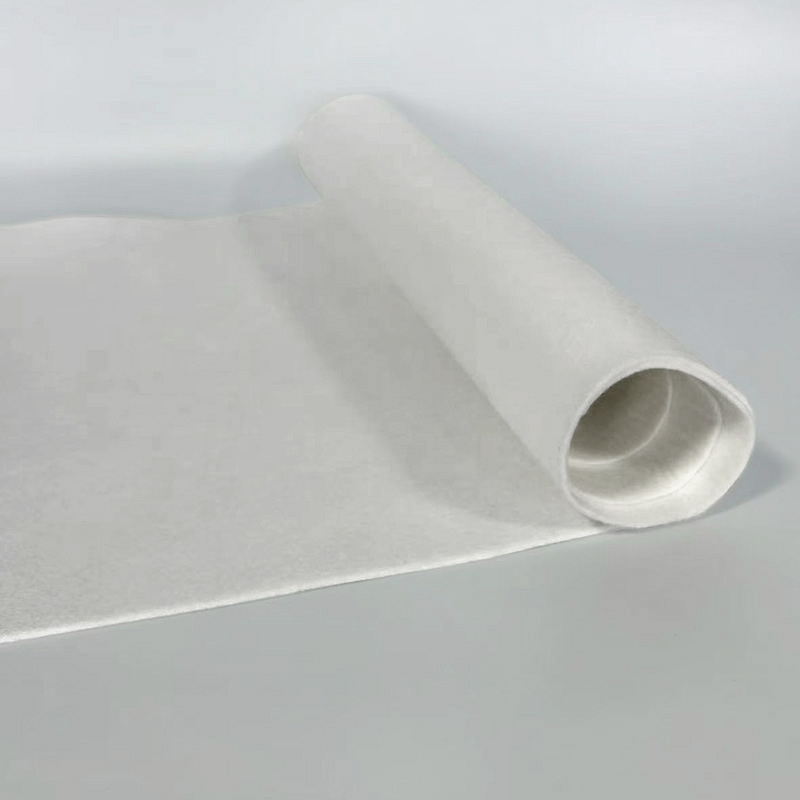
Needle Punched NonWoven Fabrics are materials produced by mechanically bonding fibers through a process where barbed needles are repeatedly driven into a web of fibers. Unlike woven fabrics, which are made by weaving fibers together, nonwoven fabrics are produced without any weaving or knitting process, making them more cost-effective and versatile for various applications.
The needle punching process imparts several key advantages to these fabrics, such as superior strength, durability, and resistance to wear and tear. Additionally, these fabrics can be engineered for specific functions such as filtration, insulation, and anti-microbial properties. Unlike woven or knitted fabrics, needle-punched fabrics do not fray, making them ideal for high-performance applications.
The first step in manufacturing Needle Punched NonWoven Fabrics is the selection of raw materials. Fibers are carefully chosen based on the end-use application. Common fibers include polyester, polypropylene, and nylon. These fibers are prepared by opening and carding, which disentangle and align them into a loose, uniform web. The choice of fiber directly influences the fabric's final properties, such as strength, softness, and environmental impact.
The core of the manufacturing process is needle punching. In this process, a large number of barbed needles are repeatedly driven into the fiber web, entangling the fibers and bonding them together. The depth and number of needle penetrations determine the final fabric density and texture. This process can be done in multiple stages to achieve the desired level of strength and texture.
Once the fibers are entangled, the fabric is subjected to further processing to stabilize the structure. This can include heat setting or calendaring, where the fabric is passed through rollers under heat and pressure to further bond the fibers and give the fabric its final appearance and texture.
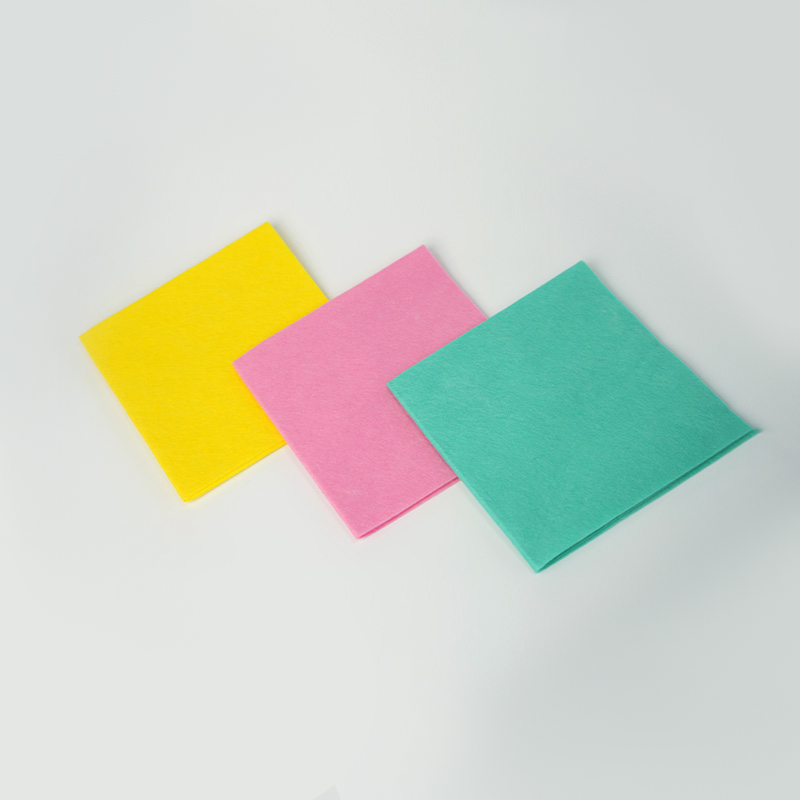
After the fabric is formed, it undergoes post-treatment to enhance its performance. This can include dyeing, coating, or applying chemical finishes such as anti-bacterial or flame-retardant treatments. Quality control is essential, and fabrics are rigorously tested for consistency in texture, strength, and other mechanical properties. Additionally, environmental concerns have driven the demand for eco-friendly Needle Punched NonWoven Fabrics for industrial use, which are made with recyclable fibers and sustainable processes.
The global market for Needle Punched NonWoven Fabrics is growing steadily, with key production hubs located in China and other Asian countries. The demand for these fabrics is increasing due to their wide range of industrial applications. As companies strive to meet sustainability goals, there is a rising trend toward using eco-friendly materials and processes in manufacturing.
Technological advancements in the needle punching process are expected to improve fabric quality and production efficiency. Innovations such as the use of biodegradable fibers and automated machinery are paving the way for more sustainable manufacturing practices, especially in sectors like automotive and construction.
Needle Punched NonWoven Fabrics for automotive applications are crucial in reducing noise and enhancing insulation in vehicle interiors. The fabrics are also used for carpet backing and seat upholstery, offering a lightweight yet durable solution for manufacturers.
Affordable Needle Punched NonWoven Fabrics for construction are widely used as geotextiles, insulation materials, and for filtration in drainage systems. Their robustness and cost-effectiveness make them ideal for construction projects, especially in road building and land reclamation.
In filtration applications, the benefits of Needle Punched NonWoven Fabrics in filtration are evident in industries such as water treatment and air purification. These fabrics offer high filtration efficiency and can be tailored to meet specific industry requirements.
The manufacturing process of Needle Punched NonWoven Fabrics is complex and involves several stages, each contributing to the final product’s strength, durability, and performance. The flexibility of this material makes it suitable for a variety of industries, from automotive to construction and filtration. With technological advancements and increasing demand for eco-friendly solutions, the future of needle-punched fabrics looks promising.
Needle Punched NonWoven Fabrics are durable, cost-effective, and versatile. They are used across various industries for insulation, filtration, and automotive applications.
The manufacturing process involves fiber selection, needle punching, forming, and post-treatment to ensure the fabric's quality and functionality.
Industries such as automotive, construction, filtration, and industrial manufacturing commonly use these fabrics for their cost-effectiveness and durability.
Yes, many Needle Punched NonWoven Fabrics for industrial use are made from recyclable materials and can be produced using sustainable processes.
Needle Punched NonWoven Fabrics are made by entangling fibers through needle punching, whereas other nonwoven fabrics are produced through chemical bonding or thermal processes. This gives needle-punched fabrics enhanced strength and durability.

Enterprise tenet: service-based, quality for survival, science and technology for development
 +86-15151778356
 No. 121 Huangnilou, Yangqiao Village, Zhitang Town, Changshu City, Jiangsu Province, China
Copyright © Changshu Mingyun Hongshun Non woven Products Co., Ltd. All Rights Reserved. Custom OEM/ODM Environmental Nonwoven Fabrics Products Manufacturers


 English
 中文简体
中文简体 русский