2025-12-01
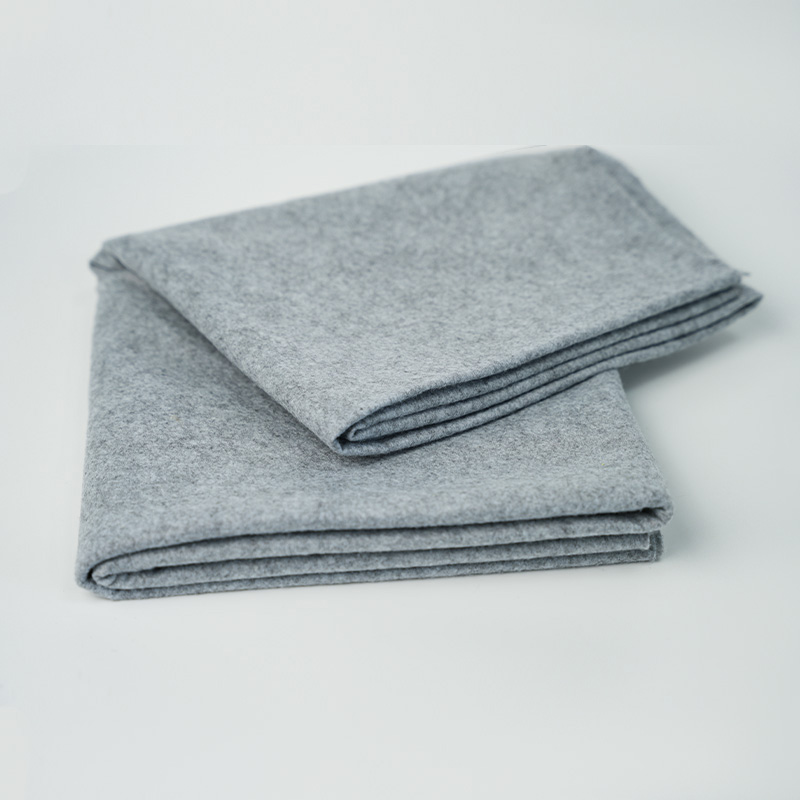
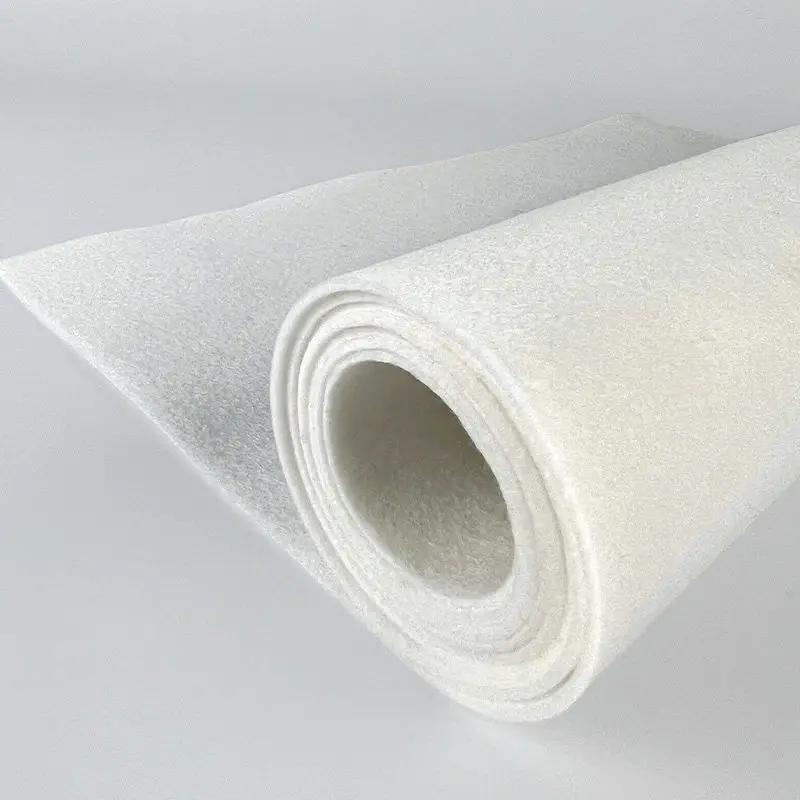
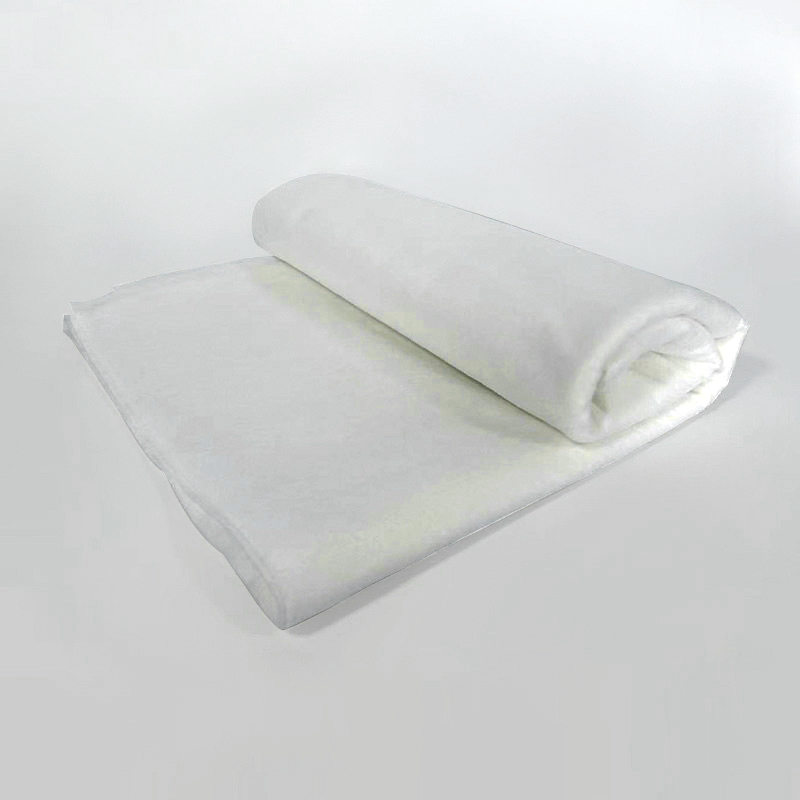
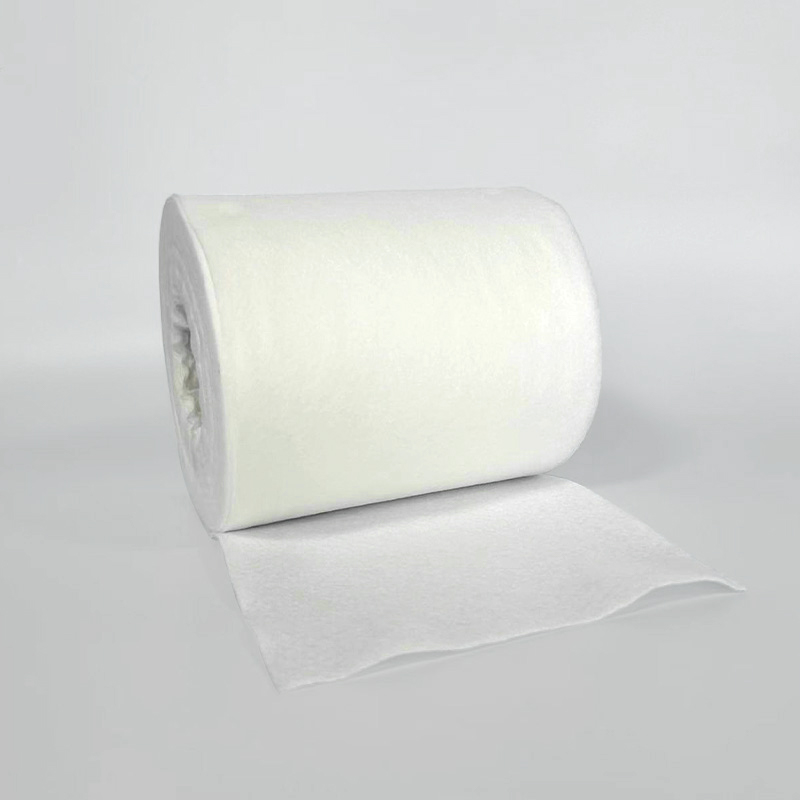
In the modern textile industry, Needled Cotton, as a high-performance nonwoven fabric material, is gradually gaining widespread attention. Its unique manufacturing process and superior performance demonstrate its strong application potential in multiple fields, including clothing, home furnishings, industry, and medicine. Needled cotton is not merely a material, but a bridge connecting traditional cotton fibers with modern technology, bringing new development opportunities to the textile industry.
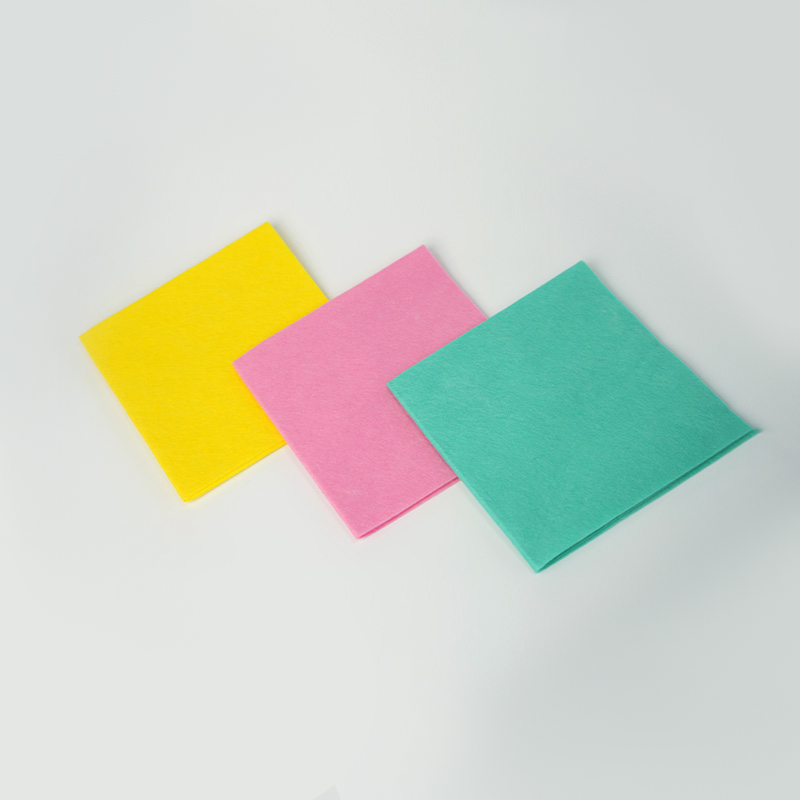
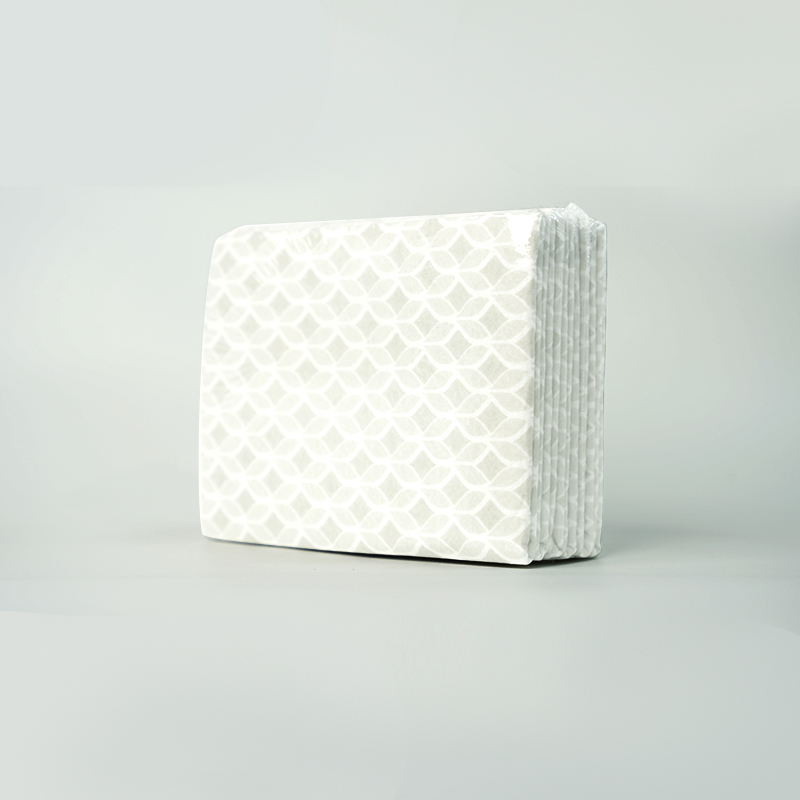
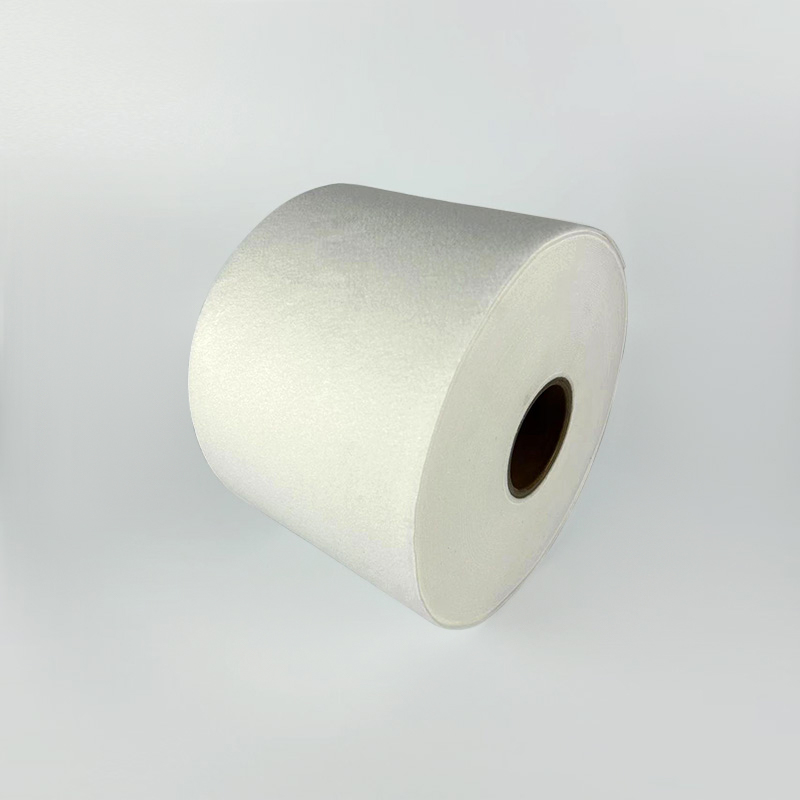
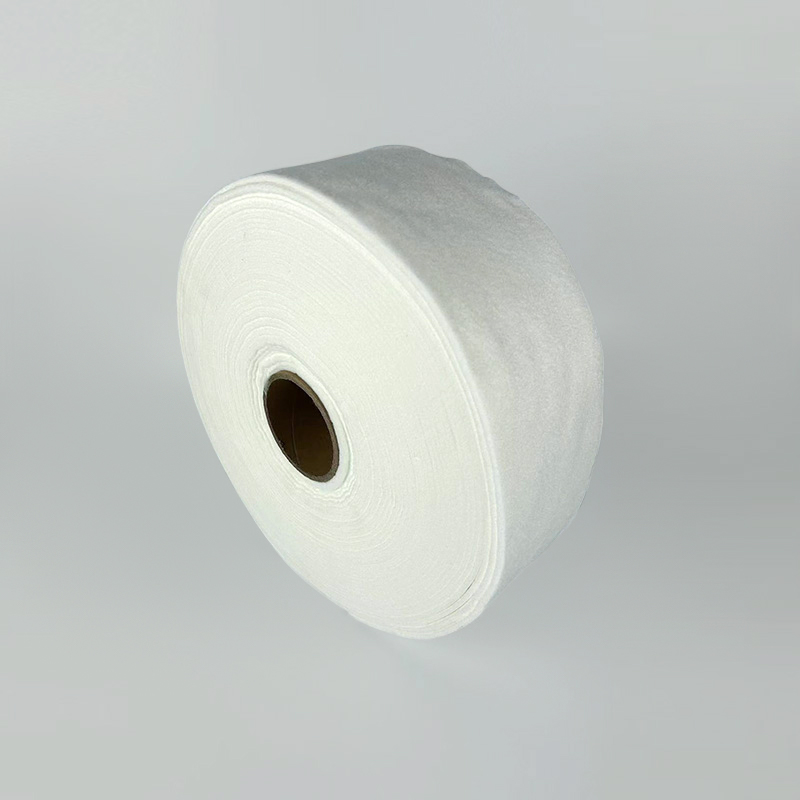
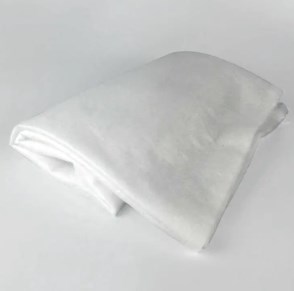
Needled Cotton, also known as needle-punched cotton, is a structurally stable and highly flexible material formed by mechanically needle-punching cotton fibers using nonwoven fabric technology. Unlike traditional cotton fabrics, needle-punched cotton does not require weaving or knitting processes; its structure primarily relies on the entanglement and mechanical piercing between fibers. This unique process allows needle-punched cotton to maintain the softness of natural cotton fibers while possessing higher strength and durability, adapting to more complex usage environments.
The core advantage of needle-punched cotton lies in its random arrangement and multi-layered interweaving of fibers, giving the material a high degree of adjustability in thickness, density, and flexibility. By altering the density, needle type, and fiber layup method of needle punching, a diverse range of material requirements can be met, from thin and light to thick and heavy, from soft to tough. This flexibility makes Needled Cotton a highly competitive innovative material in the textile industry.
The production process of Needled Cotton represents a crucial step in mechanized innovation within nonwoven fabric technology. Its main processes include several key steps such as fiber opening, web formation, needle punching, and finishing.
First, raw or recycled cotton is processed by opening equipment to ensure thorough fiber separation and uniform web formation. Subsequently, through multi-layer web formation, the fibers are evenly distributed according to the designed density, laying the foundation for subsequent needle punching.
The most critical step is the needle punching process. In this step, densely packed needles on a needle plate pierce the fiber layer at high speed, causing the fibers to mechanically interweave and entangle, forming a stable nonwoven structure. This piercing method not only improves the material's strength but also endows needled cotton with excellent flexibility and plasticity.
Finally, through heat treatment, calendering, or chemical finishing, the performance and surface texture of needled cotton are further optimized, enabling it to meet the application requirements of various fields.
Needled cotton boasts significant performance advantages, one of the reasons for its widespread popularity in the industry.
Needled cotton exhibits excellent mechanical properties. Its tightly interwoven fibers ensure stability under tension and compression, preventing deformation. It also offers good air permeability and moisture absorption, retaining the advantages of natural cotton fibers. Furthermore, process optimization allows for control over density and thickness, enabling functional customization.
Needled cotton also excels in durability and environmental friendliness. Its nonwoven structure reduces reliance on chemical adhesives, making the material more environmentally friendly and extending its lifespan. Its recyclability and biodegradability give needled cotton a clear competitive advantage in the context of sustainable development. In demanding applications such as medical, home, and industrial settings, needled cotton, with its reliable performance and stable quality, is gradually becoming the preferred material.
With continuous advancements in textile technology and diversification of market demands, the application areas of Needled Cotton are showing a trend of continuous expansion.
In the apparel sector, needle-punched cotton is not only used for interlinings and insulation layers, but also serves as an important component of functional fabrics, achieving a balance between comfort and durability.
In the home furnishing sector, needle-punched cotton is widely used in mattresses, sofas, curtains, and other soft furnishing products, its excellent elasticity and moisture absorption providing users with a superior experience.
The special performance requirements of materials in the industrial sector have also driven innovative applications of needle-punched cotton. Its compression resistance, thermal insulation, and abrasion resistance make it an important raw material for filter materials, packaging, and protective products.
In the medical industry, the breathability and softness of needle-punched cotton provide an ideal choice for medical dressings, surgical pads, and protective clothing, meeting the dual requirements of high hygiene standards and comfort. In the future, with the development of functional fibers and smart textile technologies, Needled Cotton is expected to play an even greater role in new composite materials and high-end textiles.
The development of Needled Cotton represents not only an advancement in the material itself, but also an innovative direction for nonwoven technology in the textile industry. As consumer demands for comfort, functionality, and environmental friendliness continue to rise, the market potential of needle-punched cotton continues to expand.
Enterprises are focusing on process optimization, functional expansion, and green manufacturing in production and R&D, gradually transforming needle-punched cotton from a traditional filling material into a high-value-added functional material.
From a supply chain perspective, the development of needle-punched cotton has driven upgrades in fiber supply, equipment manufacturing, and post-processing technologies, providing new growth points for the entire textile industry. Simultaneously, with the application of intelligent manufacturing and automation technologies, the production efficiency and product consistency of Needled Cotton have been further improved, making it competitive in the global market.
As an innovative textile material, Needled Cotton, with its unique manufacturing process and superior performance, demonstrates immense application value in the modern textile industry. From soft comfort to functional customization, from environmental sustainability to high-performance industrial applications, the diverse characteristics of needle-punched cotton bring new possibilities to the industry. In the future, with the continuous development of technology and the increasing market demand, Needled Cotton will become an important force driving innovation and upgrading in the textile industry, bringing more promising application prospects.

Enterprise tenet: service-based, quality for survival, science and technology for development
 +86-15151778356
 No. 121 Huangnilou, Yangqiao Village, Zhitang Town, Changshu City, Jiangsu Province, China
Copyright © Changshu Mingyun Hongshun Non woven Products Co., Ltd. All Rights Reserved. Custom OEM/ODM Environmental Nonwoven Fabrics Products Manufacturers


 English
 中文简体
中文简体 русский