2025-12-08
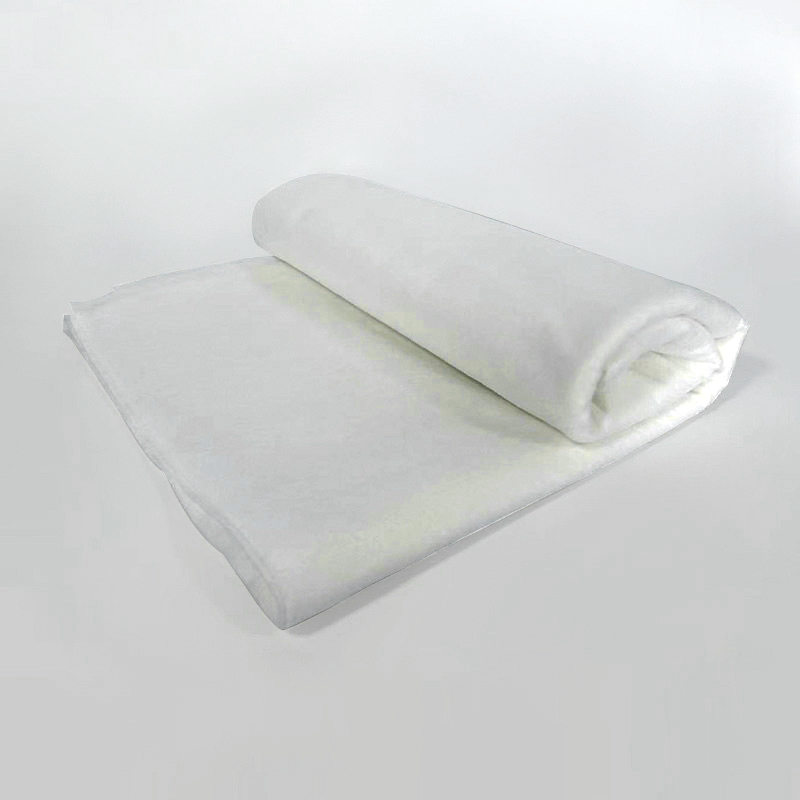
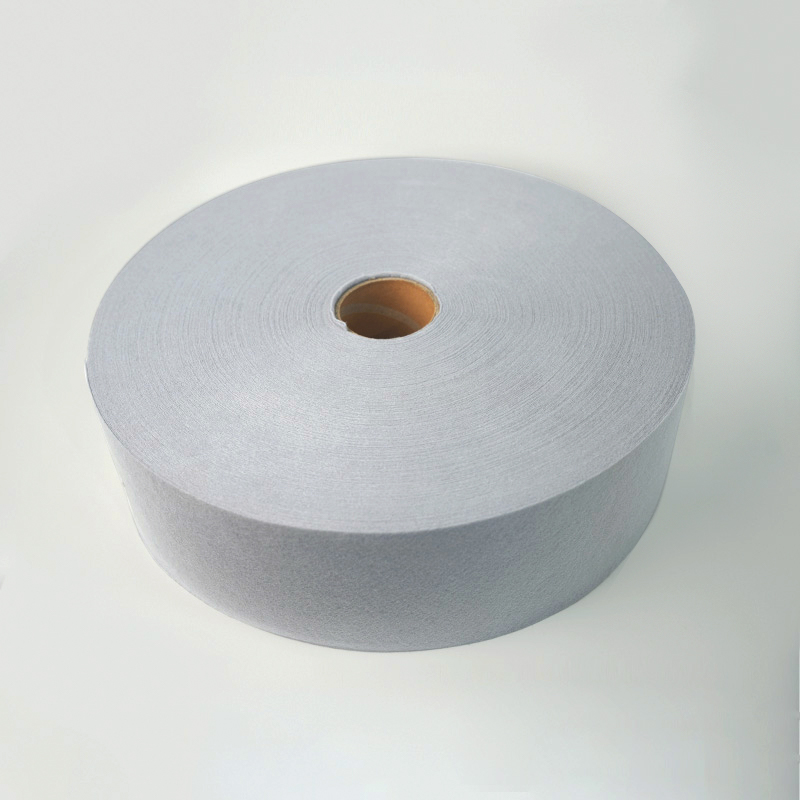
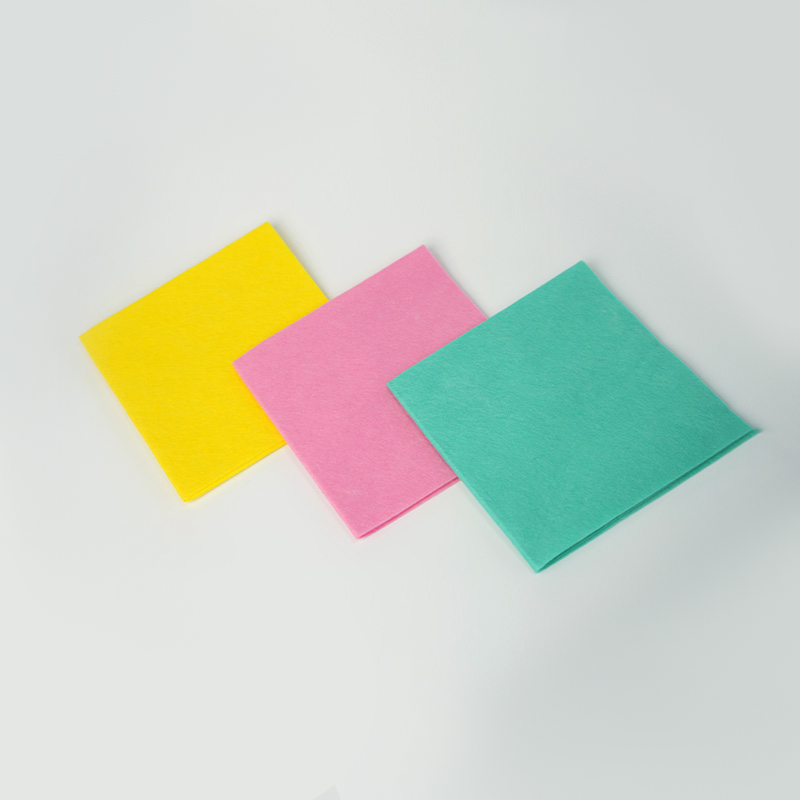
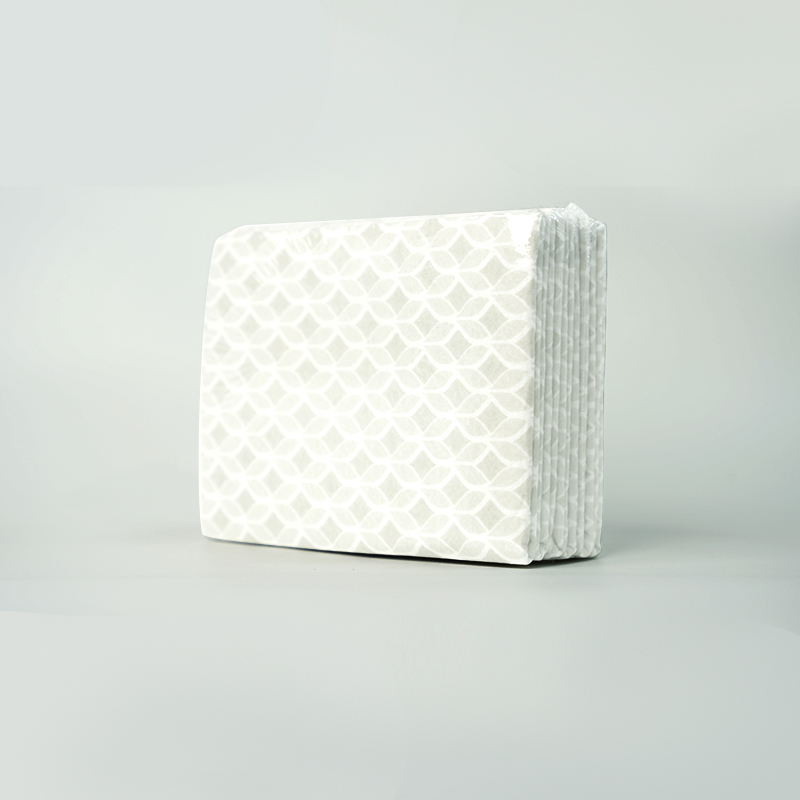
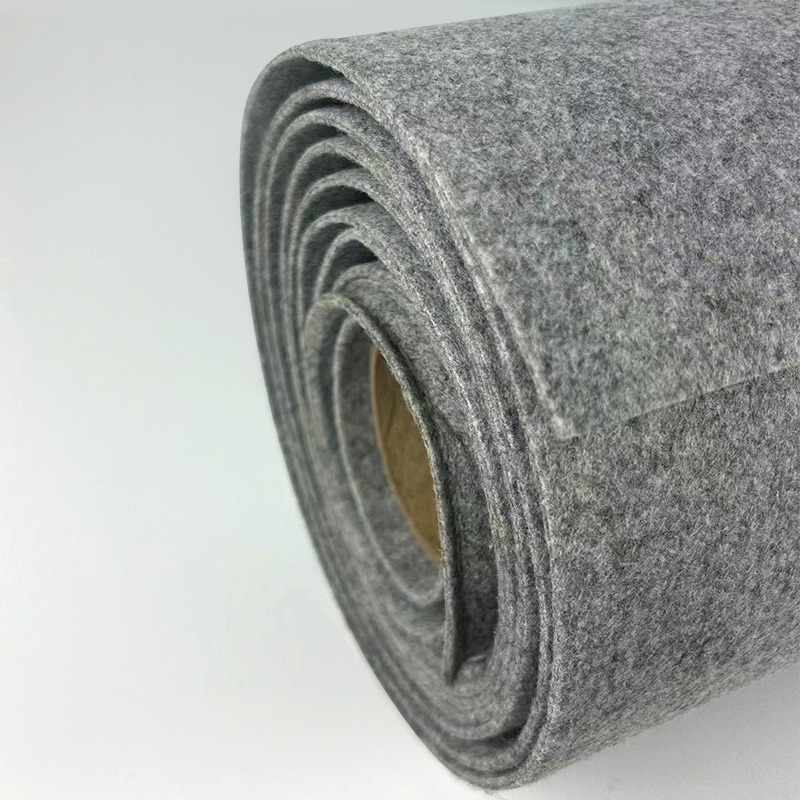
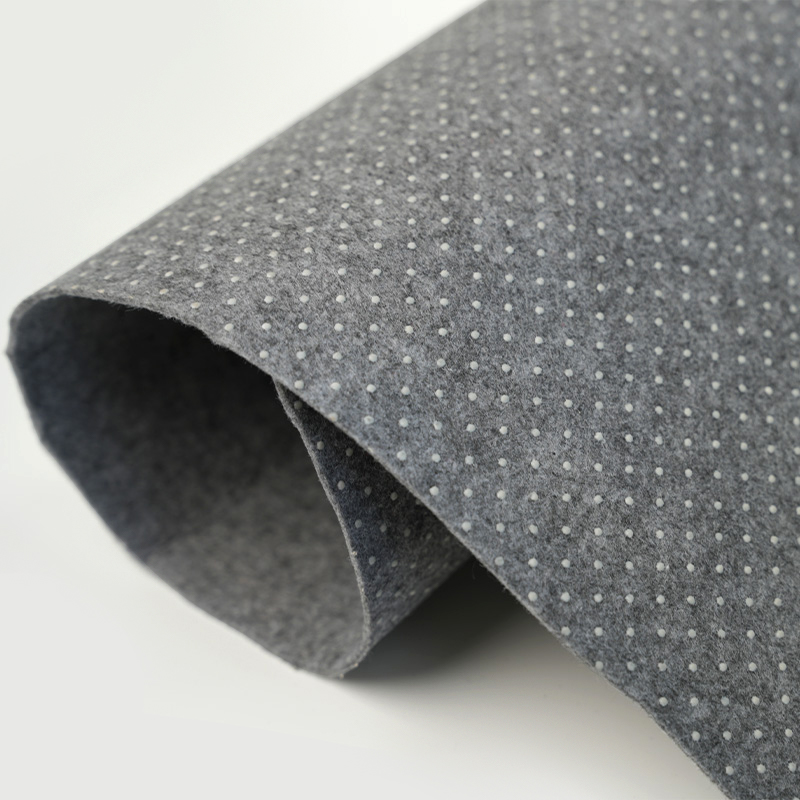
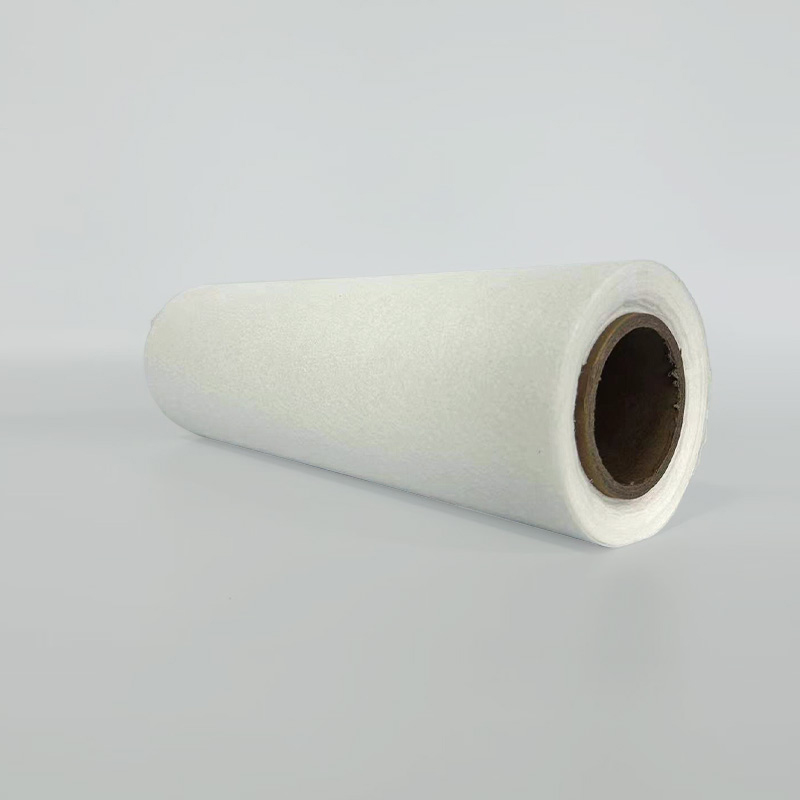
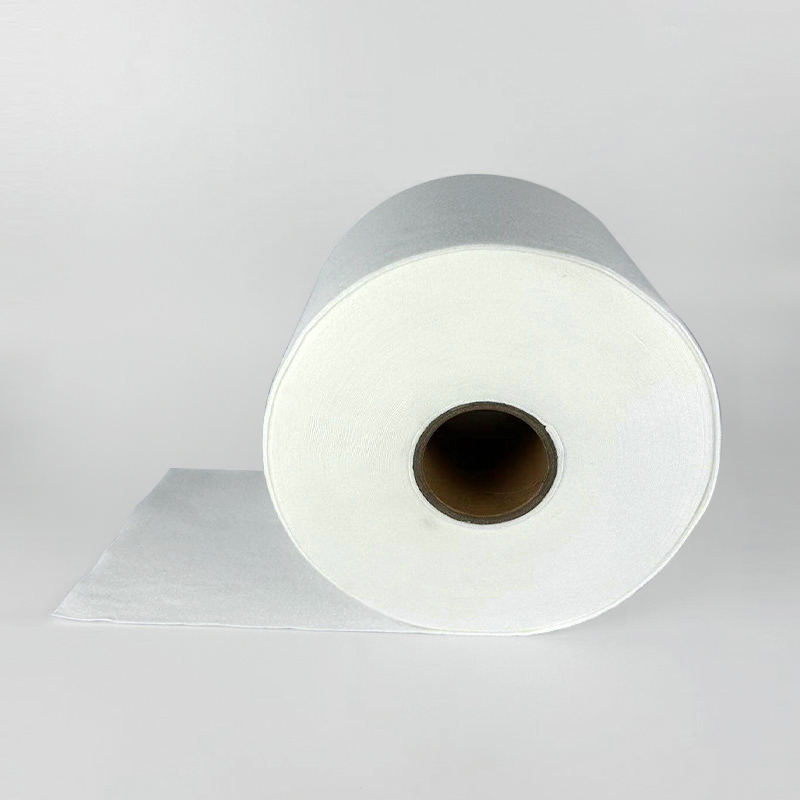
In the field of modern materials science, Needle Punch Nonwoven Felt, with its unique structure and excellent performance, has gradually become an important material choice in various fields such as industry, construction, textiles, and even decoration. Compared with traditional textiles, needle-punched nonwoven felt has stronger structural stability and flexibility, meeting diverse application needs.
Needle Punch Nonwoven Felt uses mechanical needle punching technology to interweave fibers into a felt-like structure, forming a dense and stable nonwoven material. This material is not woven or knitted, but rather the fibers are directly fixed together through a needle punching process, thus forming a continuous and uniform felt layer. Its significant feature is the intertwined and penetrating structure between fibers, which gives the material good tear resistance and high strength, while maintaining a certain degree of softness and thickness uniformity.
The raw materials for needle-punched nonwoven felt are flexible, ranging from natural fibers to synthetic fibers. Combinations of different fiber types can give the material diverse properties. For example, synthetic fibers can improve abrasion resistance and water resistance, while natural fibers help improve breathability and environmental performance. It is precisely this unique material structure that gives needle-punched nonwoven felt its multifunctionality and high reliability.
The manufacturing process of needle-punched nonwoven felt plays a decisive role in its final performance. The core processes include three stages: fiber web formation, needle punching and bonding, and post-treatment. The fiber web formation stage determines the uniformity of fiber distribution and initial thickness, while the needle punching stage interlocks and fixes the fibers, giving the material mechanical strength. Post-treatment can further optimize the felt's density, softness, and surface properties through methods such as hot pressing, twisting, or chemical treatment.
Adjustments to different process parameters directly affect the material's thickness uniformity, air permeability, compression resilience, and abrasion resistance. For example, increasing the needle punching density usually increases the overall strength and durability of the felt, while matching the needle punching speed with the fiber type affects the surface smoothness and softness. Therefore, the manufacturing process is not only the core guarantee of the performance of needle-punched nonwoven felt but also determines its applicability in different applications.
From a functional perspective, Needle Punch Nonwoven Felt boasts significant advantages in several performance indicators. Firstly, it possesses high mechanical strength, capable of withstanding long-term friction and pressure without easily deforming. Secondly, its uniform material density and thickness result in excellent sound absorption, heat insulation, and cushioning properties. Thirdly, its good flexibility allows for both curling and cutting, adapting to complex shape applications. Furthermore, needle punch nonwoven felt exhibits water resistance, corrosion resistance, and certain fire resistance, ensuring stable performance in industrial and construction environments.
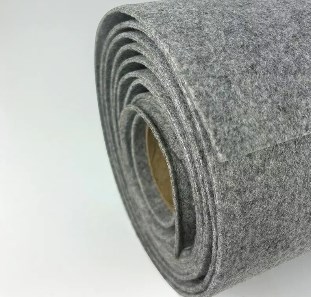
It is worth noting that needle punch nonwoven felt also holds potential in terms of environmental protection and sustainability. The use of natural fibers or biodegradable materials reduces its environmental burden during waste disposal, while the recycling of synthetic fibers is gradually becoming an important direction in materials research and development. Overall, the balance between performance and sustainability keeps needle punch nonwoven felt highly valued in the market.
The application range of needle punch nonwoven felt covers multiple fields, and its unique properties allow it to perform different functions in each scenario. In industrial applications, it is commonly used as a sealing, sound insulation, and vibration damping material; in construction and decoration, it can be used as carpet backing, thermal insulation, or sound-absorbing panels; in textiles and apparel, it provides cushioning and support for footwear, bags, and clothing; and even in high-performance fields such as automotive and aerospace, needle-punched nonwoven felt can meet the demands for lightweight and functional materials.
This versatility makes needle-punched nonwoven felt not only a technical consideration in material selection but also an important means of enhancing product added value. As the demand for functional materials increases, the application scenarios for needle-punched nonwoven felt continue to expand, especially in scenarios requiring a combination of high strength, durability, and comfort, where it demonstrates significant advantages.
When purchasing Needle Punch Nonwoven Felt, it is necessary to select the appropriate fiber type, thickness, and needle-punching density based on the specific application environment and functional requirements. Different performance combinations can meet different industrial and everyday usage needs. During use, keeping the material dry and avoiding prolonged exposure to extreme environments can extend the service life of the felt material and ensure its stable performance in sound absorption, heat insulation, and cushioning.
A: Due to its tightly interlaced and mechanically fixed fibers, needle-punched nonwoven felt possesses high abrasion resistance and tear resistance, making it suitable for long-term use.
A: The temperature resistance of needle-punched nonwoven felt depends on the type of fiber used and the post-processing technology. Some synthetic fiber felts can withstand high-temperature environments, while natural fiber felts should avoid prolonged exposure to high temperatures.
A: Needle-punched felt using synthetic fibers can usually be recycled, while natural fiber or biodegradable felts can be environmentally treated through natural decomposition.
A: Thickness and density directly affect the strength, cushioning, sound absorption, and heat insulation of the felt material. When selecting, performance parameters should be balanced according to specific application requirements.
A: Yes, the material is highly flexible and can be cut and rolled to adapt to various complex shapes and functional requirements.

Enterprise tenet: service-based, quality for survival, science and technology for development
 +86-15151778356
 No. 121 Huangnilou, Yangqiao Village, Zhitang Town, Changshu City, Jiangsu Province, China
Copyright © Changshu Mingyun Hongshun Non woven Products Co., Ltd. All Rights Reserved. Custom OEM/ODM Environmental Nonwoven Fabrics Products Manufacturers


 English
 中文简体
中文简体 русский