2026-03-15
Nonwoven fabrics are fundamental to modern healthcare — they're the material inside surgical drapes, wound dressings, sterilization packaging, face masks, gowns, and a wide range of single-use medical products that have replaced reusable textile alternatives over the past several decades. The shift to nonwoven-based single-use medical products happened for good reasons: consistent performance from piece to piece, elimination of reprocessing contamination risk, and the ability to engineer specific functional properties — barrier, absorption, filtration — directly into the material structure.
But not every nonwoven fabric that enters a medical or hygiene application is the same. The properties that make a nonwoven appropriate for a wound dressing are different from those needed for a surgical drape barrier, which are different again from those needed for a filtration medium in a breathing mask. And the regulatory and testing standards that govern medical nonwovens are substantially more demanding than the commercial specifications for general industrial or hygiene nonwovens — sourcing "medical grade" without understanding what that claim actually requires is a compliance risk that affects both product performance and market access.
Surgical drapes and gowns create a microbial barrier between the sterile surgical field and sources of contamination — the patient's non-sterile skin areas, the surgical team's non-sterile clothing, and the operating environment. The critical functional requirement is barrier performance: the fabric must prevent bacteria and viruses from penetrating from contaminated surfaces through the fabric to the sterile side, both in dry conditions and under the wet conditions of a surgical procedure where the fabric may be soaked with blood, irrigation fluid, or other liquids.
EN 13795 (European standard for surgical drapes, gowns, and clean air suits) defines performance requirements in two levels: standard performance and high performance, with different thresholds for microbial penetration, liquid penetration resistance, and particulate filtration depending on the level specified. The test for wet bacterial penetration (EN ISO 22610) and the test for resistance to liquid penetration under pressure (EN 20811, the hydrostatic head test) are the key technical specifications that separate compliant surgical gowns from general protective clothing that may look similar but lack the tested barrier performance.
Nonwoven fabrics used as wound contact layers or primary wound dressings must satisfy requirements quite different from barrier applications. Here, the key properties are tissue compatibility (the fabric must not cause adverse reactions with wound tissue or delay healing), absorption (particularly for absorptive dressings that manage exudate), and release characteristics (the fabric must not adhere to the healing wound surface in ways that cause trauma on removal). Medical-grade wound contact nonwovens are subject to ISO 10993 biocompatibility testing — a series of tests covering cytotoxicity, sensitization, irritation, and other biological endpoints — to confirm that the material is safe for sustained contact with compromised tissue.
Fibers used in wound contact nonwovens include bleached cotton, viscose/rayon, lyocell, and various polyester formulations. Natural and semi-synthetic fibers (cotton, viscose) are preferred for direct wound contact because of their high absorbency and established biocompatibility. Polyester is used in release layers and secondary dressings where its dimensional stability and resistance to wetting are advantageous.
Medical device sterilization packaging — the pouches and wraps that maintain sterility of surgical instruments and implants from sterilization through to the point of use — uses nonwoven fabrics specifically designed to allow sterilant penetration (steam, ethylene oxide, or gamma radiation, depending on the sterilization method) while providing a reliable microbial barrier after sterilization. The packaging must also maintain its barrier integrity through the mechanical stresses of storage, handling, and transport.
EN ISO 11607 is the governing standard for terminally sterilized medical device packaging, defining requirements for the packaging system's ability to maintain sterility over the shelf life. The nonwoven fabric used in sterilization packaging must pass microbial barrier testing, seal integrity testing, and accelerated aging studies that demonstrate retention of barrier properties over the claimed shelf life.
Nonwoven fabrics in face masks and respirators serve filtration functions at different efficiency levels. Surgical masks filter particle-laden droplets expelled by the wearer (source control) and provide limited protection against large droplets from others. Filtering facepiece respirators (N95, FFP2, FFP3) provide significant protection against airborne particulates, with the filtration efficiency requirement at 0.3 µm particle size being the defining performance specification.
Multi-layer constructions combining spunbond outer layers (structural and water-repellent), meltblown filtration layers (the primary electrostatic filtration medium), and inner comfort layers are standard for high-efficiency respiratory protective equipment. The meltblown nonwoven is the technically critical layer — its electrostatic charge state and fiber diameter distribution determine filtration efficiency and breathability simultaneously. EN 149 (FFP respirators) and NIOSH 42 CFR 84 (N95) are the relevant performance standards.
The fiber in a medical nonwoven must be appropriate for the application's biological and functional requirements. For needle-punched medical nonwovens specifically, the most relevant fiber choices are:
Polyester fiber is the most widely used in medical nonwovens outside direct wound contact applications. Medical-grade polyester must be produced without harmful additives (no antimony catalyst residues above safety thresholds, no banned plasticizers, compliance with REACH substance restrictions) and should ideally be certified to OEKO-TEX Standard 100 or equivalent to document the absence of harmful residual chemicals. Polyester offers excellent dimensional stability, consistent fiber diameter and length for uniform pore structure, and resistance to aqueous environments that maintains structural integrity through the moisture contact typical in medical use.
Viscose (rayon) and cotton fibers are used in absorbent medical nonwovens — wound dressings, medical wipes, absorbent pads. These cellulosic fibers absorb aqueous fluids effectively and have established biocompatibility for wound contact use. For medical applications, both fibers should be highly purified (bleached and washed to remove processing chemical residues) and may require specific testing for residual extractables under ISO 10993-12.
Polypropylene in medical nonwovens (particularly meltblown for mask filtration and spunbond for gown and drape production) must be produced from virgin polymer with appropriate medical-grade specification — no recycled content, no pigments or additives that could affect biocompatibility, and lot-controlled production for traceability.
ISO 10993 is the international standard series for biological evaluation of medical devices, and it applies to any material that contacts the patient in a medical application — including the nonwoven fabric in surgical drapes, wound dressings, and any implant-associated textile. The standard defines a risk-based approach: the nature and duration of body contact determine which biological tests are required.
For limited-duration skin contact (less than 24 hours) — surgical drapes, gowns — the required testing is less extensive than for prolonged or permanent contact applications. Cytotoxicity testing (ISO 10993-5) and sensitization testing (ISO 10993-10) are typically the minimum for skin-contact medical textiles. For wound contact applications with extended contact times, irritation testing and systemic toxicity testing may also be required. For absorbable implantable materials, the full ISO 10993 battery applies.
A medical nonwoven supplier claiming "medical grade" without ISO 10993 biological evaluation data for the specific material and construction is making a claim that cannot be substantiated for regulatory purposes. In the EU, medical device products (including surgical drapes and wound dressings) require MDR 2017/745 compliance, which requires documented conformity with applicable standards, including ISO 10993 for patient-contacting materials. In the US, FDA 510(k) or De Novo submissions for Class II medical devices must include biocompatibility characterization. Sourcing medical nonwoven without verifying the supplier's biocompatibility documentation exposes the medical device manufacturer to regulatory risk in addition to patient safety risk.
When sourcing needle-punched nonwoven for a medical application, the following documentation and specifications should be confirmed with the supplier:
Material specification: fiber type, fiber denier and length, mass per unit area (gsm), thickness under stated pressure, and absence of chemical binders or finishes that could affect biocompatibility. For wound contact applications, explicit confirmation that no antimicrobial agents, dyes, or finishing chemicals are present unless specifically tested and cleared for the application.
Quality management certification: ISO 13485 certification of the manufacturing facility is the expected quality management standard for medical device component suppliers — it documents that the production process, traceability, and change control are managed to the level required for medical device components.
Biological evaluation data: ISO 10993-5 cytotoxicity test result and ISO 10993-10 sensitization test result as a minimum for skin-contact applications. The test report must reference the specific material grade and lot, not just generic statements about the fiber polymer.
Chemical compliance: REACH compliance declaration covering restricted substances, and OEKO-TEX Standard 100 certification (Product Class II for articles with direct skin contact) for fabrics in clinical settings.
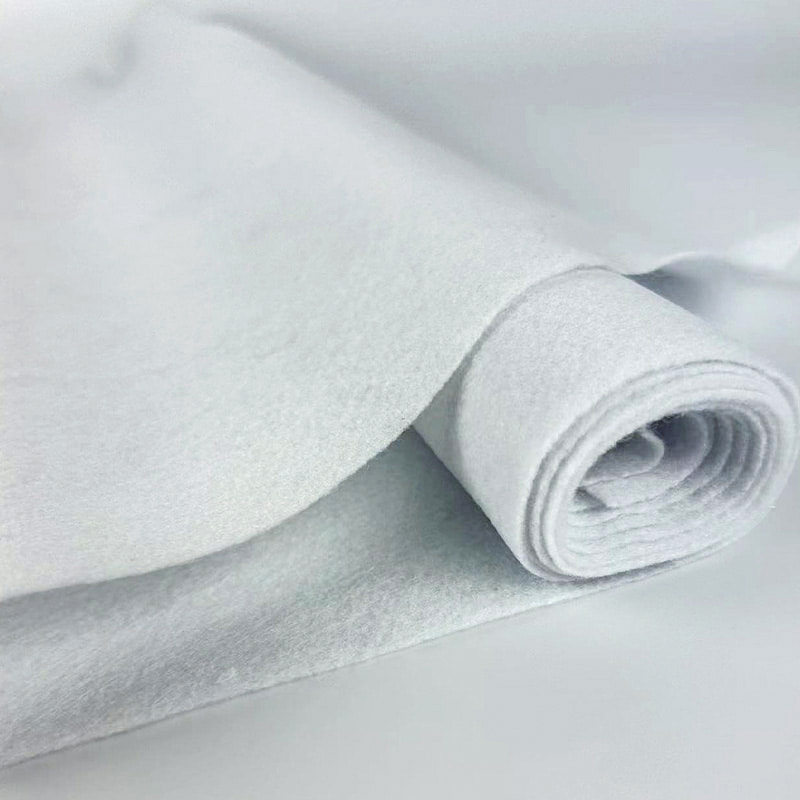
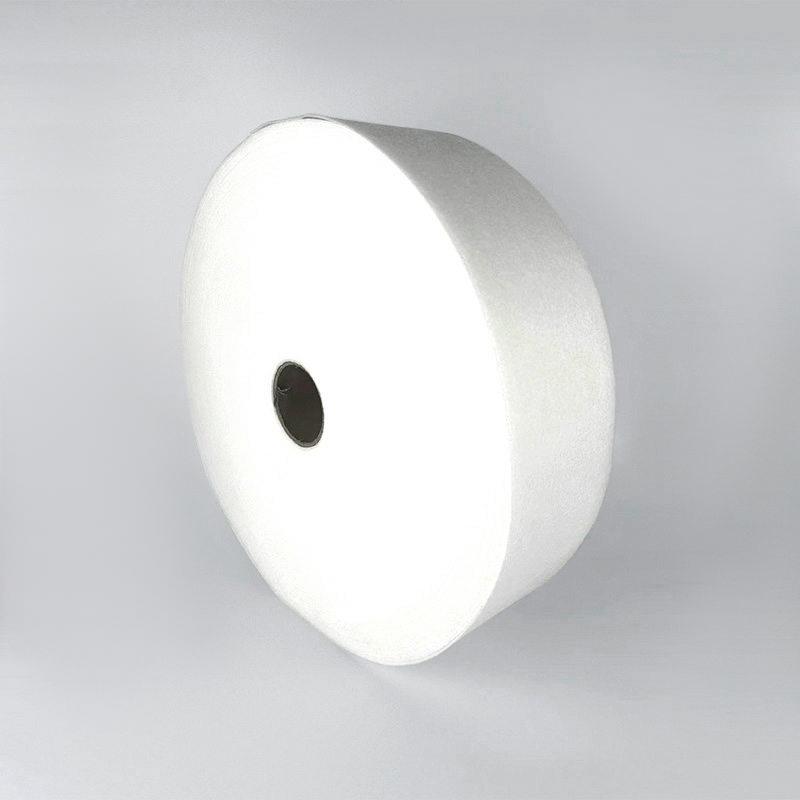
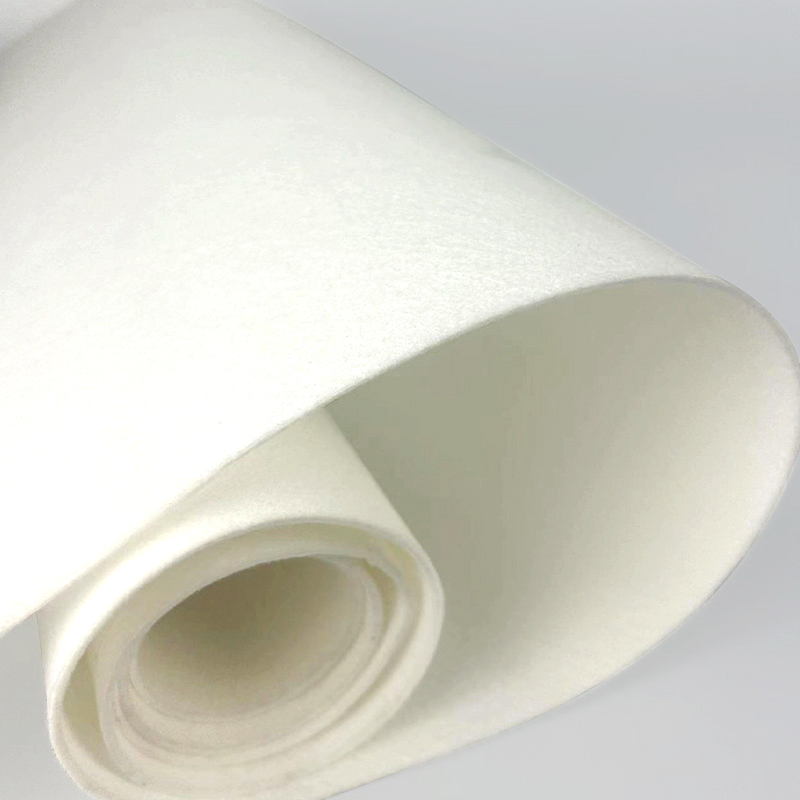
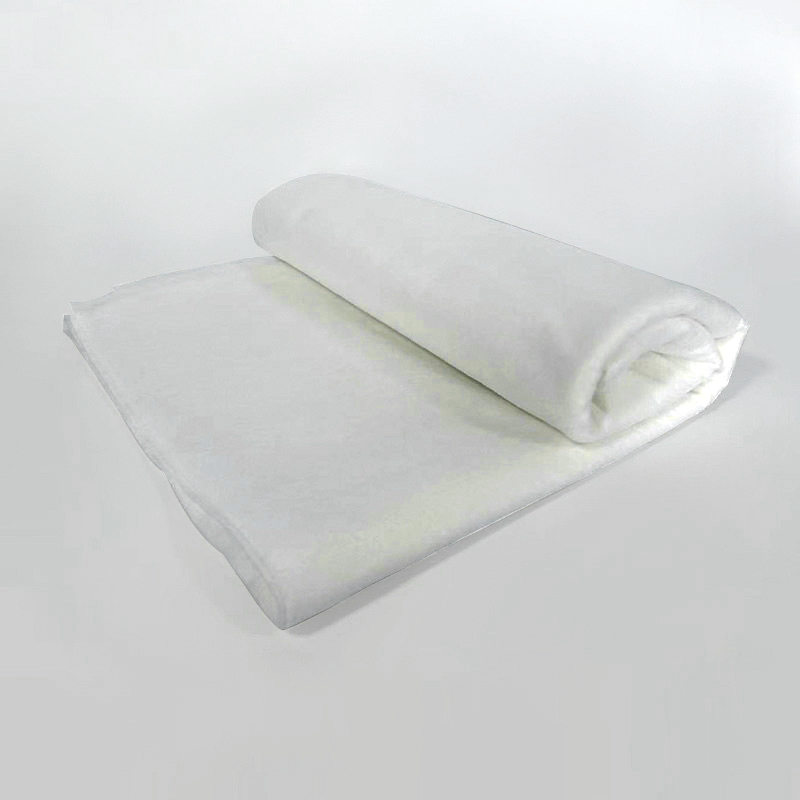
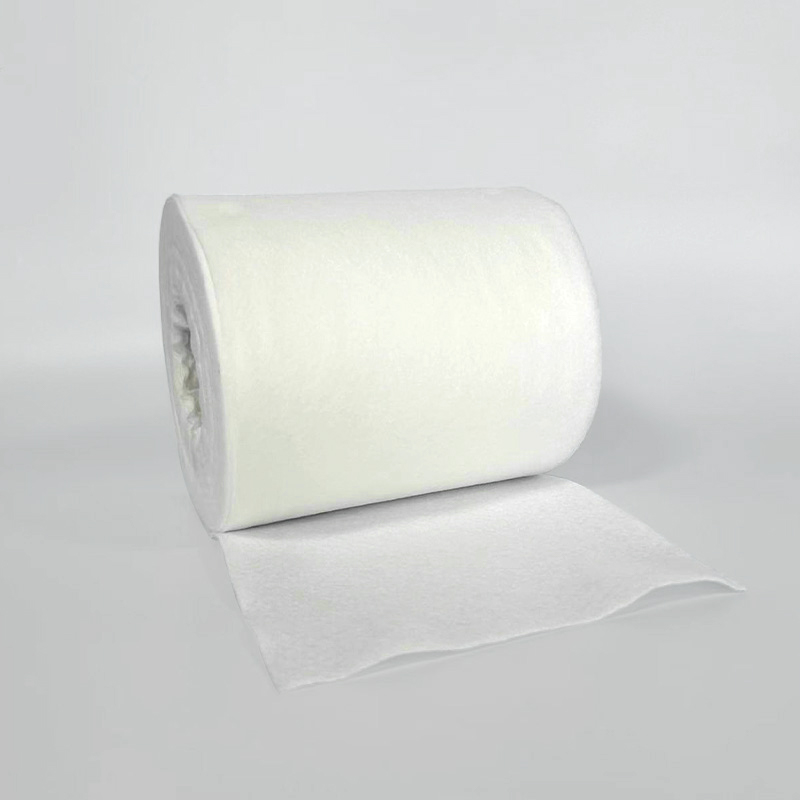
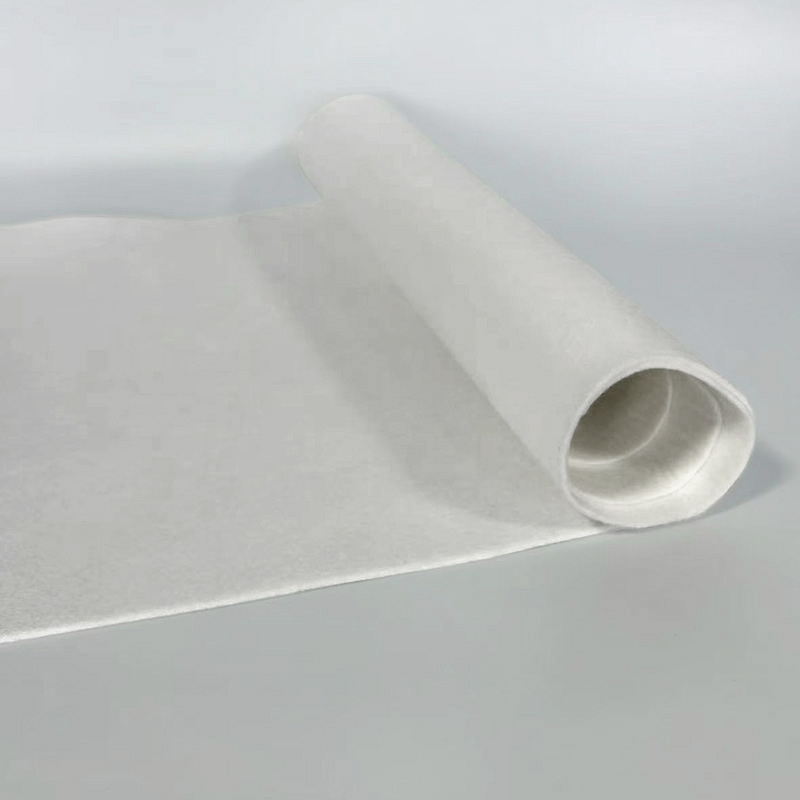
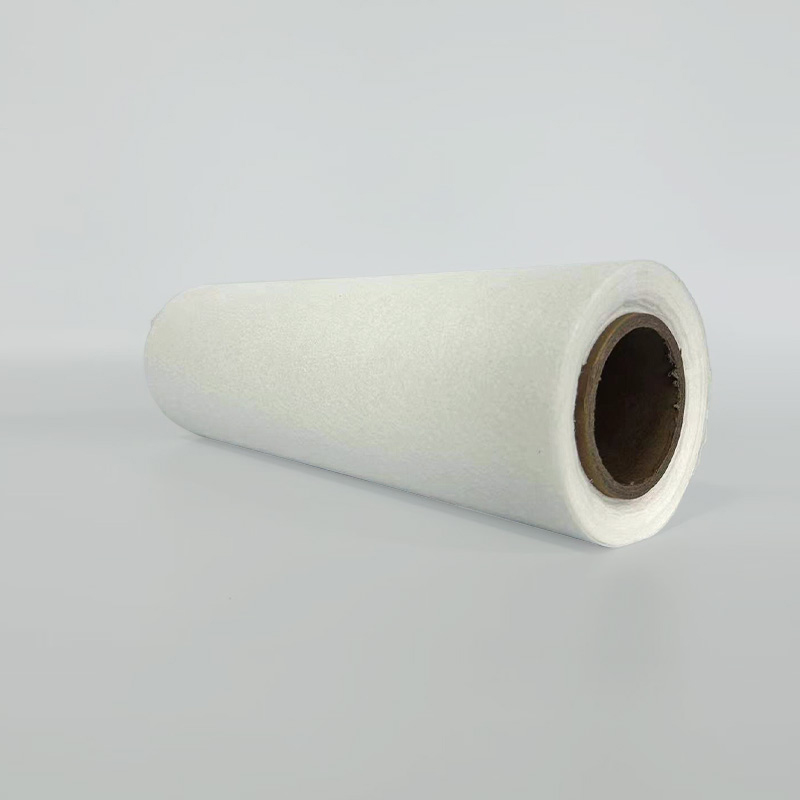
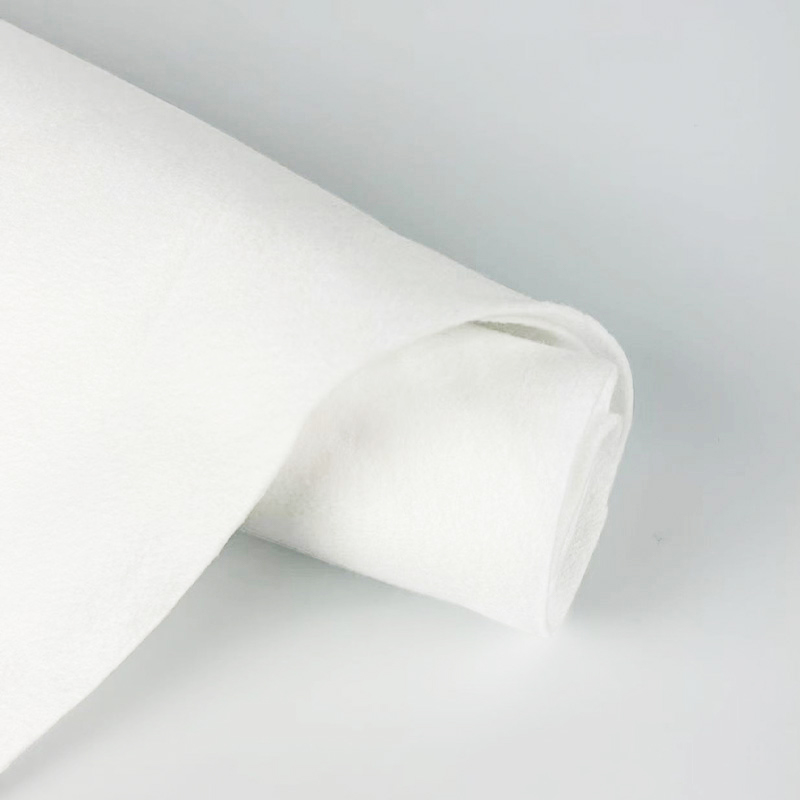
The physical structure and appearance of a medical-grade needle-punched nonwoven and a general-purpose nonwoven of the same fiber type and weight can be indistinguishable. The differences are in the upstream process controls, material inputs, and post-production testing. Medical-grade nonwoven is produced from virgin fiber with documented absence of harmful additives, under ISO 13485-certified quality management with lot traceability from raw fiber through finished fabric. It has undergone biological evaluation testing (ISO 10993), confirming the absence of cytotoxic extractables and sensitization potential. Standard commercial nonwoven of the same specifications has not been subject to these controls and tests — it may or may not meet the same biological safety criteria, but without the testing data, it cannot be assumed compliant for medical use. The medical-grade designation is fundamentally a documentation and testing status, not a different material formulation.
Yes, with important qualifications for each sterilization method. Steam sterilization (autoclaving) is compatible with polyester and cotton nonwovens but not polypropylene, which shrinks and deforms at autoclave temperatures (121–134°C). Ethylene oxide (EO) sterilization is compatible with most nonwoven fiber types but requires adequate EO penetration (the fabric must be permeable to the gas) and subsequent aeration to remove residual EO and its byproducts. Gamma radiation sterilization is compatible with polyester and polypropylene but causes degradation of natural fibers over time and may affect the mechanical properties of the fabric — particularly relevant if the sterilized product has a long shelf life. For medical device packaging applications, the sterilization compatibility of the nonwoven must be validated as part of the sterilization process validation rather than assumed from material compatibility data alone.
Ask for the ISO 13485 quality management certificate (verify it is current and covers the relevant product scope), the ISO 10993-5 cytotoxicity test report (issued by an accredited third-party laboratory, referencing the specific material), and the ISO 10993-10 sensitization test report. For EU medical device applications, ask for the material's Declaration of Conformity under applicable EU regulations and the name of the Notified Body involved if the material is itself a regulated medical device component. For US applications, ask whether the material has been included in a 510(k) or De Novo submission. If the supplier cannot provide these specific documents, their "medical grade" claim is not substantiated for regulatory purposes, regardless of the material's inherent safety profile.
Medical Non-Woven Fabrics | Needle-Punched Non-Woven Fabric | Functional Needle-Punched Fabric | Non-Woven Filter Material | Contact Us
Related Products

Enterprise tenet: service-based, quality for survival, science and technology for development
 +86-15151778356
 No. 121 Huangnilou, Yangqiao Village, Zhitang Town, Changshu City, Jiangsu Province, China
Copyright © Changshu Mingyun Hongshun Non woven Products Co., Ltd. All Rights Reserved. Custom OEM/ODM Environmental Nonwoven Fabrics Products Manufacturers


 English
 中文简体
中文简体 русский