2026-05-15
The core conclusion of selecting non-woven fabrics suppliers lies in verifying production qualification, product performance stability and long-term delivery capacity. Suppliers that meet mainstream industry standards can adapt to most industrial manufacturing, daily consumption and medical protective material matching demands, and effectively reduce procurement risk and follow-up use loss. In the whole supply chain layout, suppliers with complete production chains occupy absolute advantages, as they can control raw material quality, processing technology and finished product inspection links independently, avoiding quality fluctuation caused by multi-level outsourcing processing.
Market feedback shows that more than seventy percent of stable procurement cooperation focuses on suppliers with standardized production workshops and complete testing procedures. Unqualified suppliers often have hidden troubles such as uneven fabric thickness, poor tensile resistance and inconsistent environmental protection indicators, which will bring hidden dangers to downstream finished product processing and market sales. Purchasers should take comprehensive indicators as the selection basis instead of simply referring to quoted price, so as to realize stable and sustainable supply cooperation.
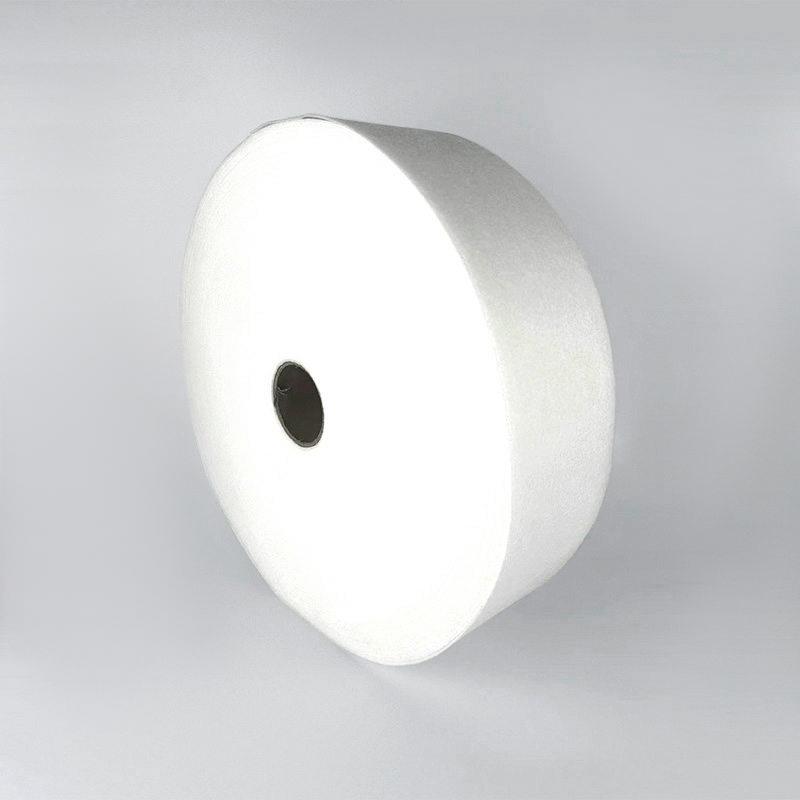
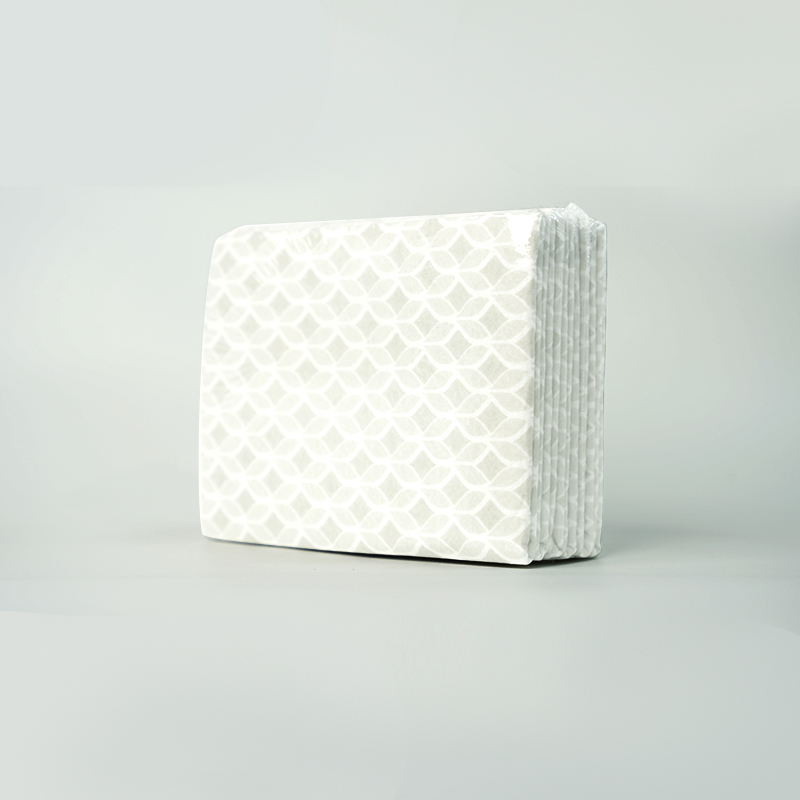
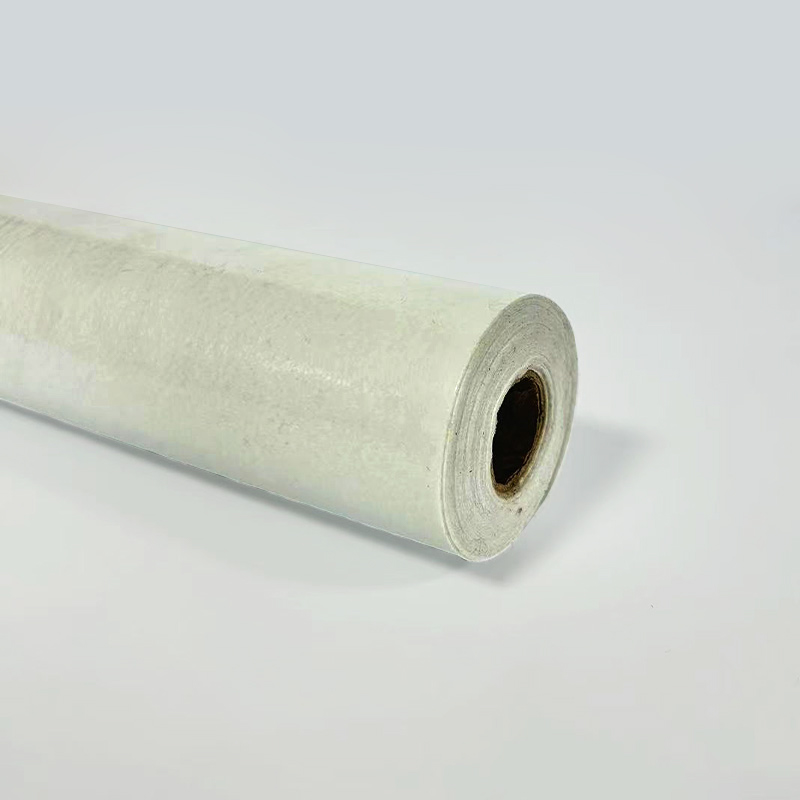
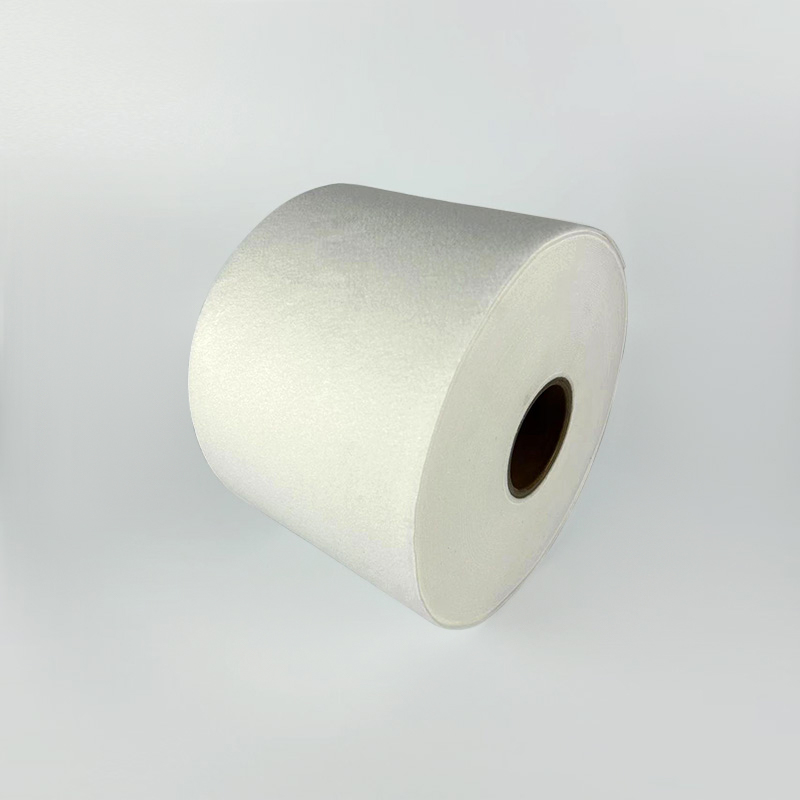
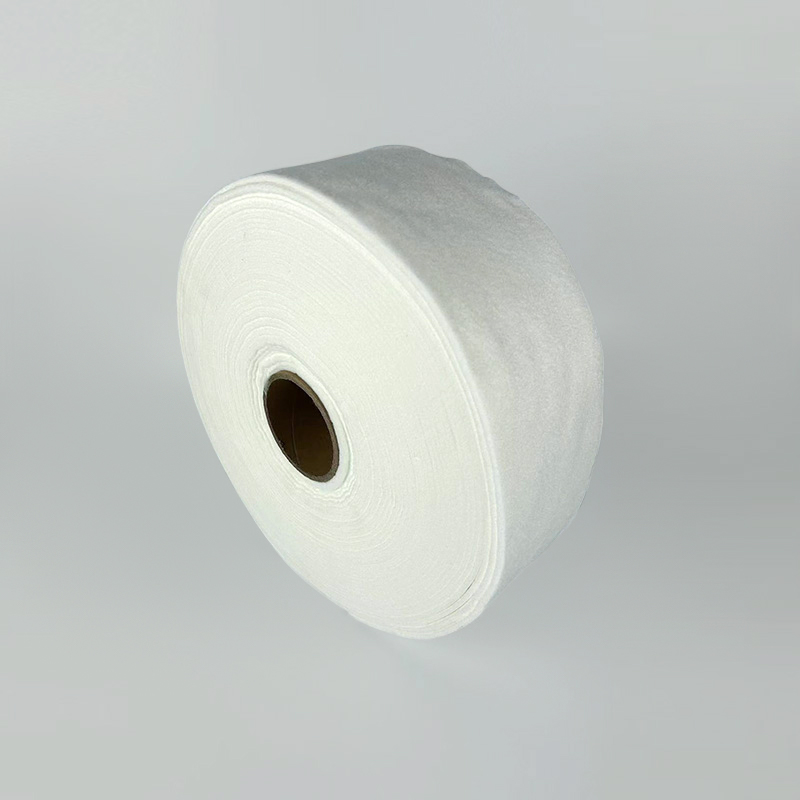
This category is the most widely supplied product type in the industry, covering multiple life scenario applications. Such fabrics feature soft texture, good air permeability and low production cost, and are deeply favored by downstream processing enterprises. Suppliers will adjust material density and surface treatment effect according to usage scenarios to meet differentiated use requirements.
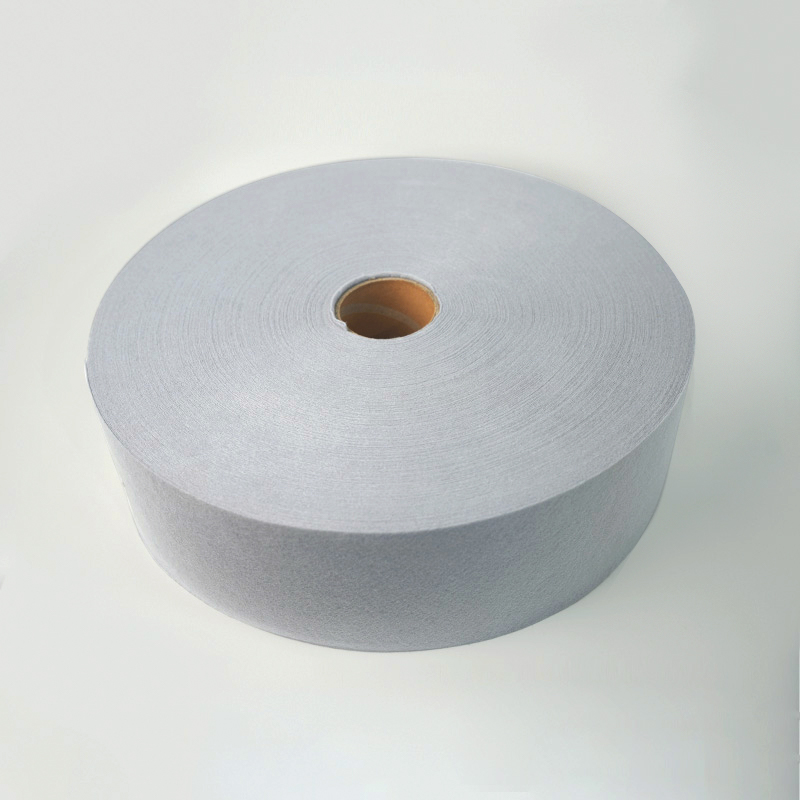
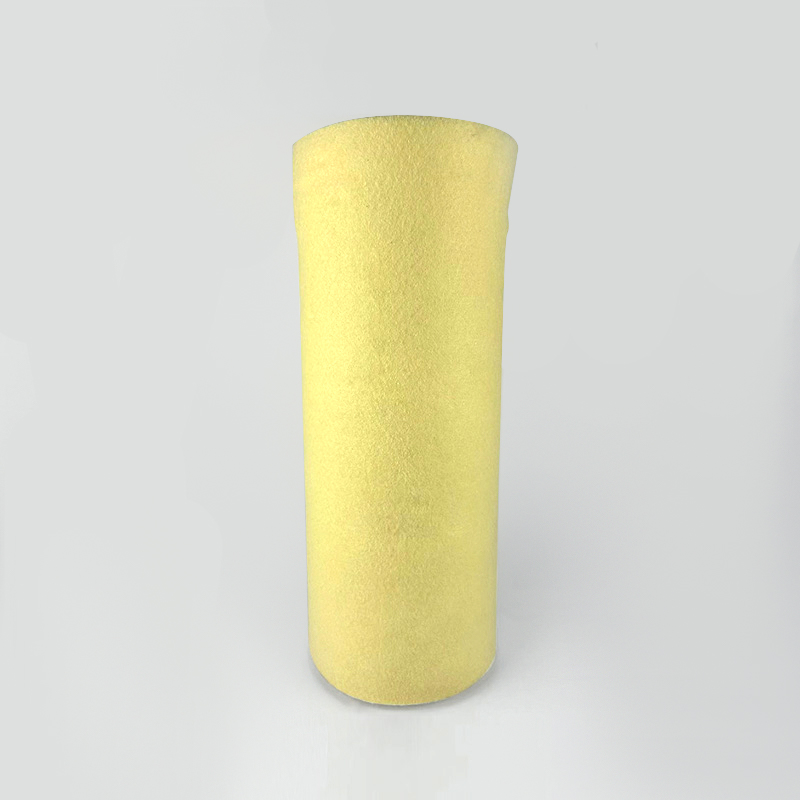
Industrial-grade non-woven fabrics put forward higher requirements on physical and chemical properties, and professional suppliers can complete customized processing according to industrial use standards. This kind of products has strong corrosion resistance, high temperature resistance and filtering performance, and serves infrastructure construction, mechanical protection and environmental filtration fields.
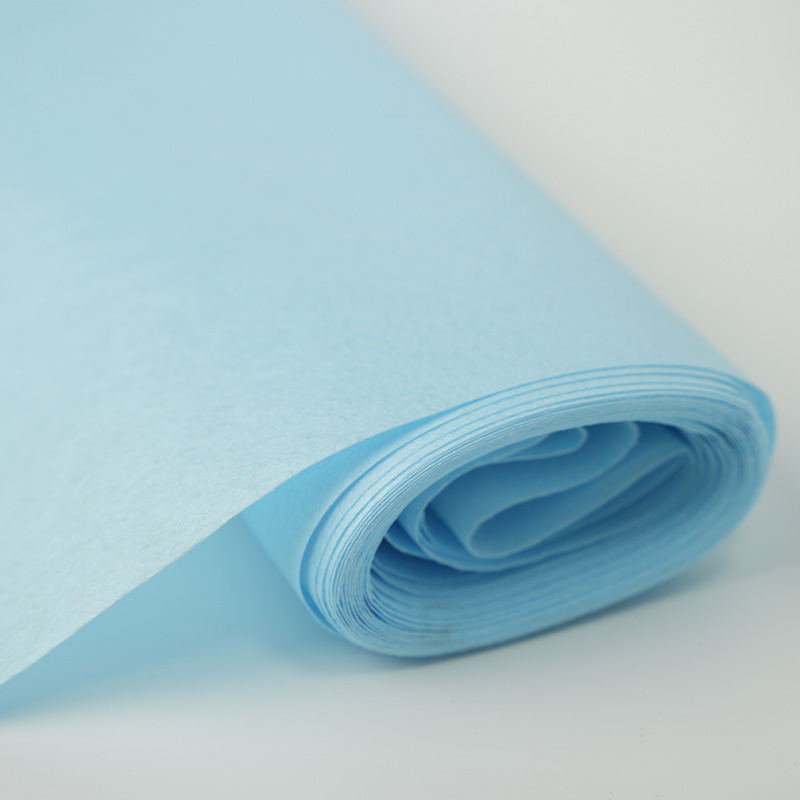
Supporters engaged in medical level supply need to hold special production certification, and product antibacterial isolation performance must reach unified industry access standard. Such non-woven fabrics are widely made into protective isolation supplies, and qualified suppliers can guarantee batch product qualification rate and sterile production environment.
| Product Type | Core Advantage | Main Application Field |
|---|---|---|
| Daily Non-woven Fabric | Cost-effective, soft touch | Daily necessities processing |
| Industrial Non-woven Fabric | Strong durability, stable performance | Filtration and engineering protection |
| Medical Non-woven Fabric | Antibacterial and isolated safe | Medical isolation protection |
Production scale directly determines the supplier's order bearing capacity and delivery speed. Large-scale suppliers are equipped with advanced spinning and hot rolling forming equipment, which can finish large batch orders within the agreed cycle. Small-scale processing workshops are limited by equipment quantity and production efficiency, and it is easy to delay delivery when facing sudden large orders. Suppliers with complete automatic production lines can effectively control product consistency and reduce defective product proportion in mass production.
High-quality non-woven fabrics rely on high-quality polymer raw materials, and formal suppliers will select raw materials that conform to national and international environmental protection norms. Raw materials with poor quality will lead to peculiar smell, easy aging and unqualified harmful substance precipitation of finished fabrics, which cannot pass market quality inspection. In recent years, the environmental protection threshold of the industry keeps rising, and suppliers who cannot keep up with standard upgrading will gradually lose market cooperation opportunities.
In actual procurement cooperation, personalized customization demand is very common. Excellent suppliers can adjust fabric thickness, width, color and functional coating treatment according to buyer's drawing and sample requirements. Meanwhile, perfect after-sales service can solve quality objection, product replacement and technical consultation problems in a timely manner, lowering the communication cost of both sides in cooperation.
Buyers can adopt layered screening mode to filter suitable suppliers from numerous market resources. First of all, conduct preliminary screening through basic qualification verification, eliminate manufacturers without legal production qualifications and incomplete certification documents. Then carry out sample quality inspection, test the tensile strength, waterproof performance and air permeability of non-woven fabric samples, and eliminate products with substandard basic performance.
Field factory inspection is an indispensable screening link for long-term cooperative procurement. By visiting production workshops, raw material storage area and finished product testing room, purchasers can intuitively know the actual production management level of suppliers. Suppliers with standardized management have clean production environment and strict personnel operation norms, which lay a solid foundation for stable product quality. Nearly sixty percent of long-term stable cooperative relations are established on the basis of on-site factory assessment and actual sample verification.
It is also necessary to refer to historical cooperation reputation and market evaluation. Suppliers with good word-of-mouth have fewer disputes in delivery time, product quality and price settlement. Avoid choosing suppliers with frequent bad reviews on delayed delivery and shoddy goods, so as to prevent unnecessary economic losses and project progress delays. For long-term bulk procurement, buyers can sign standardized cooperation contracts to clarify the rights, obligations and quality assurance clauses of both parties, and bind the supply behavior of suppliers.
Driven by the growth of downstream demand, the non-woven fabric industry keeps expanding the overall supply scale, and suppliers are constantly optimizing product structure to adapt to market changes. The demand for functional non-woven fabrics is growing year by year, and ordinary single-performance products gradually cannot meet the diversified use demands of downstream industries. More suppliers begin to focus on researching and developing composite non-woven materials with waterproof, oil-proof, antibacterial and high-strength properties, upgrading product added value.
Regional supply layout presents obvious agglomeration characteristics, and production and supply bases with complete industrial supporting facilities form scale effect. Suppliers in agglomeration areas can realize convenient matching of raw materials, accessory processing and product transportation, effectively control comprehensive production cost and improve supply competitiveness. At the same time, with the continuous improvement of international trade circulation, many qualified suppliers expand external supply channels, and the market competition and cooperation scope become increasingly extensive.
Intelligent production will become the main upgrading direction of future non-woven fabrics suppliers. Intelligent equipment can realize automatic monitoring of production links, real-time feedback of product quality data, and greatly reduce manual detection errors. Suppliers that take the lead in completing intelligent transformation will gain advantages in product quality stability and order delivery efficiency, and occupy more market share in fierce supply competition. Meanwhile, green and low-carbon production will become the basic development threshold of the industry, and suppliers failing to meet energy-saving and emission-reduction standards will face market elimination.

Enterprise tenet: service-based, quality for survival, science and technology for development
 +86-15151778356
 No. 121 Huangnilou, Yangqiao Village, Zhitang Town, Changshu City, Jiangsu Province, China
Copyright © Changshu Mingyun Hongshun Non woven Products Co., Ltd. All Rights Reserved. Custom OEM/ODM Environmental Nonwoven Fabrics Products Manufacturers


 English
 中文简体
中文简体 русский