2026-02-22
When selecting Polypropylene Nonwoven Fabrics for medical or hygiene applications, making the right choice can directly impact the quality and safety of the final products. Whether you’re designing face masks, surgical gowns, diapers, or wipes, understanding the specific requirements of these applications is key to making the best selection. In this article, we will explore the essential factors to consider when choosing the right material, focusing on technical details, industry standards, and key features that matter in both the medical and hygiene sectors.
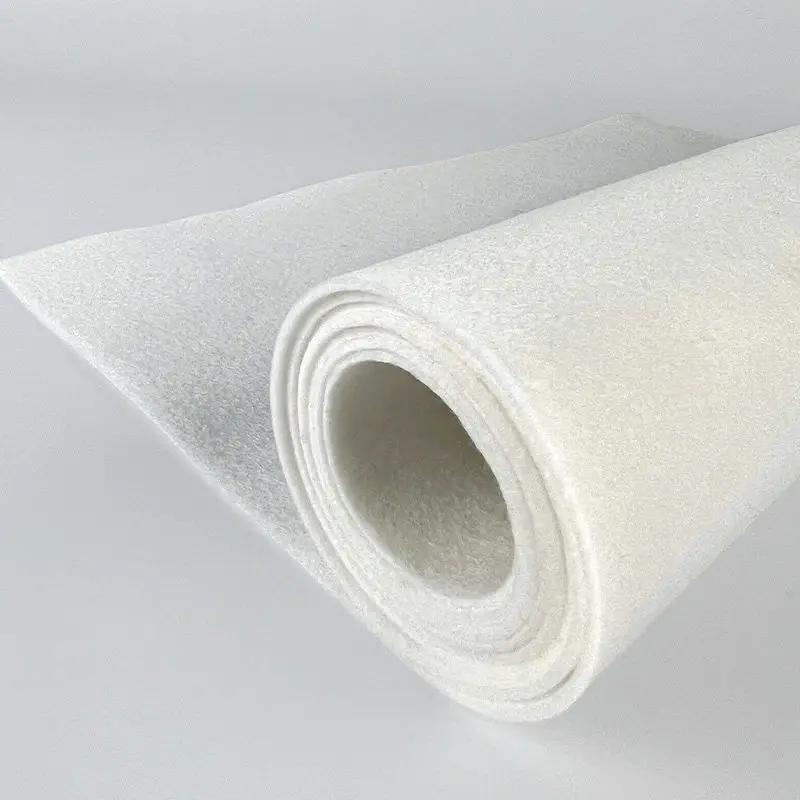
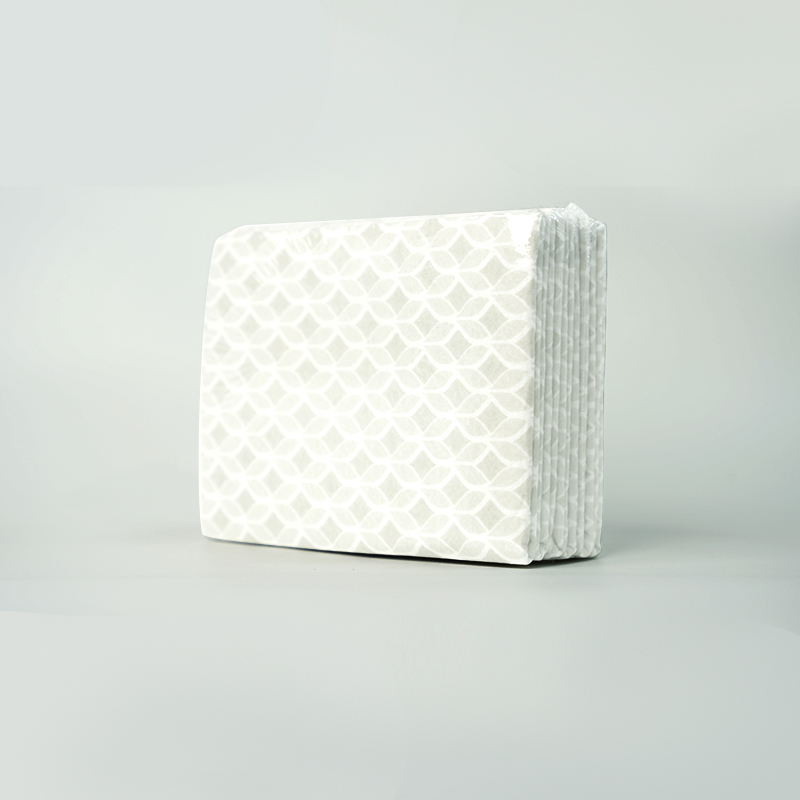
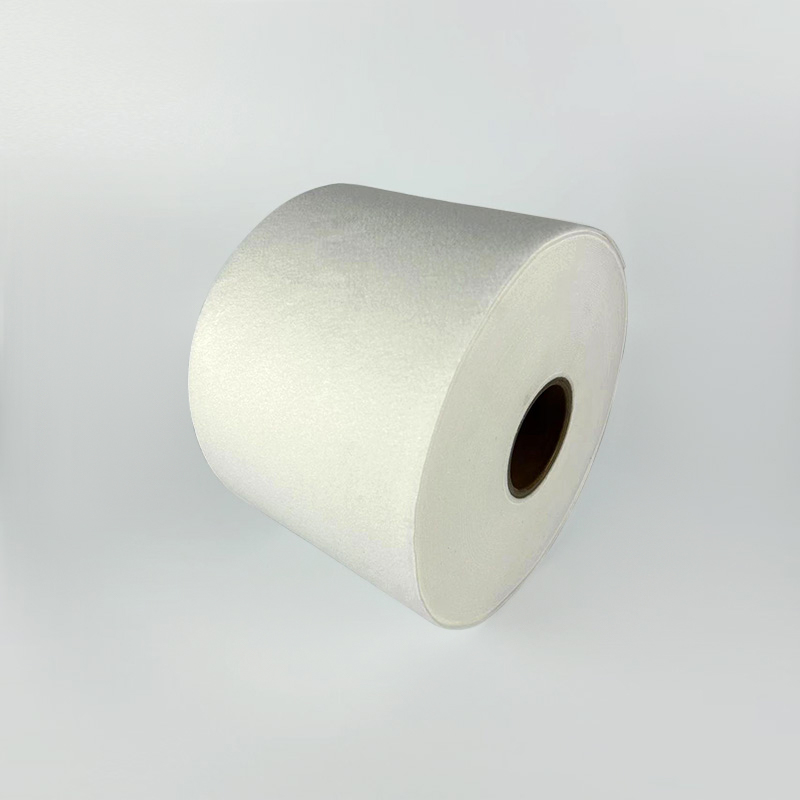
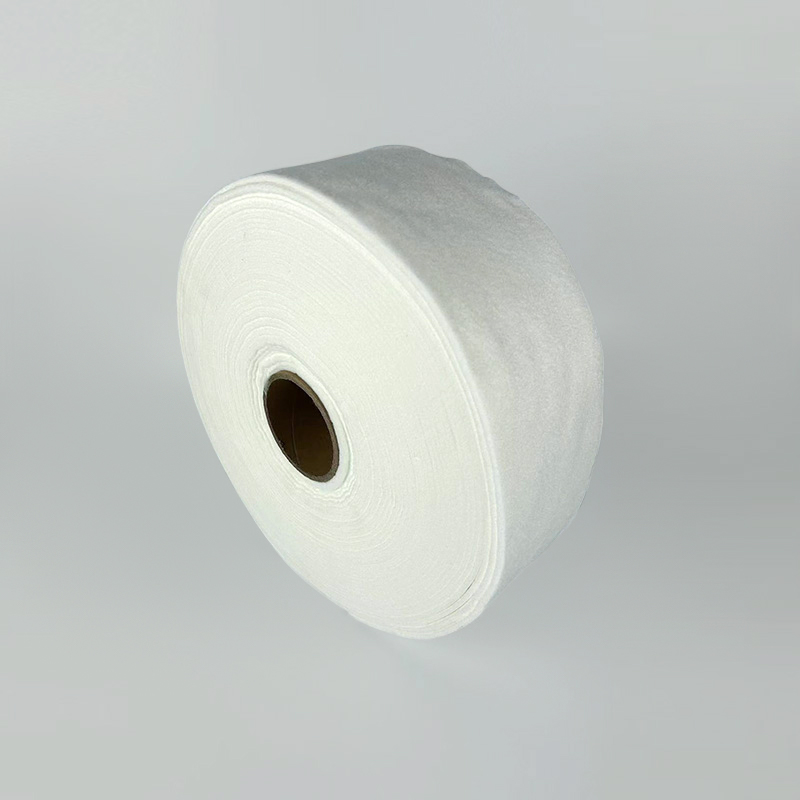
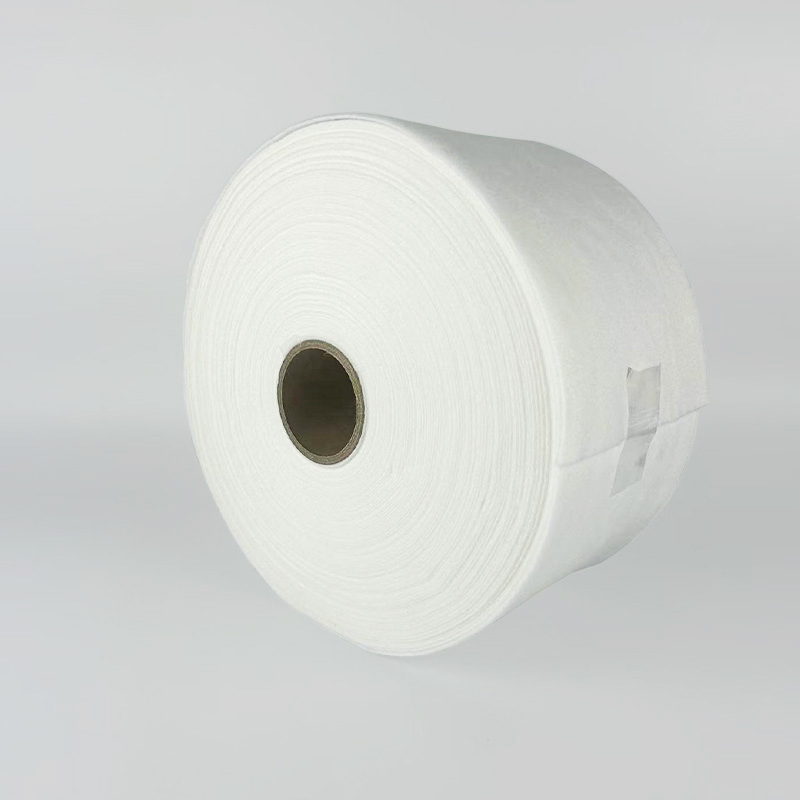
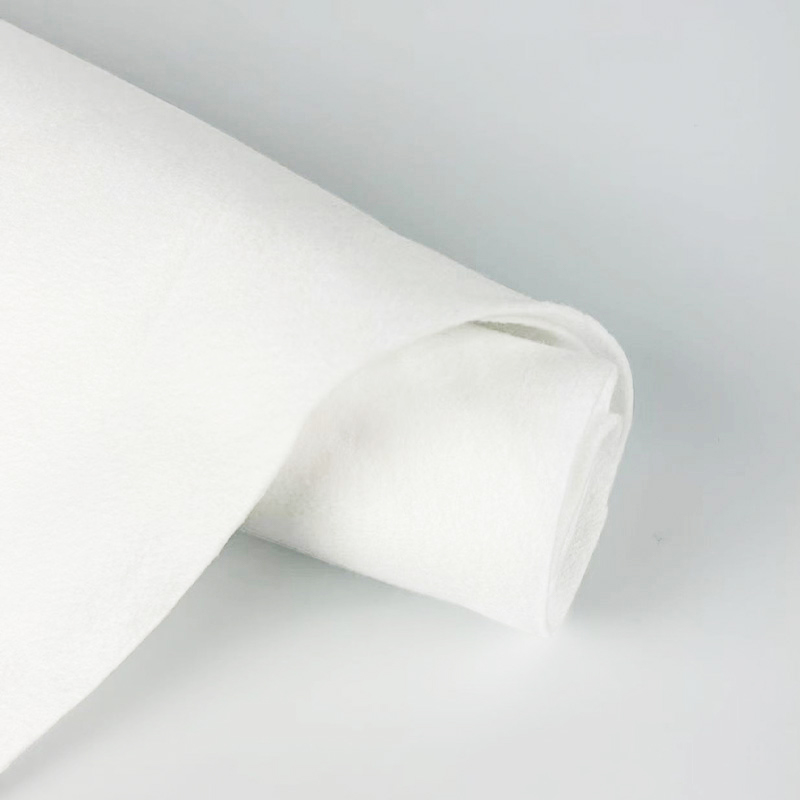
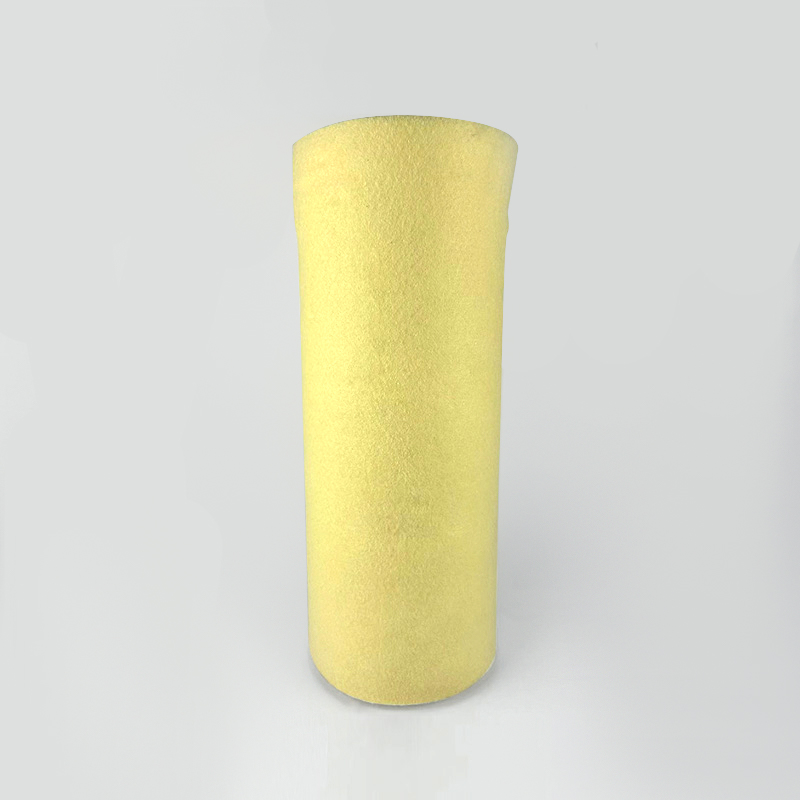
Polypropylene Nonwoven Fabrics are a category of nonwoven textiles made from polypropylene polymer fibers. These fabrics are highly versatile and are used across various industries due to their strength, light weight, and cost-effectiveness. In the medical and hygiene industries, these fabrics are used in products like surgical drapes, face masks, diapers, wipes, and more. Their nonwoven nature allows for ease of production, high-performance functionality, and comfort, making them ideal for critical applications that demand reliability and safety.
The first step in selecting the right fabric is understanding the specific needs of your application. Whether it’s a medical device or a hygiene product, each type of fabric needs to fulfill different roles:
The structure of Polypropylene Nonwoven Fabrics plays a significant role in determining their strength, absorbency, and overall performance. There are different manufacturing techniques, including spunbond, meltblown, and carded methods, each offering unique characteristics:
| Manufacturing Process | Characteristics |
| Spunbond | Durable, breathable, and cost-effective. Commonly used for surgical gowns and diapers. |
| Meltblown | Highly absorbent with fine fiber density. Ideal for filtration applications and masks. |
| Carded | Soft and pliable, typically used for hygiene products like wet wipes and sanitary pads. |
Understanding these differences helps in selecting the right fabric for your application. For example, if you require an ultra-soft material for baby diapers, a carded fabric might be the best choice. On the other hand, meltblown fabrics offer superior filtration properties for medical masks.
For both medical and hygiene products, ensuring the fabric meets safety and hygiene standards is non-negotiable. Products such as medical gowns, masks, and hygiene products must be non-toxic, hypoallergenic, and ideally free from any harmful substances. Compliance with regulatory standards, such as FDA or EN certifications, ensures that the fabric is safe for use in sensitive applications.
Performance attributes such as breathability, durability, and comfort are especially important when selecting Polypropylene Nonwoven Fabrics for medical and hygiene applications. Here’s a breakdown of what to look for:
The table below highlights how different properties can affect the selection of fabrics for each application:
| Property | Medical Applications | Hygiene Applications |
| Breathability | High (for face masks and gowns) | Medium (for diapers and wipes) |
| Durability | High (for surgical drapes) | Low to Medium (for disposable hygiene products) |
| Comfort | Medium (comfort for longer use) | High (soft and gentle on skin) |
As sustainability becomes more critical in the textile industry, Eco-friendly Polypropylene Nonwoven Fabrics are gaining popularity. These fabrics are often made from recyclable materials and can be produced with reduced environmental impact. Many manufacturers are now adopting practices that use less energy and water during production, offering an environmentally responsible alternative.
For products where environmental considerations are a priority, looking for eco-friendly certifications or practices is essential. Fabrics that are biodegradable or made from recycled polypropylene can help reduce the overall carbon footprint of medical and hygiene products.
Spunbond fabrics are durable and breathable, commonly used for surgical gowns and diapers, while meltblown fabrics are more absorbent and have fine fibers, making them ideal for filtration applications like medical masks.
Yes, Polypropylene Nonwoven Fabrics are highly versatile and can be used across both medical and hygiene industries, provided they meet the specific requirements for each application.
Ensure the fabric complies with relevant medical safety standards, such as FDA regulations and ISO certifications for sterility and non-toxicity.
Yes, eco-friendly options are available, including fabrics made from recycled materials or biodegradable polypropylene, offering more sustainable alternatives for both medical and hygiene products.
The softness, absorbency, and comfort of Polypropylene Nonwoven Fabrics make them ideal for hygiene products like diapers and wipes, where these characteristics are essential for user comfort and product effectiveness.

Enterprise tenet: service-based, quality for survival, science and technology for development
 +86-15151778356
 No. 121 Huangnilou, Yangqiao Village, Zhitang Town, Changshu City, Jiangsu Province, China
Copyright © Changshu Mingyun Hongshun Non woven Products Co., Ltd. All Rights Reserved. Custom OEM/ODM Environmental Nonwoven Fabrics Products Manufacturers


 English
 中文简体
中文简体 русский